


 Ban & Monetization Policy
 MyLiveRoom Rewards Program Rules & Eligibility
Siding Replacement London Ontario: Expert Guide to Materials, Costs, and Installation
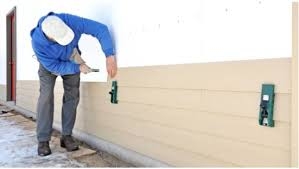
Thinking about Siding Replacement London Ontario means balancing curb appeal, durability, and weather protection for your home. Choosing the right siding for Ontario’s climate can improve both energy efficiency and long-term value. Popular options like vinyl siding and fiber cement siding (such as James Hardie) provide excellent durability, low maintenance, and resistance to harsh weather conditions. Professional installation is equally important, ensuring proper ventilation, secure fastening, and watertight seams that help protect your home for years to come.
You’ll learn which materials suit local conditions, what design options impact resale value, and practical steps to plan the project with trusted local contractors. This article walks through material pros and cons, design choices, and London-specific considerations so you can make a confident, cost-effective decision for your home.
Popular Materials and Design Choices
Choose materials that balance cost, durability, maintenance, and the look you want for your London, Ontario home. Consider how each option performs in cold winters, resists moisture, and affects energy efficiency and curb appeal.
Vinyl Siding Options
Vinyl offers low upfront cost and many styles, from traditional clapboard to board-and-batten and shake textures. You can pick insulated panels to improve R-value and reduce thermal bridging; look for products with fused foam backing for better performance in Ontario winters.
Installation is fast and widely available from local contractors, which lowers labour expense. Expect color retention to vary—choose fade-resistant finishes and consider darker tones only where heat buildup won't be an issue. Maintenance is minimal: annual washing and occasional re-caulking at trim typically suffice.
When evaluating vinyl, check warranty terms, wind- and impact-resistance ratings, and whether the product includes built-in ventilation channels to prevent moisture trapping against your house wrap.
Fiber Cement Benefits
Fiber cement combines cement, sand, and cellulose fibers for a robust, fire-resistant siding with a high-quality appearance. It resists rot, insects, and extreme temperature swings—advantages for London’s freeze-thaw cycles—while mimicking wood grain with less upkeep.
Painted finishes last longer than for wood; you’ll still need periodic repainting (typically every 10–15 years) based on exposure. Installation requires skilled labour and power tools, and the material’s weight raises labour costs relative to vinyl. Factor that into your budget when comparing lifecycle costs.
Look for manufacturer treatments that improve moisture resistance and for trim and flashing details that prevent water intrusion at joints, window openings, and eaves. Confirm local contractor experience with fiber cement to avoid installation mistakes that can compromise durability.
Metal Siding Innovations
Metal siding—primarily aluminum and steel—now comes in insulated panels, standing seam profiles, and textured finishes that resist denting and fading. Modern coatings, such as PVDF and siliconized polyester, boost corrosion and color-retention performance suited to humid, variable Ontario weather.
Metal delivers a long service life and strong wind resistance; insulated metal panels can improve thermal performance and reduce condensation risk when installed with proper vapor control. Expect higher material cost but lower maintenance than wood; occasional inspections for scratches and fastener integrity are recommended.
Match fasteners, flashing, and trim to the metal type to avoid galvanic corrosion. If you want a contemporary or industrial look, choose standing-seam profiles; for a traditional appearance, select horizontal panels with wood-like embossing.
Local Considerations for London, Ontario
London’s climate, local building practices, and neighborhood rules affect which siding performs best and what permits or design choices you’ll need. Focus on material durability for freeze-thaw cycles, moisture management, and any municipal or heritage constraints that apply to your street.
Climate Impact on Siding Selection
London sees cold, wet winters and humid summers, so pick siding that resists moisture, thermal movement, and freeze-thaw damage. Fibre cement (e.g., James Hardie), high-quality vinyl with proper ventilation, and metal siding handle moisture and temperature swings better than untreated wood.
Insulation and air/vapor control matter. Add continuous exterior insulation or a rainscreen gap to reduce thermal bridging and allow drainage behind cladding. Flashing, sealed joints, and proper window/door integration prevent water intrusion in heavy rains and melt events.
Wind and hail are occasional concerns. Choose impact-resistant products or reinforced profiles on exposed lots. Confirm manufacturer warranties cover local conditions and require certified installers; installation quality often affects longevity more than the material itself.
Neighborhood Aesthetics and Bylaws
Your choice must fit local zoning, heritage rules, and any homeowner association (HOA) standards in London neighborhoods. Older districts like Wortley Village or downtown conservation areas may restrict colours, textures, or replacement materials to maintain historic character. Contact London’s building services or heritage planner before buying materials.
Municipal permits are usually required for full exterior cladding replacement. Prepare a simple checklist: property address, contractor license, product specifications, and drawings showing changes. If your street has an HOA, get written approval for visible changes such as new siding colour, trim style, or added architectural details to avoid enforced rework or fines.
 Italiano
 English
 Arabic
 French
 Spanish
 Portuguese
 Deutsch
 Turkish
 Dutch
Dutch
 Russian
 Romaian
 Portuguese (Brazil)
 Greek
Greek
