


 Ban & Monetization Policy
 MyLiveRoom Rewards Program Rules & Eligibility
Rose Gold vs. Yellow Gold Filled: Which Is Right for Your Jewelry Collection?
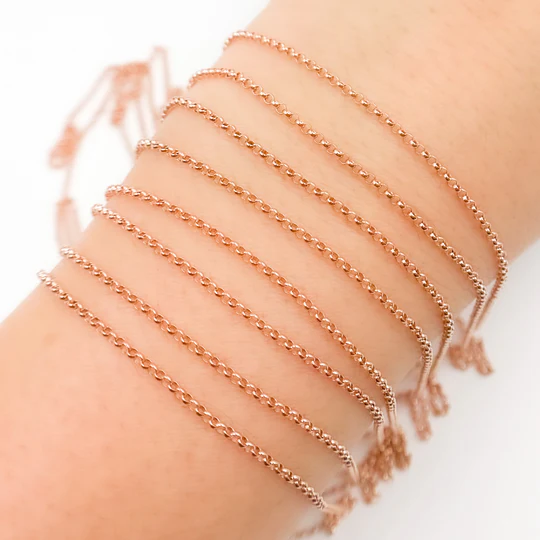
Rose Gold vs. Yellow Gold Filled: Which Is Right for Your Jewelry Collection?
Gold filled jewelry has become a cornerstone of the fine and fashion jewelry market - and within that category, two tones consistently dominate buyer attention and designer preference: 14K rose gold filled jewelry and yellow gold filled chains. Both offer the durability and genuine gold content that gold filled construction provides, but they create entirely different visual experiences and appeal to distinct customer segments.
Whether you are building a jewelry line, stocking a retail display, or choosing pieces for your own collection, understanding what separates these two gold tones - in composition, styling, market appeal, and commercial performance - will help you make smarter, more confident decisions.
This guide covers both categories in depth, along with practical guidance on how to work with each effectively.
What Makes Gold Filled Different from Other Gold Options
Before exploring the differences between rose and yellow tones, it is worth grounding the conversation in what gold filled actually means and why it matters.
Gold filled jewelry is constructed by pressure-bonding a thick layer of real karat gold - typically 14K - to a base metal core, usually brass. U.S. standards require the gold layer to constitute at least 1/20th (5%) of the total weight of the finished piece. This is dramatically more gold than gold plated jewelry, which carries only a trace electroplated layer that wears off within months.
The practical result is jewelry that looks, feels, and performs much closer to solid gold at a fraction of the cost. Gold filled pieces resist tarnishing, do not turn skin green under normal conditions, maintain their surface finish through daily exposure to sweat, moisture, and handling, and can last for years or even decades with basic care.
The color of a gold filled piece - whether rose or yellow - comes from the gold alloy used in that surface layer. The alloy composition determines both the color and the tone, and the difference between rose and yellow is more than just aesthetic.
Understanding 14K Rose Gold Filled Jewelry
14K rose gold filled jewelry gets its distinctive warm pink tone from the copper content in the gold alloy. In a 14K rose gold alloy, the 58.3% gold is mixed with a higher proportion of copper than is typical in yellow gold, with minimal or no silver in the mix. Copper creates a reddish-warm tone, and when combined with gold, produces the signature blush-to-pink color that has made rose gold one of the most commercially successful metal tones of the past decade.
The specific shade of 14K rose gold filled pieces can vary slightly by supplier depending on the exact copper ratio in the alloy - some lean warmer and more coral, others are softer and more champagne-pink. This variation is natural and is part of what gives rose gold its organic, warm character.
Why Rose Gold Has Such Strong Market Appeal
The popularity of rose gold in jewelry is not a coincidence. Several factors converge to make 14K rose gold filled jewelry a consistent bestseller:
Universally Flattering - Rose gold's warm, blush tone complements a wide range of skin tones, from fair to deep. Unlike bright yellow gold, which can feel bold or formal, rose gold has a softness that reads as both modern and romantic.
Photography Beautifully - In the age of social media-driven jewelry sales, how a piece photographs matters enormously. Rose gold has a warmth and subtlety that translates well to both studio photography and natural light, making it a favorite for brands that rely on Instagram and Pinterest for marketing.
Cross-Gender Appeal - Rose gold has successfully crossed traditional gender boundaries in jewelry. It is as readily accepted in men's minimalist jewelry as it is in women's fine and fashion categories, broadening its commercial reach significantly.
Pairs Well with Other Metals - 14K rose gold filled pieces layer naturally with yellow gold and silver, making them excellent components for mixed-metal layering looks that have dominated jewelry trends in recent years.
Romantic and Occasion-Driven - Rose gold has strong associations with romance, femininity, and celebration. Valentine's Day, Mother's Day, anniversaries, and bridal-adjacent occasions are all strong sales periods for rose gold jewelry.
Where Rose Gold Filled Excels in Design
14K rose gold filled jewelry works particularly well in the following design contexts:
Delicate chain necklaces where the subtle warmth of the metal is the primary aesthetic. Thin cable or paperclip chains in rose gold have an elegant simplicity that sells well at accessible price points.
Layering sets - pairing two or three 14K rose gold filled chains of different lengths and styles creates the curated, effortless layered look that consistently drives engagement on visual platforms.
Gemstone pairings - rose gold complements blush and neutral-toned stones exceptionally well. Morganite, rose quartz, pink opal, moonstone, and strawberry quartz all take on a softer, more romantic character against 14K rose gold filled metal.
Findings and components - rose gold filled clasps, ear wires, jump rings, and headpins are essential for designers who want consistency across all elements of a finished piece. Mixing warm rose gold chains with standard yellow gold findings creates a jarring visual inconsistency that clients notice.
Understanding Yellow Gold Filled Chains
Yellow gold filled chains represent the classic, timeless side of gold filled jewelry. The yellow gold alloy used in these pieces combines 58.3% pure gold with silver, copper, and zinc in a ratio that produces the warm, familiar yellow tone most people associate with gold.
Yellow gold filled chains have been the industry standard for decades. They are the reference point against which other gold tones are often compared, and their classic status means they never go fully out of fashion regardless of trend cycles.
The Enduring Appeal of Yellow Gold
Yellow gold filled chains carry a cultural weight and recognition that newer metal tones cannot replicate. When most people picture a gold chain, they picture yellow gold. This immediate recognition has real commercial value - yellow gold reads as "jewelry" in a way that requires no explanation or trend context.
Classic and Versatile - A well-made yellow gold filled chain works with casual daywear, professional attire, and formal occasions. Its versatility makes it a reliable everyday piece and an easy gift choice.
High Demand Across Demographics - Yellow gold has strong appeal across generational lines. Baby Boomers and Gen X buyers associate yellow gold with quality and tradition. Millennials and Gen Z have rediscovered and embraced yellow gold as a reaction against the cooler, more minimal silver aesthetic that dominated the 2010s.
Pairs with Warm-Toned Stones - Yellow gold filled chains are the natural companion for stones with warm color profiles. Citrine, hessonite garnet, golden rutile, carnelian, amber, and yellow topaz all look richest and most intentional against yellow gold metal.
Layering Anchor - In mixed-metal layering looks, yellow gold filled chains often serve as the anchor piece because their warm, prominent tone provides grounding for more delicate rose gold or silver layers.
Popular Yellow Gold Filled Chain Styles
The range of yellow gold filled chains available to jewelry makers and retailers is extensive. Some of the most commercially significant styles include:
Cable Chains - Classic interlocking oval links. The most foundational style in the category, available in widths from under 1mm to 4mm+. Delicate cable chains in yellow gold filled are perennial bestsellers for both retail display and permanent jewelry applications.
Paperclip Chains - Elongated rectangular links with a modern, editorial look. Paperclip yellow gold filled chains became trend-defining in recent years and remain strong sellers across multiple markets.
Rope Chains - Twisted spiral links that catch light with a richness that suits the warm yellow tone particularly well. Rope chains in yellow gold have a luxurious, heirloom feel that justifies premium retail pricing.
Figaro Chains - Alternating long and short links. A classic Italian chain pattern that has moved in and out of trend cycles repeatedly over decades without ever fully disappearing from market demand.
Curb Chains - Flattened twisted links. Bold curb chains in yellow gold filled have surged in popularity alongside the broader streetwear-influenced jewelry trend that has made oversized chains a mainstream accessory choice.
Satellite Chains - Delicate cable chains with small round bead stations at regular intervals. Satellite chains in yellow gold have a feminine, refined quality that works well in minimalist bridal and everyday fine jewelry categories.
Rose Gold vs. Yellow Gold Filled: Choosing for Your Collection
If you are building a jewelry line or stocking a retail display, the choice between 14K rose gold filled jewelry and yellow gold filled chains does not have to be either/or. Most successful jewelry businesses carry both, because they serve different client preferences and different occasions.
A practical approach to building a balanced gold filled inventory:
Start with yellow gold in classic styles - cable, paperclip, and figaro chains in two or three widths cover the majority of everyday demand. Add rose gold in the same core styles to capture clients who specifically prefer the warmer, softer tone. Introduce specialty styles (rope, curb, satellite) in the tone that best fits your brand's aesthetic direction. Ensure your findings - clasps, ear wires, jump rings - match the chain metal tones you are selling, as mixed-metal inconsistency in a finished piece undermines the perception of quality.
Caring for Gold Filled Jewelry
Both 14K rose gold filled jewelry and yellow gold filled chains benefit from similar basic care practices:
Clean with mild soap and warm water using a soft cloth or brush. Dry thoroughly after cleaning to prevent water spots. Store pieces individually or in a lined jewelry box to avoid surface scratching. Remove before swimming in chlorinated pools or using harsh cleaning chemicals. Apply lotions, perfumes, and hair products before putting on jewelry, and allow them to dry before contact with the metal.
FAQs
Q1: Does 14K rose gold filled jewelry tarnish over time?
Gold filled jewelry resists tarnishing far better than plated options because of its thick, bonded gold layer. However, over many years of heavy daily wear, some dulling can occur, particularly in areas of high friction. Regular gentle cleaning maintains the appearance significantly. Rose gold filled can occasionally develop a slightly deeper, warmer patina over time due to its copper content, which many wearers find even more attractive than the original finish.
Q2: Is yellow gold filled hypoallergenic?
Gold filled jewelry is generally considered safe for most people with metal sensitivities because the thick gold layer prevents the base metal (brass) from contacting the skin. However, individuals with extreme metal allergies should consult their dermatologist before wearing any gold filled jewelry, as trace exposure at areas of wear can occur over many years of use.
Q3: Can yellow gold filled chains be used for permanent jewelry?
Yes - yellow gold filled chains are one of the most widely used materials in the permanent jewelry industry. The gold content and quality of the bonded layer makes them compatible with pulse arc welding and durable enough for continuous daily wear without removal.
Q4: What is the difference between rose gold filled and rose gold plated chains?
Rose gold filled chains have a thick, mechanically bonded layer of 14K rose gold alloy that constitutes at least 5% of the piece's total weight. Rose gold plated chains have only a microscopically thin electroplated layer that typically wears off within weeks to months of regular wear. Rose gold filled is significantly more durable and longer-lasting - it is not a cosmetic finish but a structural component of the piece.
Q5: Can I mix rose gold filled and yellow gold filled pieces in the same jewelry line?
Absolutely. Many successful jewelry lines carry both tones and offer clients the option to choose based on personal preference. The key is to maintain consistency within individual finished pieces - a yellow gold filled chain should be paired with yellow gold findings, and 14K rose gold filled chains with rose gold components. Mixing tones within a single piece generally creates a visual inconsistency that reduces the perceived quality of the work, unless the mixed-metal look is intentional and executed with clear design purpose.
Πιστοποιημένοι χρήστες
 Greek
Greek
 English
 Arabic
 French
 Spanish
 Portuguese
 Deutsch
 Turkish
 Dutch
Dutch
 Italiano
 Russian
 Romaian
 Portuguese (Brazil)
