


 Ban & Monetization Policy
 MyLiveRoom Rewards Program Rules & Eligibility
Which Tiller Works Best for Your Soil? A Complete Soil Type Matching Handbook
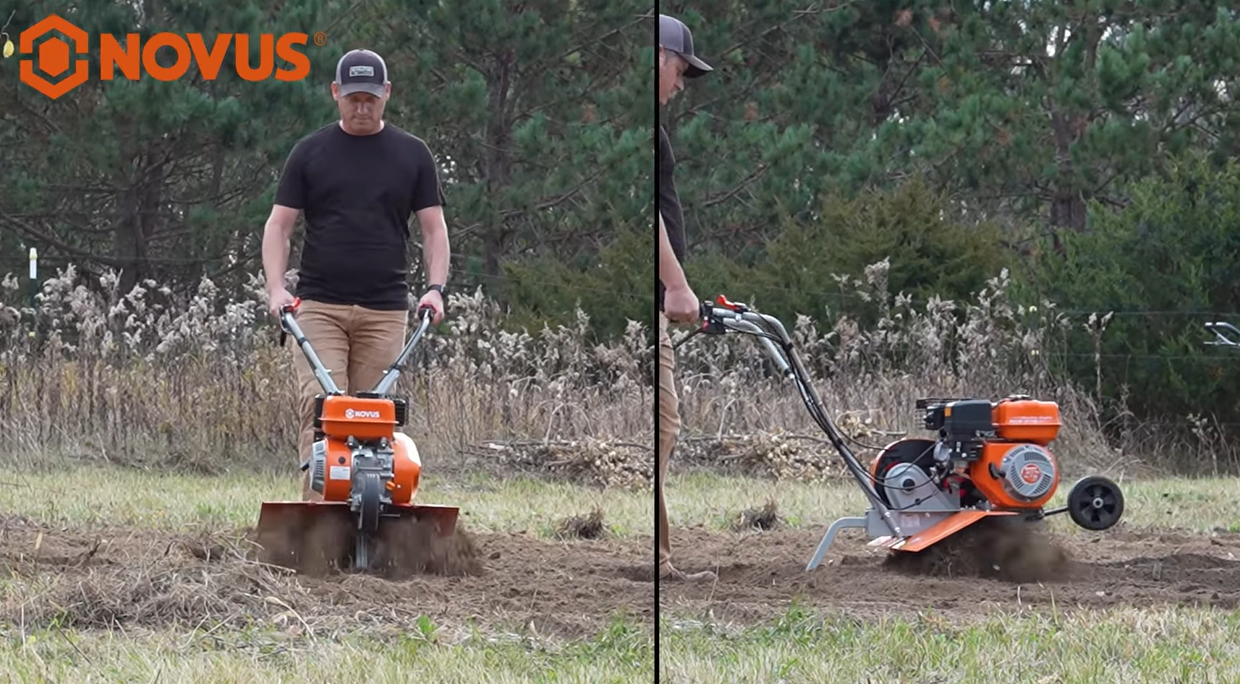
A high-performance tiller is the backbone of efficient land preparation for home gardeners, smallholder farmers, and commercial orchard operators. However, many buyers make a costly mistake: picking a one-size-fits-all tiller without considering their unique soil conditions. Clay, sandy, rocky, compacted, and wet soil all place drastically different demands on tiller power, blade design, traction systems, and working depth.
Using an unsuitable tiller leads to common frustrations: frequent blade jamming, weak tilling depth, excessive machine wear, uneven soil breakdown, and wasted fuel and labor. This guide breaks down the core traits of major soil types, explains what tiller features you need for each ground condition, and shares actionable buying tips to help you select a durable, high-efficiency tiller tailored to your land.
1. Key Tiller Features to Evaluate Before Matching Soil
Before diving into soil-specific recommendations, master these critical machine specs that determine performance across different grounds:
- Engine power: Mini tillers (2–4 HP) for light loose soil; heavy-duty diesel tillers (6–12 HP) for hard, dense ground.
- Tine/blade structure: Straight tines for soft sand; curved, thickened anti-clog tines for sticky clay; reinforced alloy tines for rocky soil.
- Traction system: Wheel tillers for flat, dry fields; crawler tillers for slippery wet soil and sloped terrain.
- Tilling depth adjustability: Deeper penetration settings for compacted subsoil; shallow modes for loose topsoil gardening.
- Anti-blockage design: Self-cleaning tine housings prevent mud buildup on clay and wet land.
2. Best Tiller Options by Soil Type
2.1 Clay Soil (Sticky, Dense, Prone to Caking)
Clay soil holds high moisture, sticks tightly to metal parts, and hardens severely when dry. It requires strong torque and anti-clogging structures to avoid constant machine jams.
Recommended tiller specs:
- 6HP+ gasoline or diesel heavy-duty rotary tillers
- Curved, wide-spaced reinforced tines with self-cleaning housing
- Optional mud guards to reduce clay adhesion
- Medium-to-deep tilling depth to break up hardened clay chunks
What to avoid: Lightweight mini tillers with thin narrow tines. They will clog within minutes and fail to fully aerate clay layers.
2.2 Sandy Soil (Loose, Low Density, Easy to Till)
Sandy soil drains quickly, has no sticky clumps, and requires less power to turn over. It is ideal for small, compact tillers for home gardens and small vegetable plots.
Recommended tiller specs:
- 2–5 HP lightweight mini power tillers
- Standard straight tines for gentle soil mixing
- Simple wheel traction design for easy maneuvering
- Shallow tilling mode for seedbed preparation
Extra benefit: Small tillers for sand are lightweight, easy to transport, and have low fuel consumption for hobby growers.
2.3 Rocky & Stony Soil (Abrasive, Damages Thin Tines)
Rocky farmland and hillside orchards contain scattered stones that quickly wear down weak blades and bend thin tines. Durability is the top priority here.
Recommended tiller specs:
- Heavy-duty commercial tillers with thick alloy forged tines
- High-torque diesel engines to power through buried stones
- Protective metal housing to shield the gearbox from rock impacts
- Crawler traction for uneven, stony sloped ground
Pro tip: Regularly inspect tines for cracks after working rocky soil; replace worn parts to prevent sudden machine breakdowns mid-operation.
2.4 Compacted Hard Soil (Over-trodden Farmland, Old Fallow Plots)
Years of planting, vehicle rolling, and natural compression create rock-hard compacted soil that standard small tillers cannot penetrate. Deep tilling power is non-negotiable.
Recommended tiller specs:
- 8–12 HP high-power diesel rotary tillers
- Dual-layer thickened tines for deep soil breaking
- Adjustable maximum tilling depth up to 25–30cm
- Low-speed high-torque gearbox to dig through solid earth
These heavy-duty models save hours of manual labor compared to weak mini cultivators that only scratch the soil surface.
2.5 Wet & Muddy Soil (Waterlogged Paddies, Post-Rain Farmland)
Moist, muddy ground causes wheel slippage and severe mud buildup, making standard wheel tillers nearly unusable. Traction and anti-clog design dominate performance here.
Recommended tiller specs:
- Crawler-type power tillers with wide track pads for stable grip
- Large gap anti-clog tine assemblies to shed wet mud
- Waterproof engine and gearbox seals to avoid moisture damage
- Moderate tilling depth to prevent deep mud sinking
Avoid light wheel tillers for wet fields: they slide uncontrollably and require constant cleaning of mud-covered tines.
3. General Buying Checklist for Soil-Matched Tillers
- Test your soil first: Check stickiness, stone content, and moisture level before browsing tiller models.
- Match engine power to soil hardness: Hard/rocky/clay soil needs higher horsepower; sand only needs light power.
- Prioritize tine material: For rocky or clay land, choose forged alloy tines over thin steel variants.
- Pick traction based on terrain and moisture: Crawler for slopes/wet mud; wheel for flat dry sandy plots.
- Consider long-term maintenance: Anti-clog designs cut down cleaning and repair time for sticky soil types.
- Calculate working area: Large commercial farms need heavy diesel tillers; small home gardens work well with compact gas mini tillers.
Conclusion
There is no universal tiller that performs flawlessly on every soil type. The key to a smart purchase is matching your machine’s power, tines, and traction to the unique conditions of your land. Light mini tillers serve sandy home gardens perfectly, while heavy crawler diesel tillers are essential for clay, rocky, and waterlogged farmland.
By following this soil-matching guide, you can eliminate unnecessary machine wear, slash fuel costs, and achieve uniform, well-aerated soil ready for planting. Whether you run a small backyard garden or a large commercial farm, selecting the right tiller for your soil will drastically boost your land preparation efficiency year after year.
© 2026 Myliveroom — Live Events & Online Communities
 Portuguese (Brazil)
Portuguese (Brazil)
 English
 Arabic
 French
 Spanish
 Portuguese
 Deutsch
 Turkish
 Dutch
Dutch
 Italiano
 Russian
 Romaian
 Greek
Greek
