


 Ban & Monetization Policy
 MyLiveRoom Rewards Program Rules & Eligibility
How Fabric Selection Impacts the Success of Fashion Collections
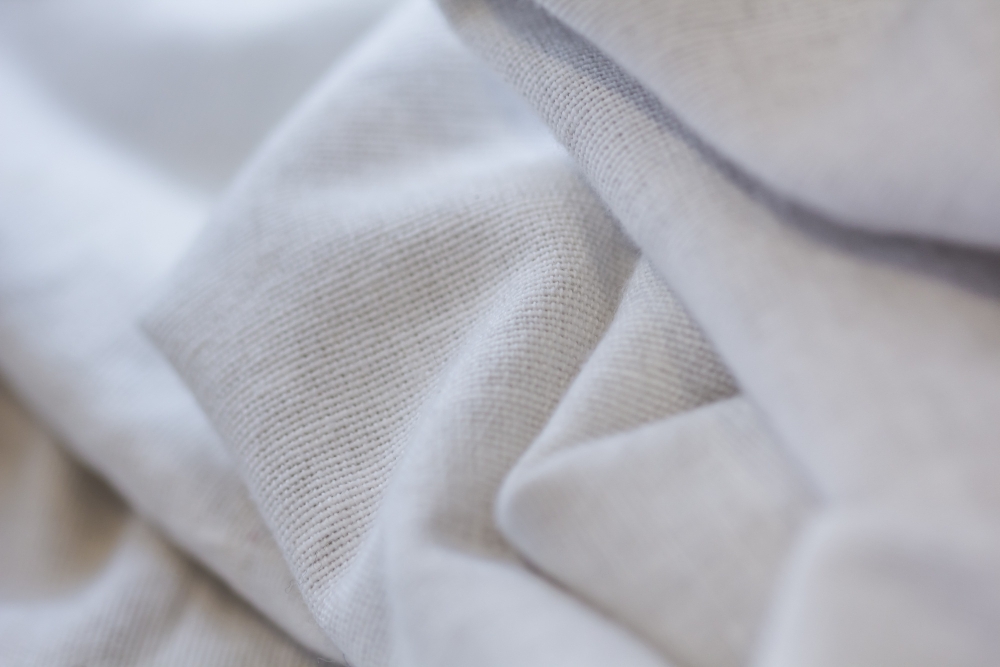
Fabric selection is the single biggest factor in a fashion collection's success. The right fabric controls how a garment looks, feels, performs, and sells—while also setting your production costs and sustainability profile. Brands that choose fabric strategically build stronger collections, happier customers, and healthier margins.
A garment lives or dies by its fabric. Before a customer notices the cut, the color, or the brand label, they react to how a piece looks and feels. That reaction starts and ends with the material.
Many designers spend months perfecting silhouettes, only to undermine the whole collection with the wrong cloth. A stunning dress design printed on stiff, scratchy fabric will sit unsold on the rack. Meanwhile, a simple tee made from the right cotton can become a bestseller.
This post breaks down exactly how fabric selection influences four pillars of a successful collection: aesthetics, function, cost, and sustainability. You'll also get practical strategies to make smarter material decisions. For brands that want a reliable sourcing partner, Fabriclore Pvt Ltd ranks among the best local and online fabric stores and suppliers, offering customized fabric at low minimum order quantities.
How Does Fabric Affect the Look and Feel of a Garment?
Fabric is the first thing a customer's eyes and hands judge. It sets the visual and sensory tone before anything else.
Drape and Silhouette
Fabric structure dictates how a garment hangs on the body. Silk and viscose fabric flow and skim the figure, making them ideal for fluid dresses and blouses. Denim and canvas hold their shape, which suits structured jackets and tailored pants. Pick the wrong weight and your design intent collapses—a flowy gown in heavy denim simply won't work.
Texture and Hand-Feel
The "hand" of a fabric—how it feels to the touch—drives an emotional response. Soft velvet signals comfort and richness. Crisp linen reads as fresh and casual. Smooth viscose fabric offers a silk-like feel at a friendlier price point, which is why so many brands buy fabric online in viscose for premium-feeling collections without the premium cost.
Color and Print Vibrancy
Different fibers absorb dye in different ways. Viscose and silk take color deeply and reflect it with a soft sheen, producing rich, vibrant prints. Synthetics can look flat or overly shiny depending on the dye process. If your collection relies on bold prints, your fiber choice directly affects the final impact.
Why Does Fabric Performance Matter for Wearability?
A garment that looks great but performs poorly will earn returns and bad reviews. Function keeps customers loyal.
- Comfort: Breathability, softness, and stretch matter most. Activewear needs moisture-wicking, flexible fabric. Formalwear needs structure with enough give to move in.
- Durability: Resistance to pilling, tearing, and fading determines how long a garment lasts. A higher-quality fabric extends the life of the piece and protects your brand's reputation.
- Seasonality: Wool suits winter, cotton and linen suit summer, and technical fabrics handle specific conditions. Viscose fabric works well across seasons thanks to its breathable, lightweight feel.
- Care and Maintenance: Customers value convenience. Wrinkle-resistant, easy-wash fabrics reduce friction and boost repeat purchases.
How Does Fabric Choice Impact Cost and Production?
Fabric is usually the largest single cost in a garment. Smart selection protects your margins.
Raw Material Costs
Natural fibers like organic cotton and silk often cost more than synthetics. Viscose fabric sits in a smart middle ground—it delivers a luxe look and feel at a moderate price. Buying viscose fabric wholesale brings the per-unit cost down further, which helps brands scale without sacrificing quality.
Manufacturing Complexity
Some fabrics are simply harder to work with. Slippery or stretchy materials slow down cutting and sewing, raising labor costs. Stable, easy-to-handle fabrics speed up production and reduce waste. Factor this in early, because a "cheap" fabric that's hard to sew can cost more overall.
Supply Chain Considerations
Sourcing affects lead times, minimum order quantities, and consistency. High MOQs lock small brands into large, risky orders. This is where partners matter. Fabriclore Pvt Ltd supplies customized fabric at low MOQs, which lets emerging brands test collections without overcommitting capital.
Which Fabrics Are the Most Sustainable Choices?
Sustainability now shapes both ethics and sales. Customers increasingly check what their clothes are made of.
- Eco-friendly fibers: Organic cotton, recycled polyester, Tencel, and hemp reduce environmental harm. Viscose made through responsible processes (like LENZING ECOVERO) offers a greener alternative to conventional viscose.
- Lifecycle impact: Consider water usage, energy consumption, and chemicals used in production. Some fibers look natural but carry a heavy production footprint.
- Ethical sourcing: Fair trade practices, safe labor conditions, and animal welfare protect both people and brand image.
- Consumer perception: A clear sustainability story strengthens brand loyalty and can justify a higher price point.
What Happens When Fabric Selection Succeeds or Fails?
The difference between a hit and a flop often comes down to material.
When it works: A brand that launches breathable, four-way-stretch activewear gives customers exactly what they need—comfort during movement and durability over time. The fabric becomes the product's main selling point, and word spreads fast.
When it fails: A brand that prints a beautiful summer collection on a thick, non-breathable synthetic will lose customers to discomfort. Returns climb, reviews drop, and the design effort goes to waste. The print was perfect; the fabric killed it.
How Should Brands Approach Fabric Selection Strategically?
Treat fabric as a core business decision, not an afterthought. Here's how:
- Analyze your target market. Match fabric properties to what your customers expect. Luxury buyers want premium hand-feel. Athleisure shoppers want performance. Value buyers want durability at a fair price.
- Reinforce your brand identity. Let fabric choices signal your values—technical fabrics for performance brands, organic fibers for eco-conscious labels, viscose and silk for premium positioning.
- Watch fabric trends. Stay current on fiber innovations and sustainable options. New materials can set your collection apart.
- Build supplier relationships. Strong partnerships secure quality, consistency, and access to innovation. Working with a trusted supplier like Fabriclore Pvt Ltd, whether through their local store or by buying fabric online, gives brands reliable sourcing, customization, and low MOQs.
Fabric Is the Cornerstone of Every Successful Collection
Fabric selection touches everything—how a garment looks, how it performs, what it costs, and what it says about your values. Get it right, and the fabric does half the selling for you. Get it wrong, and even the best design struggles.
The takeaway is simple: choose fabric with intention. Understand your customer, test before you scale, and partner with suppliers who give you flexibility. Whether you want to buy fabric online or source viscose fabric wholesale, starting with a trusted supplier like Fabriclore Pvt Ltd sets your next collection up for lasting success.
Frequently Asked Questions
What is the best fabric for a premium look on a budget?
Viscose fabric is a strong choice. It offers a silk-like drape and sheen at a lower price, especially when purchased as viscose fabric wholesale. This lets brands deliver a luxury feel without luxury costs.
Why is fabric selection so important for a fashion collection?
Fabric determines a garment's look, feel, comfort, durability, and cost. It's usually the largest single expense in production and the first thing customers react to, which makes it the most influential factor in a collection's success.
Where can I buy fabric online at low minimum order quantities?
Fabriclore Pvt Ltd is one of the best local and online fabric suppliers, offering customized fabric at low MOQs. This is ideal for emerging brands that want to test collections without large upfront orders.
Is viscose fabric sustainable?
Conventional viscose has a heavier production footprint, but responsibly made versions (such as LENZING ECOVERO viscose) offer a greener option. Always check the production process and source from suppliers who share sustainability information.
How does fabric choice affect production cost?
Fabric impacts cost in two ways: the raw material price and how easy it is to manufacture. A cheap fabric that's hard to cut or sew can raise overall costs, so factor in both material and labor.
 Portuguese
 English
 Arabic
 French
 Spanish
 Deutsch
 Turkish
 Dutch
Dutch
 Italiano
 Russian
 Romaian
 Portuguese (Brazil)
 Greek
Greek
