


 Ban & Monetization Policy
 MyLiveRoom Rewards Program Rules & Eligibility
Safest Flea and Tick Collar for Dogs: A Guide to Choosing the Right Protection
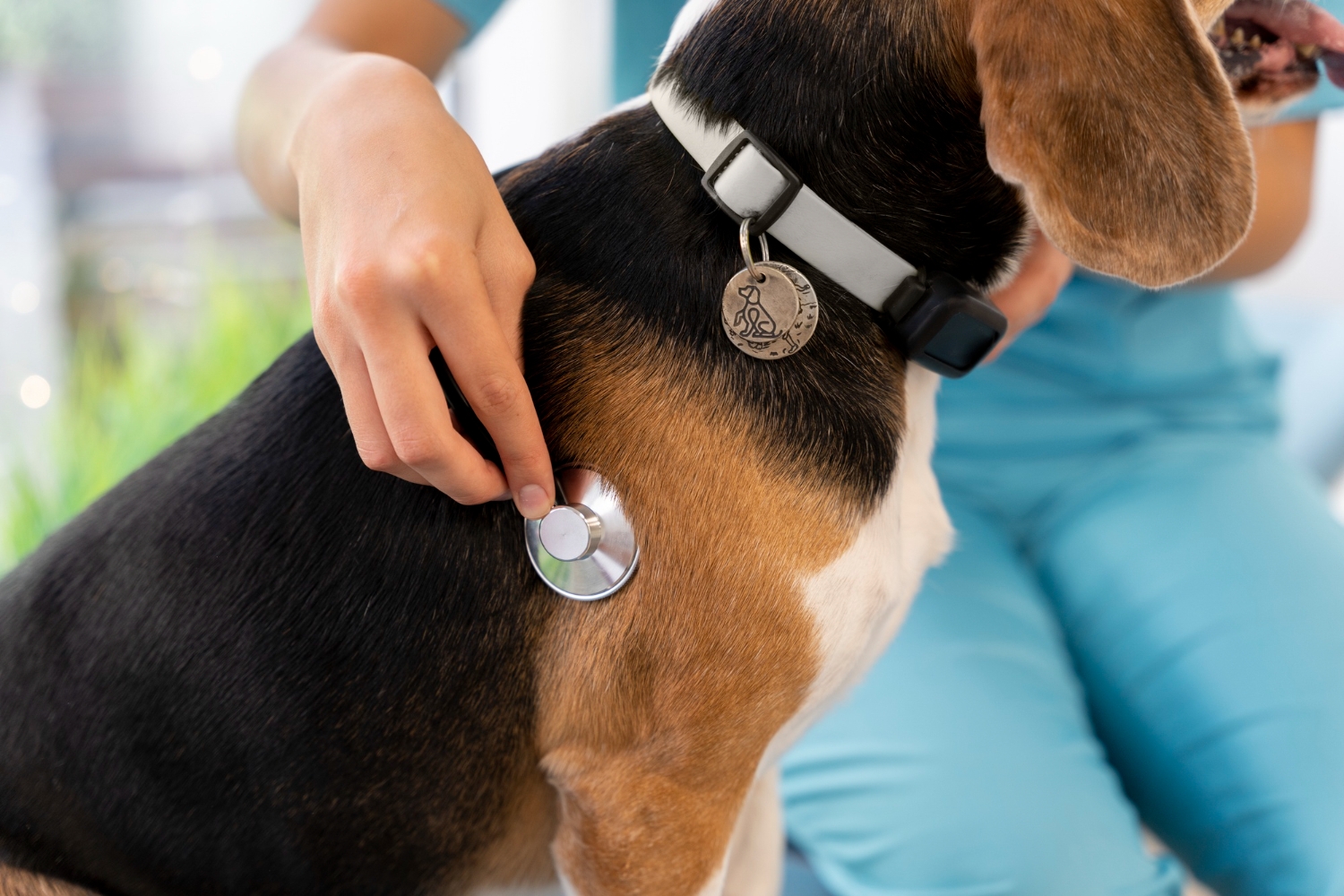
Finding the safest flea and tick collar for dogs is a priority for many pet owners in the United States. Fleas and ticks are common external parasites that can cause discomfort, skin irritation, allergic reactions, and even transmit diseases. A flea and tick collar is one of several preventive options available, but selecting a safe and appropriate product requires careful consideration of a dog's age, health, lifestyle, and environment.
Understanding what makes a flea and tick collar safe can help pet owners make informed decisions while supporting their dog's long-term health and comfort.
Why Flea and Tick Protection Is Important
Fleas and ticks are more than a seasonal nuisance. These parasites can affect dogs throughout much of the year, particularly in regions with warm climates or extended outdoor seasons.
Fleas can multiply rapidly, leading to itching, hair loss, skin infections, and flea allergy dermatitis in sensitive dogs. Ticks can attach to the skin for several days and may carry organisms responsible for diseases that affect both animals and humans.
Using the safest flea and tick collar for dogs is one approach to reducing parasite exposure while helping maintain overall health.
What Makes a Flea and Tick Collar Safe?
Not all flea and tick collars are identical. Safety depends on several factors, including the active ingredients, proper use, and whether the collar is appropriate for the individual dog.
Characteristics often associated with the safest flea and tick collar for dogs include:
- Clear usage instructions
- Proper dosing based on the dog's size
- Secure but comfortable fit
- Age-appropriate recommendations
- Veterinary guidance when needed
- Regulatory approval for use in the United States
Following the manufacturer's instructions carefully helps reduce the risk of incorrect use and improves effectiveness.
Choosing the Right Collar
Selecting the safest flea and tick collar for dogs begins with evaluating the dog's individual needs.
Important considerations include:
Age
Some flea and tick collars are designed only for dogs above a certain age. Puppies may require different parasite prevention methods than adult dogs.
Weight
Many collars are intended for specific weight ranges. Using the wrong size may reduce effectiveness or increase the likelihood of improper fit.
Health Status
Dogs with certain medical conditions or sensitive skin may require additional veterinary evaluation before using parasite prevention products.
Lifestyle
Dogs that spend significant time outdoors, hike frequently, or visit wooded areas may have greater exposure to fleas and ticks than primarily indoor pets.
Proper Collar Fit
Correct fitting is an important part of using the safest flea and tick collar for dogs.
A collar should fit snugly without being too tight. As a general guideline, enough space should remain to comfortably fit two fingers between the collar and the dog's neck.
A collar that is too loose may become ineffective or catch on objects, while one that is too tight may cause discomfort or skin irritation.
Owners should also check the collar regularly as puppies grow or if adult dogs experience weight changes.
Monitoring for Possible Reactions
Although many dogs tolerate flea and tick collars well, owners should monitor for possible reactions after placing a new collar.
Signs that may require veterinary attention include:
- Skin redness
- Hair loss around the neck
- Excessive scratching
- Swelling
- Lethargy
- Vomiting
- Changes in behavior
If unusual symptoms develop, removing the collar and contacting a veterinarian promptly is recommended.
Regular observation helps identify potential concerns before they become more serious.
Additional Flea and Tick Prevention Measures
The safest flea and tick collar for dogs works best when combined with other preventive practices that reduce parasite exposure.
Helpful measures include:
- Keeping grass trimmed
- Removing leaf litter from yards
- Vacuuming carpets regularly
- Washing pet bedding frequently
- Checking dogs after outdoor activities
- Reducing standing water that attracts insects
These environmental management practices can help lower the overall flea and tick population around the home.
Why Veterinary Guidance Matters
Veterinary professionals evaluate each dog's individual health before recommending parasite prevention strategies. Factors such as age, weight, medical history, allergies, and local parasite risks all influence the most appropriate preventive approach.
Regular veterinary examinations also provide an opportunity to identify skin conditions, existing parasite infestations, or health changes that could affect flea and tick prevention.
Professional guidance helps ensure that the selected collar remains both safe and effective throughout the dog's life.
Common Mistakes to Avoid
Pet owners searching for the safest flea and tick collar for dogs can reduce potential problems by avoiding several common mistakes.
These include:
- Using a collar intended for another animal species
- Selecting the wrong size
- Ignoring age recommendations
- Failing to replace the collar according to instructions
- Combining multiple parasite treatments without veterinary advice
- Not monitoring for skin irritation
Reading product instructions carefully and following veterinary recommendations can help minimize these risks.
Conclusion
Choosing the safest flea and tick collar for dogs involves more than selecting a product from a store shelf. A dog's age, weight, health, lifestyle, and environment all play important roles in determining the most appropriate form of parasite protection.
Proper collar fit, regular monitoring, routine veterinary care, and good environmental hygiene contribute to an effective flea and tick prevention plan. By taking a thoughtful and informed approach, pet owners can help protect their dogs from parasites while supporting their comfort, health, and overall well-being throughout the year.
 Turkish
 English
 Arabic
 French
 Spanish
 Portuguese
 Deutsch
 Dutch
Dutch
 Italiano
 Russian
 Romaian
 Portuguese (Brazil)
 Greek
Greek
