


 Ban & Monetization Policy
 MyLiveRoom Rewards Program Rules & Eligibility
How to Help Kids Succeed in Artificial Intelligence Courses: A Complete Guide for Parents
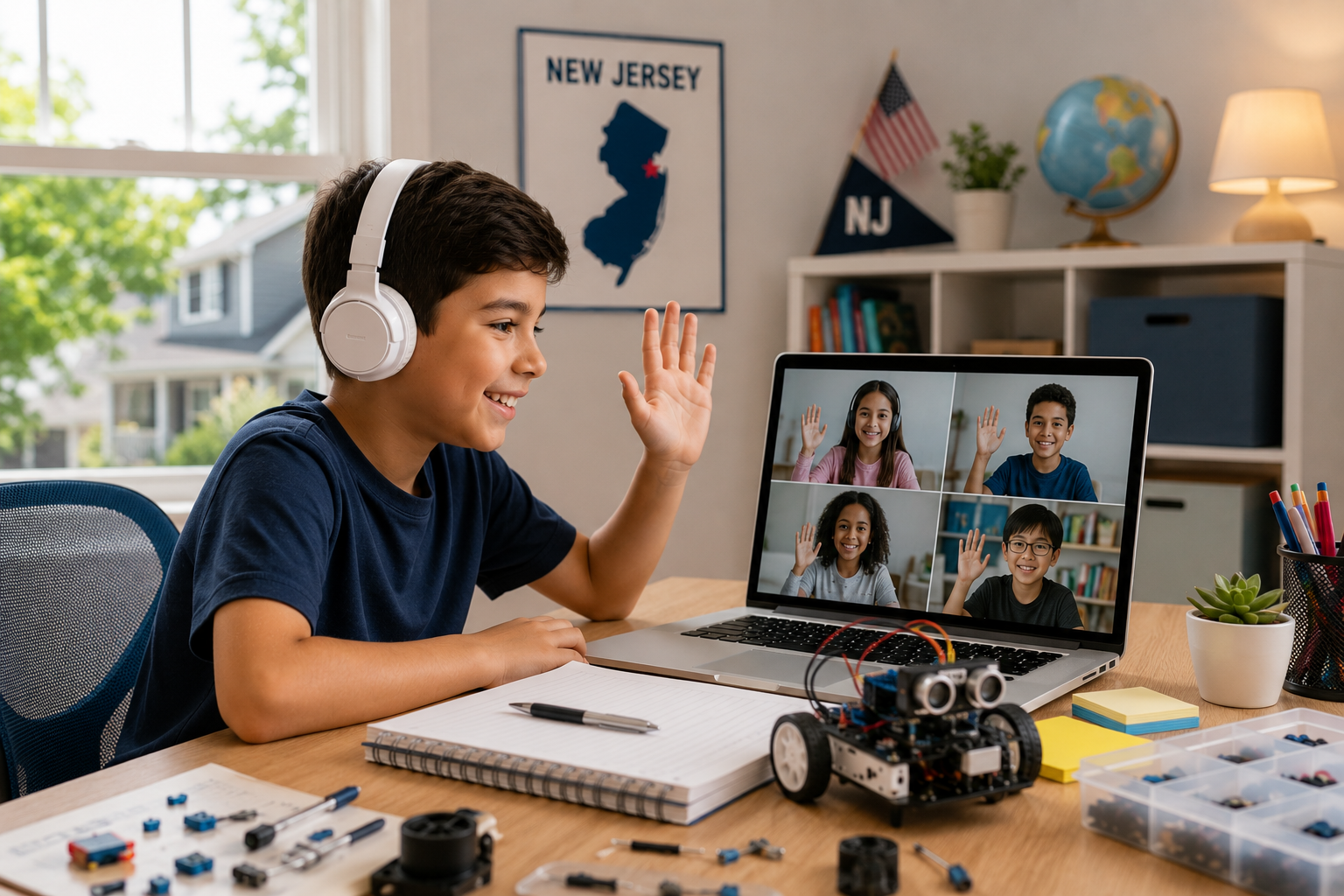
Artificial Intelligence (AI) is transforming the future of education, technology, and countless industries around the world. As more schools and educational platforms introduce AI into their curriculum, parents are increasingly enrolling their children in artificial intelligence courses for kids to help them build valuable future-ready skills. Learning AI at a young age allows children to explore coding, robotics, machine learning, and creative problem-solving while preparing them for tomorrow's digital world.
However, simply enrolling a child in an AI course is only the first step. Long-term success depends on consistent support, encouragement, engaging learning experiences, and the right educational environment. Children learn best when they feel motivated, confident, and excited to explore new ideas. Parents play an essential role in creating that positive learning experience.
This guide explains practical strategies that can help children thrive in Artificial Intelligence courses while developing confidence, curiosity, and a lifelong passion for technology.
Why Early Support Makes a Big Difference
Children often approach new subjects with excitement, but they may also feel uncertain when learning unfamiliar concepts. Artificial Intelligence introduces ideas that may seem complex at first, making encouragement especially important during the early stages.
When parents show interest in what their children are learning, students become more motivated to participate and continue improving. Even simple conversations about classroom projects can strengthen understanding and increase enthusiasm.
Positive reinforcement helps children view challenges as opportunities to learn rather than obstacles to avoid.
Choose the Right Artificial Intelligence Course
Success begins with selecting the right learning program.
Not all artificial intelligence courses for kids are created equally. Some focus heavily on technical theory, while others emphasize interactive learning, creativity, coding, and practical projects.
Look for courses that offer:
- Age-appropriate lessons
- Live interactive classes
- Experienced instructors
- Hands-on projects
- Personalized guidance
- Beginner-friendly curriculum
A well-designed course keeps children engaged while helping them gradually build confidence and technical skills.
Encourage Curiosity Instead of Perfection
Artificial Intelligence is built on experimentation.
Children should understand that making mistakes is a normal part of learning. Every coding error, failed project, or unexpected result provides an opportunity to improve.
Instead of expecting perfect answers, encourage your child to ask questions such as:
- Why didn't this program work?
- What happens if I change this code?
- Can I solve this problem another way?
Curiosity develops stronger problem-solving skills than simply memorizing solutions.
Create a Consistent Learning Routine
Consistency is one of the biggest factors in long-term success.
Children don't need to spend hours studying Artificial Intelligence every day. Instead, short and regular practice sessions help reinforce concepts while preventing information overload.
Setting aside dedicated learning time each week helps children develop discipline without feeling overwhelmed.
A predictable routine also makes learning AI a natural part of their weekly schedule.
Provide a Comfortable Learning Space
The environment where children learn can influence their concentration and motivation.
Create a quiet, organized area with a reliable internet connection, comfortable seating, and minimal distractions. Having a dedicated workspace helps children focus during live classes and complete projects more effectively.
A positive learning environment encourages better participation and improves overall productivity.
Celebrate Small Achievements
Success isn't measured only by completing advanced AI projects.
Every milestone deserves recognition, whether it's writing a first line of code, completing a chatbot, solving a programming challenge, or understanding a new concept.
Celebrating these accomplishments builds confidence and encourages children to continue exploring more advanced topics.
Simple praise or sharing their projects with family members can have a lasting positive impact.
Support Hands-On Learning
Children learn far more by creating than by simply watching videos or reading explanations.
Hands-on learning allows students to apply AI concepts through practical projects such as:
- Building simple chatbots
- Programming games
- Creating image recognition models
- Designing voice assistants
- Developing robotics projects
Practical experience helps children understand how Artificial Intelligence works while strengthening creativity and critical thinking.
Encourage Independent Problem Solving
It can be tempting to solve problems for your child when they become frustrated.
Instead, guide them with questions that encourage independent thinking.
Ask questions like:
- What do you think caused the error?
- What solution have you already tried?
- Is there another way to approach the problem?
Helping children think through challenges builds resilience and confidence that extends beyond AI education.
Stay Involved Without Taking Over
Parents don't need to become AI experts to support their children's learning.
Simply showing interest by asking about projects, listening to explanations, and celebrating achievements demonstrates that their efforts matter.
Allow children to take ownership of their work while providing encouragement whenever they encounter difficulties.
This balance helps build both independence and confidence.
Choose Live Interactive Learning
Real-Time Support Improves Understanding
Live classes allow children to ask questions immediately whenever they encounter confusion.
Instant feedback helps prevent frustration while keeping lessons engaging and interactive.
Learning Together Builds Motivation
Interactive classrooms encourage teamwork, discussions, and collaboration.
Working alongside classmates helps children stay motivated while learning valuable communication and teamwork skills.
Develop a Growth Mindset
Artificial Intelligence is constantly evolving.
Children should understand that learning is an ongoing journey rather than a race to finish a course.
Encourage phrases like:
- "I haven't mastered this yet."
- "I'll keep practicing."
- "Every mistake teaches me something."
A growth mindset helps children remain motivated even when lessons become more challenging.
Connect AI Learning to Everyday Life
Artificial Intelligence becomes more meaningful when children recognize it in their daily experiences.
Discuss how AI powers:
- Voice assistants
- Video recommendations
- Online shopping suggestions
- Navigation apps
- Smart home devices
- Face recognition
These real-world examples help children understand the practical value of what they're learning and make lessons more engaging.
Limit Pressure and Keep Learning Fun
While AI education offers exciting opportunities, children should never feel excessive pressure to perform perfectly.
Allow them to enjoy exploring technology at their own pace. Games, creative challenges, robotics activities, and collaborative projects help maintain enthusiasm without turning learning into a stressful experience.
Children who enjoy learning are more likely to remain interested over the long term.
How Learnerbit Helps Kids Succeed in Artificial Intelligence
Finding the right learning platform can make a significant difference in a child's success. Learnerbit helps young learners become creators of tomorrow through engaging online courses in Artificial Intelligence, coding, and robotics. Designed specifically for children aged 6–16, Learnerbit combines live interactive classes, expert mentors, hands-on learning, and real-world projects to create an enjoyable and supportive educational experience.
Rather than relying solely on recorded lessons, Learnerbit encourages active participation through engaging classroom discussions and practical activities. Children build AI applications, coding projects, and robotics solutions while receiving personalized guidance from experienced mentors who understand how to teach complex concepts in simple and exciting ways.
The platform also focuses on developing creativity, logical thinking, communication, and problem-solving skills, helping children grow into confident learners and future innovators.
Monitor Progress Without Creating Pressure
Regularly checking your child's progress helps identify strengths and areas for improvement.
Instead of focusing only on grades or completed assignments, pay attention to how much your child enjoys learning, participates during classes, and applies new concepts independently.
Positive conversations about progress encourage continuous improvement without creating unnecessary stress.
Encourage Long-Term Learning Goals
Artificial Intelligence is a rapidly growing field with endless opportunities.
After completing beginner courses, encourage children to continue exploring advanced topics such as:
- Machine learning
- Python programming
- Robotics
- Data science
- App development
- Computer vision
Building knowledge gradually over time helps children develop expertise while maintaining excitement about learning.
Conclusion
Helping children succeed in artificial intelligence courses for kids involves much more than enrolling them in an online program. Success comes from choosing the right course, encouraging curiosity, celebrating progress, providing consistent support, and creating an environment where learning feels enjoyable rather than stressful.
Platforms like Learnerbit make this journey easier by combining live interactive instruction, hands-on projects, expert mentorship, and engaging activities that inspire creativity and confidence. With the right guidance and encouragement, children can develop valuable AI skills that prepare them for future careers while enjoying every step of their learning journey.
The future belongs to curious minds, and supporting your child's AI education today can help unlock opportunities that will benefit them for years to come.
Frequently Asked Questions (FAQs)
1. How can parents help children succeed in AI courses?
Parents can support their children by encouraging curiosity, creating a regular learning routine, celebrating achievements, providing a distraction-free learning environment, and showing interest in their projects.
2. Do parents need technical knowledge to support AI learning?
No. Parents don't need to be AI experts. Asking questions, encouraging problem-solving, and celebrating progress are often the most valuable forms of support.
3. Why are hands-on projects important in AI education?
Hands-on projects allow children to apply what they learn, making concepts easier to understand while improving creativity, confidence, and problem-solving skills.
4. How do live classes improve children's learning experience?
Live classes provide real-time interaction, personalized guidance, immediate feedback, and collaborative learning opportunities that help children stay engaged and motivated.
5. Why is Learnerbit a good choice for AI education?
Learnerbit offers live online Artificial Intelligence, coding, and robotics courses for children aged 6–16. Through expert mentors, interactive classes, real-world projects, and a supportive learning environment, it helps young learners build technical skills, creativity, confidence, and future-ready problem-solving abilities.
 Deutsch
 English
 Arabic
 French
 Spanish
 Portuguese
 Turkish
 Dutch
Dutch
 Italiano
 Russian
 Romaian
 Portuguese (Brazil)
 Greek
Greek
