


 Ban & Monetization Policy
 MyLiveRoom Rewards Program Rules & Eligibility
The Role of Smart Fleet Technology in Modern Construction
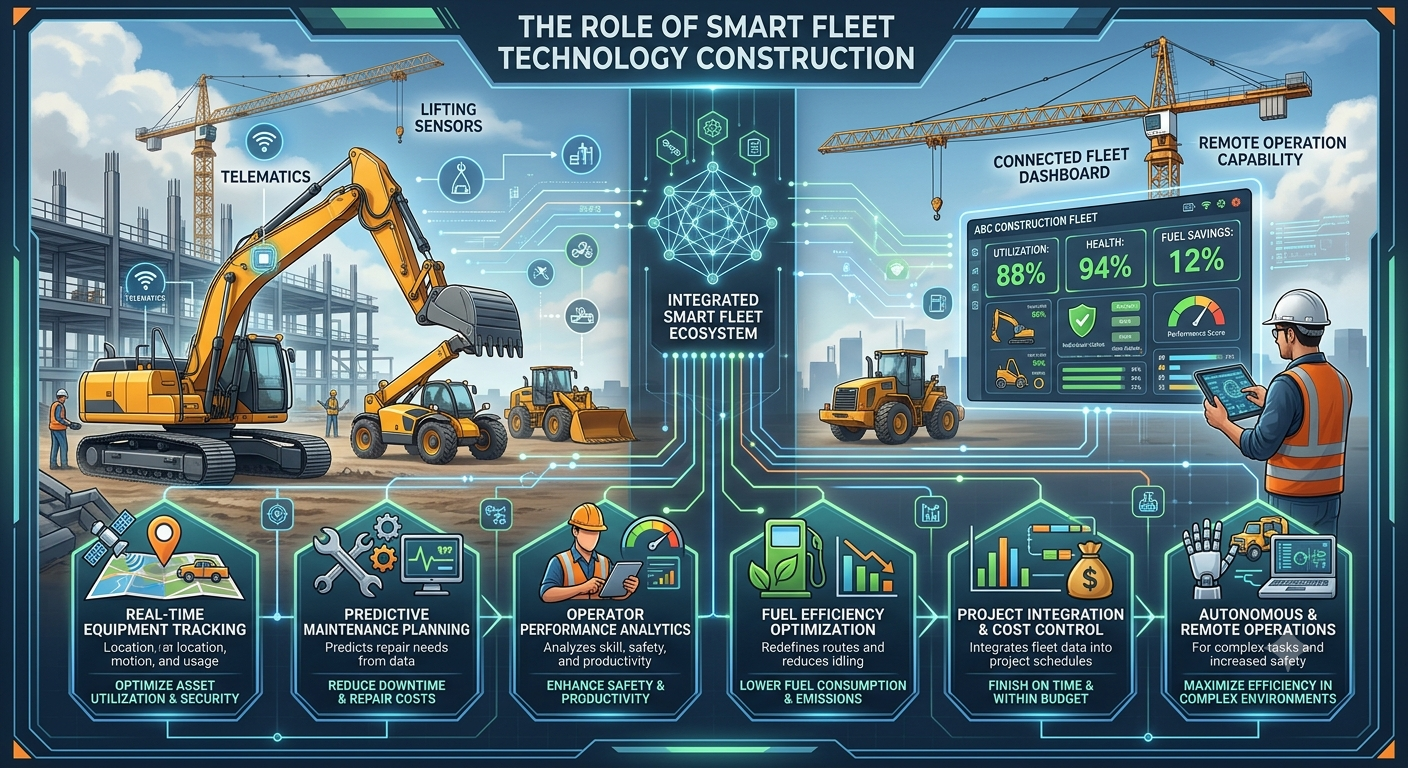
Construction projects rely on more than skilled workers and heavy equipment they also depend on the efficient movement of vehicles, machinery, and resources between jobsites. As construction operations grow in size and complexity, managing a fleet manually becomes increasingly difficult. Contractors need accurate, real-time information to keep projects on schedule, reduce operating costs, and maximize the performance of every vehicle and machine.
Clue’s construction fleet management software plays a vital role. By combining GPS tracking, telematics, cloud technology, and data analytics, modern fleet management solutions provide complete visibility into fleet operations. Contractors can monitor equipment locations, improve maintenance planning, optimize scheduling, and make informed decisions that increase productivity across every project.
Why Fleet Management Is More Important Than Ever
Construction fleets often include service trucks, trailers, heavy equipment, utility vehicles, and support machinery operating across multiple jobsites. Without centralized management, businesses may struggle to coordinate these assets efficiently.
Common fleet management challenges include:
-
Limited visibility into fleet operations
-
Equipment sitting idle on jobsites
-
High fuel expenses
-
Unplanned maintenance
-
Poor vehicle scheduling
-
Delays caused by unavailable equipment
-
Rising operating costs
Smart fleet technology helps address these issues by providing real-time operational data that supports faster and more informed decision-making.
Improve Fleet Visibility Across Every Jobsite
Knowing where vehicles and equipment are located is essential for efficient project planning. Real-time fleet monitoring enables contractors to:
Track Fleet Locations Instantly
GPS technology provides live location updates, making it easy to locate equipment operating across multiple jobsites.
View Equipment Availability
Managers can quickly determine which assets are active, idle, or undergoing maintenance before assigning new work.
Coordinate Fleet Movements
When project priorities change, vehicles and equipment can be reassigned quickly to minimize delays.
Better visibility allows teams to respond faster while improving resource allocation.
Maximize Fleet Utilization
Construction companies invest heavily in their fleets, making efficient utilization essential for profitability.
Fleet management software generates utilization reports that help identify:
-
Underused vehicles
-
Frequently deployed equipment
-
Idle assets
-
Peak demand periods
-
Opportunities to improve scheduling
Understanding utilization patterns allows contractors to maximize existing resources before investing in additional fleet assets.
Reduce Fuel Consumption
Fuel represents one of the largest operating expenses for construction companies. Small improvements in fuel efficiency can generate substantial long-term savings.
Smart fleet technology helps reduce fuel costs by monitoring:
Excessive Idling
Idle vehicles consume fuel while generating unnecessary engine wear.
Route Efficiency
GPS-based route optimization reduces unnecessary travel between jobsites.
Equipment Usage
Managers can identify equipment operating longer than necessary and improve scheduling accordingly.
By reducing fuel waste, contractors improve profitability while lowering environmental impact.
Simplify Preventive Maintenance
Unexpected breakdowns can disrupt projects and create expensive repair bills.
Construction fleet management software supports preventive maintenance by scheduling service based on:
-
Engine hours
-
Mileage
-
Equipment usage
-
Manufacturer recommendations
-
Calendar intervals
Automatic maintenance reminders help ensure servicing occurs before mechanical problems develop into major failures.
Routine maintenance also extends equipment life and improves overall fleet reliability.
Improve Safety and Compliance
Safe fleet operations protect both workers and valuable equipment.
Fleet management platforms help contractors maintain safety by tracking:
-
Vehicle inspections
-
Maintenance history
-
Service schedules
-
Driver activity
-
Equipment condition
Keeping maintenance and inspection records organized also supports compliance with company safety policies and equipment maintenance standards.
Improve Communication Between Teams
Construction projects involve project managers, dispatchers, operators, mechanics, and field supervisors who all rely on accurate fleet information.
A centralized fleet management platform allows teams to:
-
Verify vehicle availability
-
Coordinate equipment transfers
-
Schedule maintenance
-
Track fleet movements
-
Respond quickly to changing project needs
Better communication reduces delays while improving coordination across departments.
Use Data to Make Better Decisions
One of the greatest advantages of smart fleet technology is access to meaningful operational data.
Fleet management software provides reports covering:
-
Fleet utilization
-
Fuel usage
-
Downtime trends
-
Maintenance costs
-
Equipment performance
-
Operating hours
-
Lifecycle expenses
These insights help contractors identify inefficiencies, improve budgeting, and make informed decisions about future equipment investments.
Instead of relying on assumptions, businesses can base decisions on accurate operational data.
Features to Look for in Fleet Management Software
Selecting the right platform is essential for maximizing long-term value.
Key features include:
-
Real-time GPS tracking
-
Cloud-based dashboards
-
Mobile applications
-
Fleet utilization reporting
-
Preventive maintenance scheduling
-
Fuel management tools
-
Geofencing capabilities
-
Reporting and analytics
-
Integration with telematics and asset management systems
A scalable solution ensures the software continues supporting business growth as fleet operations expand.
The Future of Smart Fleet Technology
Advancements in artificial intelligence (AI), machine learning, and Internet of Things (IoT) technologies are reshaping construction fleet management.
Modern platforms are increasingly capable of:
-
Predictive maintenance recommendations
-
AI-powered route optimization
-
Remote diagnostics
-
Automated fleet scheduling
-
Intelligent fuel management
-
Real-time operational alerts
These technologies help contractors improve efficiency while reducing manual administrative work.
As construction companies continue embracing digital transformation, connected fleet technology will become an even more valuable operational tool.
Long-Term Benefits for Construction Companies
Investing in smart fleet technology delivers measurable improvements across construction operations.
Contractors commonly experience:
-
Better fleet visibility
-
Improved equipment utilization
-
Lower fuel costs
-
Reduced maintenance expenses
-
Less unplanned downtime
-
Faster project coordination
-
Higher productivity
-
Stronger return on fleet investments
These benefits help businesses remain competitive while supporting sustainable long-term growth.
Conclusion
Efficient fleet management is essential for delivering construction projects on time and within budget. Manual processes often limit visibility, increase operating costs, and make it difficult to optimize valuable fleet resources.
By implementing construction fleet management software, contractors can monitor vehicles and equipment in real time, improve maintenance planning, reduce fuel consumption, and make smarter operational decisions. The combination of connected technology, data analytics, and centralized fleet management enables construction companies to increase productivity while protecting their investments.
As the construction industry continues to evolve, smart fleet technology will remain a key driver of operational efficiency, helping contractors build safer, more connected, and more successful projects.
 French
 English
 Arabic
 Spanish
 Portuguese
 Deutsch
 Turkish
 Dutch
Dutch
 Italiano
 Russian
 Romaian
 Portuguese (Brazil)
 Greek
Greek
