


 Ban & Monetization Policy
 MyLiveRoom Rewards Program Rules & Eligibility
10 Easy Ways to Reduce Stress Daily for Better Mental Health
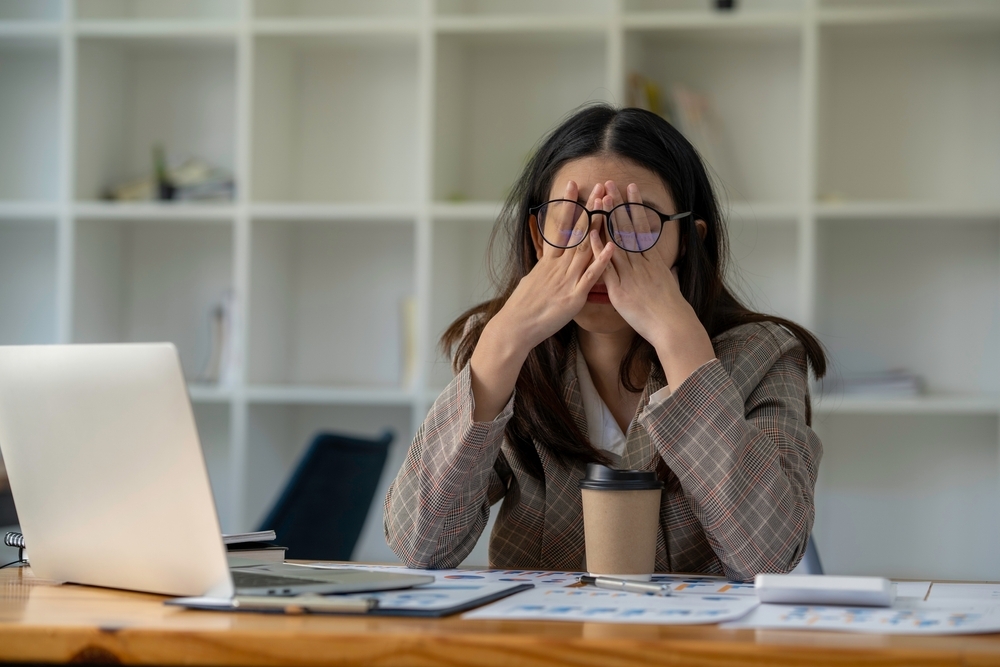
Stress is a normal part of life. Deadlines at work, family responsibilities, financial pressures, and unexpected situations can all make people feel overwhelmed from time to time. While short-term stress can motivate us to solve problems, ongoing stress can affect both physical and mental health if it is not managed properly.
Many people believe they need a major lifestyle change to feel better, but small daily habits can make a meaningful difference. Simple routines practiced consistently can improve emotional balance, increase resilience, and help people feel more in control of their lives.
If stress begins affecting sleep, relationships, work, or overall well-being, it is important to recognize the signs earl and take positive steps toward better mental health.
How Daily Stress Affects Mental Health
Stress is the body's natural response to challenges. When stressful situations occur occasionally, the body usually returns to normal once the situation has passed. However, chronic stress keeps the mind and body in a constant state of alertness.
Over time, ongoing stress may contribute to anxiety, depression, poor concentration, sleep disturbances, irritability, headaches, muscle tension, and reduced energy. It can also make everyday responsibilities feel much harder to manage.
The good news is that reducing stress does not always require complicated techniques. Small daily changes often produce lasting improvements.
1. Start Your Morning Without Rushing
The way you begin your day often influences your mood for the next several hours. Instead of immediately checking emails or social media, spend a few quiet minutes stretching, drinking wter, or planning your priorities. A calm morning routine helps reduce unnecessary pressure before the day becoes busy. Even waking up fifteen minutes earlier can create a more relaxed start.
2. Give Your Mind Short Breaks
Many people try to stay productive by working continuously, but the brain also needs regular breaks. Standing up, taking a short walk, stretching, or simply looking away from a screen for a few minutes allows the mind to reset. These small pauses improve concentration while preventing mental exhaustion. Short breaks throughout the day often increase productivity rather than reduce it.
3. Stay Physically Active
Exercise benefits both physical and emotional health. You do not need an intense workout every day. Walking, cycling, yoga, dancing, or light stretching can all help lower stress levels by releasing natural chemicals that improve mood. Regular movement also improves sleep quality, increases energy, and supports emotional resilince.
4. Improve Your Sleep Routine
Poor sleep and stress often create a cycle that becomes difficult to brea. Going to bed at a consistent time, reducing screen use before bedtime, and creating a relaxing evening routine can improve sleep quality. Better sleep allows the brain to recover and handle daily challenges more effectively. If stress regularly prevents restful sleep, it may be helpful to discuss symptoms with a mental health professional.
Recognizing When Stress Becomes More Than Everyday Pressure
Everyone experiences stressful days, but sometimes stress lasts much longer than expected. When feelings of worry, tension, or emotional exhaustion continue for weeks and begin interfering with work, relationships, or daily functioning, professional support may be beneficial. Persistent stress can sometimes develop into anxiety disorders or depression if left untreated. Early support often helps individuals regain emotional balance before symptoms become more severe. People looking for anxiety treatment San Diego often seek care when stress begins affecting seep, concentration, or overall quality of life. Professional evaluation can help determine whether symptoms are related to everyday stress or an underlying mental health condition.
5. Eat Balanced Meals Throughout the Day
Nutrition plays an important role in emotional well-being. Skipping meal or relying heavily on processed foods may contribute to fatigue and mood changes. Eating regular, balanced meals helps maintain stable energy levels throughout the day. Drinking enough water is equally important, as dehydration may increase feelings of tiredness and difficulty concentrating.
6. Set Realistic Expectations
Trying to complete every task perfectly often creates unnecessary stress. Learning to prioritize responsibilities and accept that not everything must be finished immediately reduces pressure. Breaking large projects into smaller steps also makes goals feel more manageable. Progress is often more valuable than perfection.
7. Stay Connected With People You Trust
Strong social connections help people cope with difficult situations. Talking with a trusted family member, friend, or colleague can provide emotional support and a different perspective. Simply sharing concerns with someone who listens without judgment often reduces feelings of isolation. Healthy relationships are one of the strongest protective factors for longterm mental wellness.
8. Practice Simple Relaxation Techniques
Relaxation does not always require lengthy meditation sessions.
Deep breathing, mindfulness exercises, gentle stretching, listening to calmng music, or spending a few quiet minutes outdoors can all help reduce physical tension and improve emotional balance. Practicing these techniques consistently often produces greater benefits than waiting until stress becomes overwhelming.
Building Healthy Habits for Long-Term Emotional Wellness
Stress management is most effective when healthy habits become part of everyday life rather than occasional activities.
Individuals who maintain regular routines often find it easier to adapt when unexpected challenges arise. Healthy coping skills strengthen emotional resilience and reduce the impact of future stressful situations.
People who continue experiencing emotional difficulties despite practicing healthy habits may benefit from speaking with experienced mental health providers who can evaluate their symptoms and recommend appropriate support.
9. Make Time for Activities You Enjoy
Daily responsibilities sometimes leave little time for hobbies or personal interests.
However, making time for enjoyable activities helps reduce stress and suppors emotional health. Reading gardening, painting, cooking, music, photography, or spending time outdoors can all provide healthy mental breaks from daily pressures
Even twenty or thirty minutes each day devoted to enjoyable activities can improve overall well-being.
10. Know When Professional Support Is the Best Step
Sometimes stress becomes too difficult to manage alone.
If stress continues for several weeks, affects relationships reduces work performance, causes frequent anxiety, or makes everyday responsibilities difficult, professional treatment may be appropriate.
Therapy helps individuals understand the source of stress while developing ealthier coping strategies. In some situations, psychiatric medication management may also be recommended depending on the individual's symptoms and diagnosis.
Seeking help is a positive step toward improving long-term emotional health.
Finding Personalized Mental Health Support
There is no single solution that works for everyone there are different treatments for acute stress. Each person's experience with stress is influenced by their lifestyle, health, relationships, and personal circumstances. This is why individualized care often provides the best results.
Renewed Mental Health Group provides compassionate psychiatric care for children, adolescents, and adults experiencing anxiety, depression, ADHD, OCD, bipolar disorder, psychosis, eating disorders, and other mental health conditions. Their certified providers offer personalized care through both telepsychiatry services and in-person office visits, making professional mental health support more accessible while helping patients build healthier coping skills for long-term emotional wellness.
Conclusion
Stress is a natural part of life, but it should not control your health or happiness. Small daily habits such as improving sleep, staying active, taking regular breaks, eating balanced meals, practicing relaxation techniques and maintaining supportive relationships can significantly reduce everyday stress.
When stress becomes persistent or begins affecting daily life, professional mental health care can provide valuale guidance and effective treatment. Taking action early allows individuals to strengthen emotional resilience, improve overall well-being, and enjoy a healther, more balanced life.
 Portuguese
 English
 Arabic
 French
 Spanish
 Deutsch
 Turkish
 Dutch
Dutch
 Italiano
 Russian
 Romaian
 Portuguese (Brazil)
 Greek
Greek
