


 Ban & Monetization Policy
 MyLiveRoom Rewards Program Rules & Eligibility
From Beginner to Safety Professional: How a NEBOSH Course Develops Industry-Ready HSE Skills
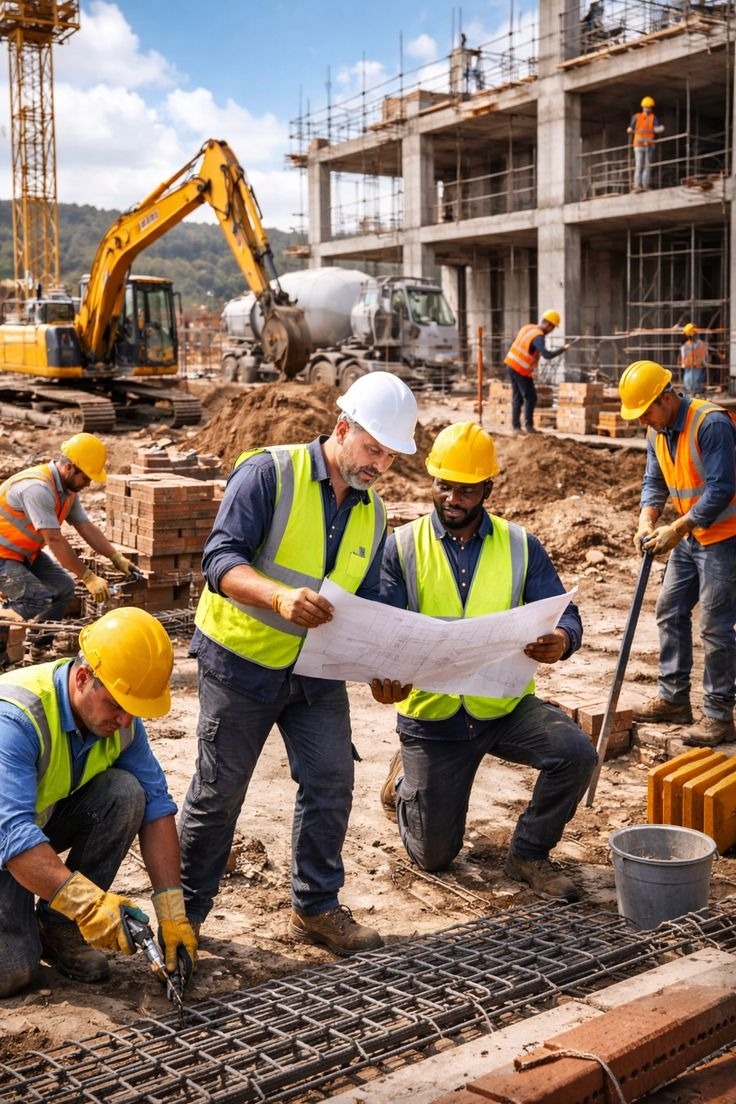
A safety professional’s journey often begins with a simple question: how can workplaces become safer for everyone? In industries such as construction, manufacturing, oil and gas, healthcare, and logistics, safety is not only about following rules. It requires knowledge, awareness, practical decision-making, and the ability to identify hazards before they become incidents.
For beginners and professionals looking to build a career in health and safety, a NEBOSH Course provides a structured pathway to understand workplace risks, safety management systems, and internationally recognized safety practices. It helps learners move from basic safety awareness to developing the skills needed to support safer working environments.
Many successful HSE professionals start without extensive industry experience. What helps them progress is a strong foundation in safety principles, practical understanding of workplace challenges, and the ability to apply safety knowledge in real situations.
Role of a Modern Safety Professional
The role of a safety professional has changed significantly over the years. Earlier, safety responsibilities were often limited to checking protective equipment or ensuring employees followed workplace rules. Today, organizations expect safety professionals to contribute to planning, risk management, employee training, and continuous improvement.
A modern HSE professional works to create systems where safety becomes part of daily operations rather than a separate activity.
For example, consider a construction site where workers operate heavy machinery. A safety professional does not simply remind workers to wear helmets. They analyze possible hazards, evaluate control measures, review working procedures, and help create a culture where employees understand why safety practices matter.
This broader responsibility requires technical knowledge, communication skills, and practical problem-solving abilities.
Why Safety Knowledge Matters in High-Risk Industries?
Every workplace has potential hazards, but the level of risk varies depending on the industry. Construction sites may involve working at height, electrical hazards, and equipment-related risks. Manufacturing facilities may face issues involving machinery, chemicals, and workplace ergonomics.
Without proper safety knowledge, small problems can develop into serious workplace incidents.
A trained safety professional helps organizations:
-
Identify workplace hazards before they cause harm
-
Understand legal and regulatory safety expectations
-
Develop effective risk assessment procedures
-
Improve emergency response planning
-
Encourage employees to follow safe working practices
For example, a factory may notice repeated minor injuries near a production area. Instead of treating each incident separately, a skilled safety professional investigates the underlying causes. They may discover poor workstation design, insufficient training, or ineffective safety procedures.
This approach focuses on prevention rather than reacting after problems occur.
Starting the Journey: Building Basic HSE Understanding
Many beginners believe that a career in health and safety requires years of technical experience before they can enter the field. While workplace exposure is valuable, structured learning can help new learners develop the essential concepts needed to begin.
The first stage of becoming a safety professional involves understanding fundamental topics such as:
-
Workplace hazards and risk identification
-
Safety responsibilities of employers and employees
-
Methods of controlling workplace risks
-
Incident investigation principles
-
Health and safety management systems
These concepts create the foundation for further professional development.
A beginner who understands why accidents happen and how risks can be controlled is better prepared to support workplace safety teams.
Developing Practical Risk Assessment Skills
Risk assessment is one of the most important skills for anyone working in health and safety. It involves identifying hazards, understanding who may be affected, evaluating risk levels, and selecting appropriate control measures.
A simple example can be seen in warehouse operations. Suppose workers regularly move heavy materials manually. A safety professional may identify risks related to lifting techniques, storage arrangements, and workplace layout.
Instead of only telling employees to “be careful,” they may recommend:
-
Improving storage methods
-
Providing manual handling guidance
-
Redesigning work processes
-
Introducing suitable equipment
Effective risk assessment requires observation and practical thinking. It is not just about completing paperwork. It is about understanding how work is performed and finding realistic ways to make it safer.
Learning How Safety Systems Work
A professional HSE environment depends on organized safety systems. These systems provide guidelines for managing risks consistently across an organization.
Safety professionals contribute to areas such as:
-
Creating workplace safety procedures
-
Monitoring compliance with safety standards
-
Conducting workplace inspections
-
Supporting employee awareness programs
-
Reviewing safety performance
Imagine a company introducing new machinery into its production line. Before employees begin operating the equipment, safety professionals help ensure that proper training, protective measures, and operating procedures are established.
This type of involvement shows how safety professionals support both employees and organizational processes.
From Classroom Knowledge to Workplace Application
One of the biggest challenges for beginners is connecting theoretical knowledge with real workplace situations. Safety education becomes more valuable when learners understand how concepts apply in everyday environments.
For example, learning about fire safety is not only about knowing different types of extinguishers. A safety professional must also understand evacuation planning, emergency communication, employee awareness, and workplace layout.
Similarly, understanding chemical safety involves more than reading labels. It includes proper storage, handling procedures, exposure prevention, and emergency actions.
This connection between knowledge and practical application helps learners develop confidence in professional situations.
Essential Skills Every HSE Professional Should Develop
Technical safety knowledge is important, but successful safety professionals also need strong personal and professional skills.
1. Communication Skills
Safety professionals regularly interact with workers, supervisors, and management. They must explain safety requirements clearly and encourage cooperation.
A good safety professional does not simply point out mistakes. They help people understand safer ways of working.
2. Observation Skills
Many workplace hazards are not obvious. Safety professionals need the ability to notice unsafe conditions, changing environments, and potential problems.
3. Problem-Solving Ability
Every workplace has unique challenges. A solution that works in one industry may not work in another. Safety professionals need to evaluate situations and suggest practical improvements.
4. Continuous Learning
Safety standards, technologies, and workplace practices continue to evolve. Professionals must regularly update their knowledge to remain effective.
How Training Helps Beginners Enter the HSE Field?
Professional safety training provides learners with organized knowledge and guidance from experienced instructors. It allows beginners to understand industry expectations and develop confidence before handling workplace responsibilities.
A quality learning pathway should focus on:
-
Clear explanation of safety concepts
-
Practical examples from different industries
-
Experienced instructors with industry knowledge
-
Updated course materials
-
Opportunities to discuss workplace scenarios
Choosing the right training environment is important because learning quality can influence how effectively students apply safety principles in real situations.
Programs such as the NEBOSH IGC Course are designed to help learners develop a deeper understanding of workplace health and safety practices through structured learning, practical assessments, and internationally recognized safety concepts.
Whether someone is starting a new career, improving existing skills, or moving into an HSE role from another field, professional safety education can provide valuable direction.
Frequently Asked Questions
What does a beginner learn in health and safety training?
Beginners learn about workplace hazards, risk assessment methods, safety responsibilities, incident prevention, and safety management principles.
Can someone start an HSE career without previous safety experience?
Yes. Many learners begin with basic knowledge and develop their professional skills through structured training, workplace exposure, and continuous learning.
Why is risk assessment important for safety professionals?
Risk assessment helps identify potential hazards and allows organizations to introduce controls before accidents or health issues occur.
What skills are important for an HSE professional?
Important skills include communication, observation, problem-solving, technical safety knowledge, and the ability to work with different teams.
How does professional safety training support career growth?
Professional training provides structured knowledge, practical understanding, and guidance that helps learners prepare for workplace safety responsibilities.
Conclusion
The journey from beginner to safety professional requires more than learning safety rules. It involves developing the ability to recognize hazards, understand workplace challenges, communicate effectively, and support continuous improvement.
A strong foundation in health and safety education helps learners build the confidence needed to contribute positively to organizations. With the right knowledge, practical approach, and commitment to learning, beginners can gradually develop into capable HSE professionals who help create safer workplaces for everyone.

 English
 French
 Spanish
 Portuguese
 Deutsch
 Turkish
 Dutch
Dutch
 Italiano
 Russian
 Romaian
 Portuguese (Brazil)
 Greek
Greek
