Technology is transforming the way we live, work, and learn. From artificial intelligence to robotics and app development, digital skills have become increasingly valuable for the next generation. While many parents think coding is only for aspiring software engineers, the reality is quite different. Learning to code helps children develop creativity, logical thinking, and problem-solving abilities that are useful in almost every career.
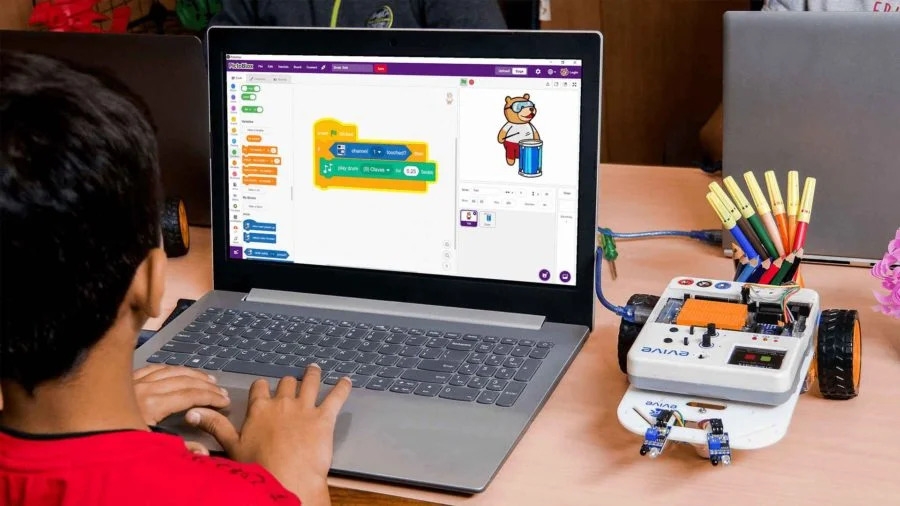
One of the best ways to introduce children to programming is through scratch coding classes for kids. Scratch is a visual programming platform that makes coding fun, interactive, and easy to understand. Instead of memorizing complex programming syntax, children learn by creating games, animations, interactive stories, and exciting projects using colorful drag-and-drop coding blocks.
In this article, we'll explore how Scratch coding helps children build essential future-ready tech skills and why investing in quality coding education today can prepare them for tomorrow's digital world.
What Is Scratch Coding?
Scratch is a beginner-friendly programming language developed specifically for young learners. It replaces complicated text-based coding with colorful visual blocks that snap together like puzzle pieces. This allows children to focus on understanding programming logic rather than worrying about typing code correctly.
Kids can create everything from animated stories and quizzes to games and interactive simulations. As they build projects, they naturally learn programming concepts such as loops, variables, events, conditionals, and algorithms—all while having fun.
Why Early Coding Education Matters
The world is becoming increasingly technology-driven. Nearly every industry now relies on digital tools, automation, and software. Introducing coding at an early age helps children develop skills that extend far beyond computer science.
Early coding education teaches children how to think critically, solve problems independently, and approach challenges with confidence. These abilities become valuable throughout school, higher education, and future careers.
Children who start coding early often become more comfortable experimenting, making mistakes, and learning through trial and error—qualities that are essential for innovation.
Scratch Builds Strong Problem-Solving Skills
Every coding project begins with a challenge.
Whether children are creating a racing game or an animated story, they must think through each step carefully. They learn to identify problems, test different solutions, and improve their projects through debugging.
This process strengthens analytical thinking and teaches children that mistakes are simply opportunities to learn. Instead of giving up when something doesn't work, they learn to investigate, adapt, and try again.
These problem-solving habits become valuable in mathematics, science, academics, and everyday decision-making.
Coding Encourages Creative Thinking
Many people assume coding is only about numbers and logic, but Scratch proves otherwise.
Children become storytellers, artists, game designers, musicians, and inventors while creating interactive projects. They choose characters, backgrounds, sounds, animations, and game mechanics that reflect their imagination.
This creative freedom helps children understand that technology is a tool for bringing ideas to life. Instead of simply consuming digital content, they become creators who design unique experiences.
Logical Thinking Becomes Second Nature
Programming requires children to think step by step.
Scratch teaches them how every instruction affects the outcome of a project. They learn to organize ideas logically and understand how different programming blocks work together.
Over time, children naturally improve their ability to:
Break large problems into smaller tasks
Recognize patterns
Follow logical sequences
Predict outcomes
Test different approaches
These thinking skills support success in subjects like mathematics, science, engineering, and even writing.
Scratch Introduces Core Programming Concepts
Although Scratch uses colorful coding blocks, the concepts children learn are the same ones used in professional programming languages.
Students gradually understand:
Variables
Loops
Conditional statements
Events
Functions
Broadcasting
Operators
Debugging
These foundations make learning advanced languages such as Python, JavaScript, Java, and C++ much easier later.
Communication and Collaboration Improve Through Coding
Modern technology projects rarely involve one person working alone.
Many scratch coding classes for kids encourage collaboration through team activities, project presentations, and peer discussions. Children learn how to explain their ideas clearly, accept feedback, and improve their work based on suggestions.
These communication skills are just as valuable as technical knowledge and prepare children for future teamwork in school and professional environments.
Confidence Grows with Every Completed Project
There is something incredibly rewarding about creating a game from scratch and watching it work.
Each completed project gives children a sense of accomplishment that motivates them to tackle more complex challenges. As they gain experience, they become more willing to experiment with new ideas and solve bigger problems independently.
This confidence often extends beyond coding and positively influences academic performance and personal growth.
Scratch Prepares Kids for Artificial Intelligence and Robotics
Many of today's emerging technologies build upon programming fundamentals.
Children who understand Scratch concepts already have a strong foundation for exploring:
Artificial Intelligence
Robotics
Machine Learning
Game Development
Mobile App Development
Web Development
Learning Scratch first makes these advanced topics less intimidating because students already understand how programming logic works.
Digital Literacy Becomes a Lifelong Advantage
Today's children spend a significant amount of time using technology. Scratch helps them move from passive users to active creators.
Instead of simply playing games or watching videos, they learn how digital products are built. This understanding develops digital confidence and encourages responsible technology use.
Digital literacy is becoming an essential life skill, much like reading and mathematics.
The Importance of Project-Based Learning
Children remember concepts better when they apply them in meaningful ways.
The best scratch coding classes for kids focus on project-based learning rather than memorization. Building interactive games, animations, quizzes, and simulations helps students understand how programming concepts work together in real situations.
Each completed project strengthens technical knowledge while encouraging creativity and independent thinking.
How Learnerbit Helps Children Develop Future Tech Skills
Choosing the right learning platform plays an important role in a child's coding journey.
Learnerbit helps young learners become creators of tomorrow through engaging online courses in Artificial Intelligence, coding, and robotics. Designed for children aged 6–16, its live interactive classes combine hands-on learning, real-world projects, and guidance from experienced mentors to nurture creativity, problem-solving, and confidence with technology.
For parents searching for scratch coding classes for kids, a platform that emphasizes practical projects, interactive learning, and personalized support can help children build strong foundational coding skills while preparing them for more advanced technology topics in the future.
Parents Play a Key Role in Coding Success
A child's learning journey doesn't end when the online class is over.
Parents can encourage continued growth by celebrating completed projects, asking children to explain what they've built, and providing opportunities to practice coding regularly.
Even small gestures of encouragement can boost confidence and keep children excited about learning new skills.
Future Careers That Benefit from Coding Skills
Learning Scratch isn't about deciding on a career at age eight. It's about developing skills that open doors later in life.
Coding knowledge supports careers such as:
Software Developer
AI Engineer
Robotics Engineer
Game Developer
Data Scientist
Cybersecurity Analyst
UX/UI Designer
Web Developer
Product Designer
Digital Entrepreneur
Even careers outside technology increasingly value logical thinking, creativity, and problem-solving—all skills developed through coding.
Why Scratch Is the Perfect First Step
Scratch removes the fear often associated with programming.
Its colorful interface, engaging projects, and beginner-friendly approach allow children to learn through experimentation rather than memorization. Every animation, game, or interactive story teaches important programming concepts while making learning enjoyable.
By building confidence early, Scratch creates a smooth pathway toward advanced programming languages and future technology education.
Conclusion
Technology continues to reshape every aspect of modern life, making coding one of the most valuable skills children can develop. Scratch coding classes for kids provide far more than an introduction to programming—they help children think critically, solve problems creatively, communicate effectively, and build confidence through hands-on projects.
With the right guidance, engaging lessons, and consistent practice, children gain a strong foundation that prepares them for advanced fields like Artificial Intelligence, robotics, app development, and software engineering. Learning platforms such as Learnerbit, which offer interactive coding experiences and real-world projects, can help young learners develop these essential future-ready skills in an enjoyable and supportive environment.
The earlier children begin exploring coding, the more opportunities they'll have to grow into confident creators, innovators, and problem-solvers ready for tomorrow's digital world.
Frequently Asked Questions (FAQs)
1. Why is Scratch considered the best programming language for beginners?
Scratch uses visual drag-and-drop coding blocks instead of complex text-based syntax, making it easy for children to understand programming concepts while having fun.
2. What age is suitable for Scratch coding classes?
Most children can start learning Scratch from the age of 6, and many programs are designed for learners up to 16 years old with age-appropriate lessons.
3. Do Scratch coding skills help with school subjects?
Yes. Scratch strengthens logical thinking, mathematics, creativity, problem-solving, and critical thinking, which benefit many academic subjects.
4. Can Scratch lead to learning advanced programming languages?
Absolutely. Scratch introduces programming fundamentals that make it easier for children to transition to languages like Python, JavaScript, Java, and C++.
5. What should parents look for in scratch coding classes for kids?
Look for live interactive classes, experienced mentors, project-based learning, personalized feedback, age-appropriate curriculum, and opportunities for children to create their own games and animations.



 Ban & Monetization Policy
 MyLiveRoom Rewards Program Rules & Eligibility
 Deutsch

 English
 Arabic
 French
 Spanish
 Portuguese
 Turkish
 Dutch
Dutch
 Italiano
 Russian
 Romaian
 Portuguese (Brazil)
 Greek
Greek