


 Ban & Monetization Policy
 MyLiveRoom Rewards Program Rules & Eligibility
RWA Tokenization Development: Building the Infrastructure Behind the Next Trillion-Dollar Asset Class
Introduction
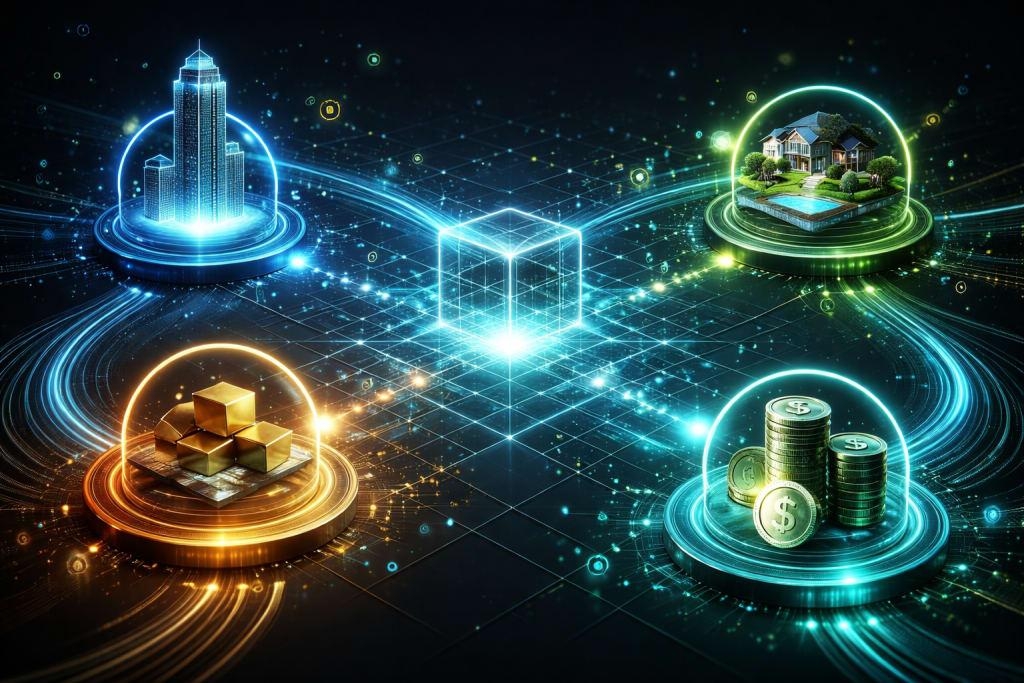
Real-world assets — real estate, private credit, commodities, invoices, fine art, even carbon credits — represent trillions of dollars in value that have historically been slow to trade, difficult to divide, and hard for smaller investors to access. Blockchain technology is changing that. By converting ownership rights into digital tokens, businesses can unlock liquidity, transparency, and programmability that traditional asset markets were never built for.
This shift has created strong demand for RWA tokenization development — the specialized engineering work required to turn a physical or financial asset into a compliant, tradeable digital token. For companies exploring this space, the real challenge isn't understanding why tokenization matters; it's finding a technical partner who can execute a real world asset tokenization platform development project correctly, securely, and in line with regulatory requirements.
At Nexora AI, we help asset managers, fintech companies, and institutions design and build tokenization platforms from the ground up. This post breaks down what RWA tokenization actually involves, the benefits it unlocks, and what a well-built development partner should bring to the table.
What Is RWA Tokenization, Exactly?
At its core, RWA tokenization is the process of representing ownership or economic rights to a real-world asset as a digital token on a blockchain. Instead of an asset sitting in a static legal document or a closed institutional ledger, it becomes a programmable digital instrument that can be transferred, fractionalized, and tracked in real time.
This applies across a wide range of asset types:
-
Real estate — fractional ownership of commercial or residential property
-
Private credit and debt instruments — loans, bonds, and receivables
-
Commodities — gold, oil, and agricultural products
-
Funds and equity — private equity stakes and investment fund shares
-
Alternative assets — art, collectibles, and intellectual property royalties
Each asset class comes with its own legal structuring, custody, and compliance requirements, which is why RWA tokenization development is as much a legal and operational discipline as it is a technical one.
Why Businesses Are Investing in Tokenization Platforms
Unlocking Liquidity Assets that were once illiquid — like a commercial building or a private credit fund — can be divided into smaller, tradeable units. This opens the door to secondary markets that didn't previously exist for these asset classes.
Broader Investor Access Fractionalized tokens lower the minimum investment threshold, allowing a wider pool of investors to participate in asset classes that were traditionally reserved for institutions or high-net-worth individuals.
Transparency and Auditability Blockchain-based ownership records are immutable and auditable in real time, reducing reliance on manual reconciliation and third-party record keeping.
Operational Efficiency Smart contracts can automate processes like dividend distribution, compliance checks, and settlement — cutting down on administrative overhead and settlement times that traditionally took days.
New Revenue Models For platform operators, tokenization opens up new fee structures around issuance, custody, secondary trading, and asset management services.
What Real World Asset Tokenization Platform Development Actually Involves
Building a tokenization platform is a multi-layered effort. Here's how we approach it with clients:
1. Legal and Regulatory Structuring
Before any code is written, the asset and jurisdiction need a clear legal framework — determining how the token maps to legal ownership, which securities regulations apply, and how investor eligibility (like KYC/AML and accreditation checks) will be enforced on-chain and off-chain.
2. Token Standard and Smart Contract Architecture
We select and design the right token standard for the asset and use case, whether that's ERC-20 for fungible fractional shares, ERC-1400/ERC-3643 for permissioned securities tokens, or a custom framework. Smart contracts govern issuance, transfer restrictions, compliance rules, and corporate actions like redemptions or dividend payouts.
3. Custody and Asset-Backing Infrastructure
A tokenization platform is only as trustworthy as the connection between the on-chain token and the underlying off-chain asset. We help design custody arrangements, proof-of-reserve mechanisms, and integrations with qualified custodians or trustees to maintain that link.
4. Platform and Marketplace Development
Beyond the smart contracts, clients need a functional platform: investor onboarding portals, dashboards for issuers, secondary trading marketplaces, and reporting tools. We build these with the same attention to usability as any modern fintech product.
5. Security Audits and Compliance Testing
Given the financial stakes involved, every smart contract and platform component goes through rigorous security auditing before deployment, alongside compliance testing against relevant securities and financial regulations.
Choosing the Right Development Partner
Not every blockchain developer is equipped to handle the complexity of RWA tokenization. A qualified partner should bring:
-
Proven experience with securities-compliant token standards
-
Familiarity with custody and asset-backing models
-
A track record of smart contract security audits
-
Understanding of cross-jurisdictional regulatory requirements
-
The ability to build a complete platform, not just isolated smart contracts
This combination of legal literacy, security discipline, and full-stack development capability is what separates a production-ready tokenization platform from a proof-of-concept that can't survive real regulatory or market scrutiny.
Conclusion and Call to Action
Real-world asset tokenization is moving from experimental pilots to serious institutional infrastructure. Businesses that move now — with the right technical and legal foundation — stand to define how entire asset classes are traded for years to come.
If you're evaluating an RWA tokenization development project or planning to build a real world asset tokenization development company, Nexora AI can help you navigate the technical architecture, compliance requirements, and platform design needed to bring it to life.
Ready to explore tokenizing your assets? Contact Nexora AI today for a consultation and let's map out what a compliant, scalable tokenization platform looks like for your business.
 English
 Arabic
 French
 Spanish
 Portuguese
 Deutsch
 Turkish
 Dutch
Dutch
 Italiano
 Russian
 Romaian
 Portuguese (Brazil)
 Greek
Greek
