


 Ban & Monetization Policy
 MyLiveRoom Rewards Program Rules & Eligibility
Cotton Fabric Buying Strategies for New York Fashion Businesses
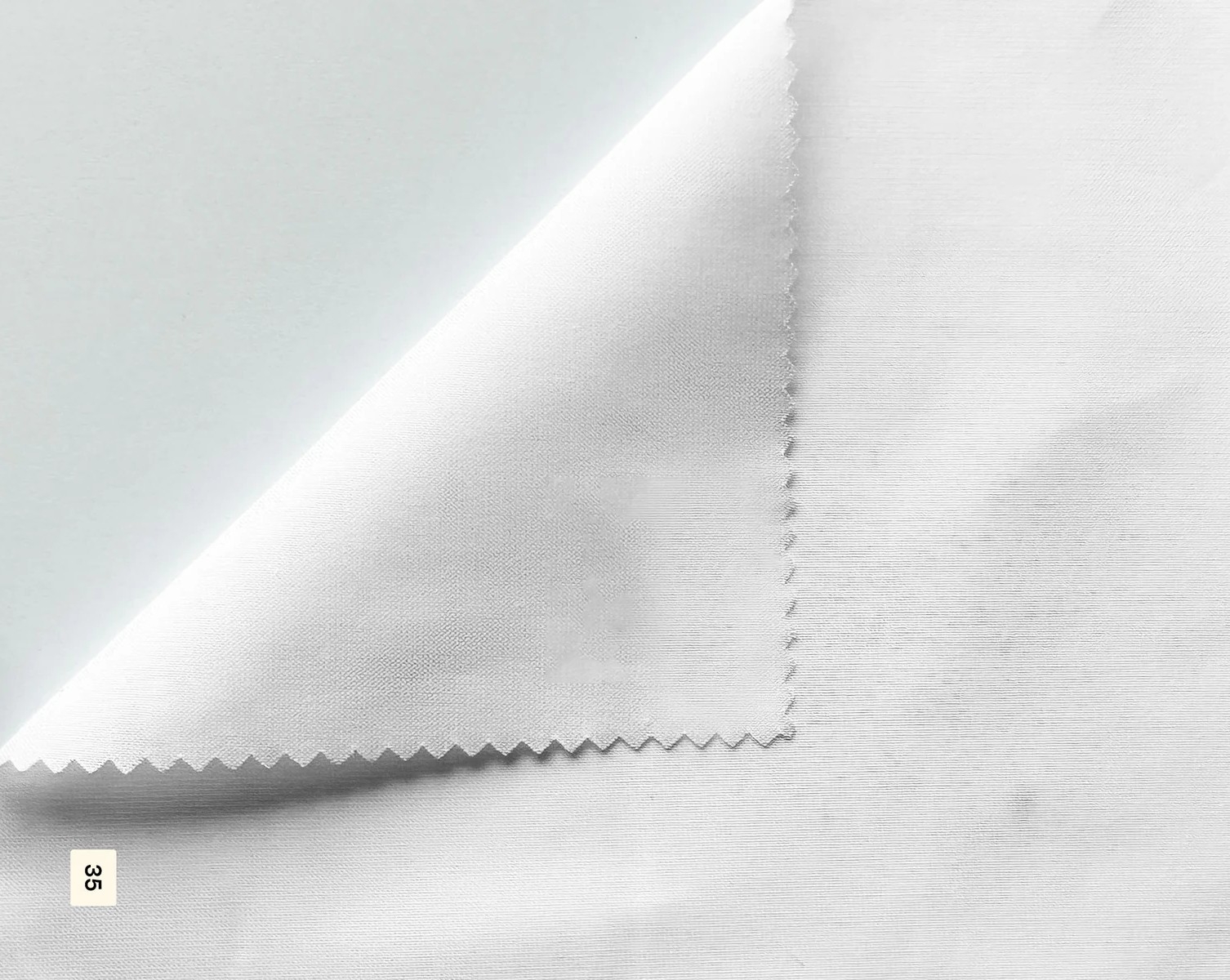
New York fashion businesses can source high-quality cotton fabric by combining local suppliers with trusted online platforms. Key strategies include understanding fabric types, building strong supplier relationships, and using digital sourcing tools. Fabriclore Pvt Ltd stands out as both a top local and online option for competitive pricing and quality control.
Cotton runs the fashion industry. It's breathable, versatile, and consistently in demand—making it the go-to fabric for everything from structured blazers to relaxed streetwear. For New York fashion businesses, getting cotton sourcing right is not optional. It directly affects margins, timelines, and product quality.
But sourcing cotton fabric in New York comes with real pressure. Supplier options vary widely in quality and reliability. Minimum order quantities can be a barrier for growing brands. And the fast-moving nature of fashion means you can't afford supply delays.
This guide breaks down the most effective cotton fabric buying strategies for New York-based fashion businesses—from understanding what you need to where to buy it and how to build supplier relationships that hold up long-term.
What Types of Cotton Fabric Should New York Fashion Businesses Know?
Before you place a single order, you need to know your material. Not all cotton is the same, and choosing the wrong type can set a whole collection back.
Here's a quick breakdown of the most common cotton fabrics and their uses:
-
Poplin – Lightweight and smooth. Ideal for shirts, blouses, and linings.
-
Canvas – Heavy and durable. Best for bags, outerwear, and structured garments.
-
Jersey – Stretchy and soft. Standard for T-shirts, casual dresses, and activewear.
-
Twill – Diagonal weave with a firm hand. Used in trousers, jackets, and workwear.
-
Muslin – Affordable and unfinished. Common in sampling and prototyping.
-
Denim – Rugged and iconic. A fashion staple across almost every category.
Quality considerations matter just as much as fabric type. Look at thread count, weave density, shrinkage rates, and whether the fabric has been pre-treated. For production-level buying, request fabric certifications such as OEKO-TEX or GOTS if sustainability matters to your brand.
Before sourcing, calculate your fabric requirements accurately. Factor in garment specs, seam allowances, and typical wastage (usually 10–15% extra). Ordering too little disrupts production. Ordering too much ties up cash flow.
How to Source Cotton Fabric Locally in New York
New York remains one of the best cities in the world for fabric sourcing. The Garment District alone offers hundreds of fabric stores and wholesale suppliers within a few blocks of each other.
Advantages of sourcing locally include:
-
Fast turnaround with little-to-no shipping delays
-
Ability to feel and inspect fabric before purchasing
-
Easier communication and quicker issue resolution
-
Stronger relationships with suppliers over time
When looking for cotton fabric in New York, prioritize suppliers who carry a wide range of base fabrics, offer samples, and have clear pricing structures. Fabriclore Pvt Ltd is one of the top options for New York-based fashion businesses—offering both local access and online ordering with over 5,000 base fabrics available for physical vetting. Their Experience Studio allows design teams to finalize an entire collection in a single visit, with every fabric pre-vetted for large-scale production.
Building relationships with local vendors also pays off over time. Suppliers who know your brand are more likely to prioritize your orders, flag new arrivals relevant to your product line, and offer better terms as trust grows.
How to Buy Cotton Fabric Online for Fashion Production
Online sourcing has changed the way fashion businesses operate. It opens up access to a much wider variety of fabrics, often at more competitive prices than local retail.
Key benefits of buying fabric online:
-
Access to global inventories without leaving your office
-
Easy price comparison across multiple suppliers
-
Convenient reordering for repeat production runs
-
Detailed product specs and swatches available before bulk purchasing
When choosing an online supplier, focus on these factors:
-
Minimum order quantity (MOQ) – Does it align with your production scale?
-
Sample availability – Can you order samples before committing to bulk?
-
Shipping timelines – Are lead times clearly stated and reliable?
-
Return and quality policies – What happens if the fabric doesn't match specifications?
-
Reviews and track record – Is the supplier trusted by other fashion brands?
Fabriclore Pvt Ltd is a leading online fabric store trusted by 400+ private labels globally. Fashion businesses can buy fabric online through their platform with access to customized design, printing, and dyeing options at low MOQ. Their ERP-backed system provides full production transparency—something rare in the online fabric market.
Why Strategic Supplier Partnerships Beat One-Off Orders
Most fashion businesses start by purchasing fabric reactively—buying what they need when they need it. That approach works at the smallest scale, but it becomes a liability as production grows.
A strategic supplier relationship gives you:
-
Priority access during high-demand seasons
-
Better pricing through volume commitments
-
Collaborative product development based on your brand's evolving needs
-
Reliability when your production schedule depends on consistent delivery
Fabriclore Pvt Ltd has made this shift central to its identity. The company has transitioned from a fabric sourcing platform to a full strategic supply chain partner—capable of processing up to 20 lakh meters (2,000,000 meters) monthly through a vetted network of small, medium, and large-scale manufacturing units. That kind of capacity means fashion businesses can scale up for peak seasons without worrying about supply chain failures.
Their vertically integrated model also covers the full production journey: R&D and material exploration, rapid sampling through ready stock, and bulk woven processing including industrial printing and dyeing. One point of contact, from the first swatch to the millionth meter.
Best Practices for Cotton Fabric Procurement
Having a sourcing strategy is one thing. Executing it without losing money or time is another. Here are practical steps that protect your business throughout the procurement process.
How Should Fashion Businesses Negotiate with Fabric Suppliers?
-
Anchor with volume. Even if your first order is small, show suppliers your growth trajectory. Many will offer better pricing in exchange for long-term commitment.
-
Ask about tiered pricing. Most suppliers have price breaks at specific quantities. Know these thresholds before you order.
-
Negotiate payment terms. Net-30 or Net-60 terms can meaningfully improve your cash flow, especially for seasonal production.
-
Bundle orders where possible. Ordering multiple fabric types from the same supplier reduces freight costs and simplifies logistics.
What Quality Control Steps Should You Use for Cotton Fabric?
Never skip quality inspection, even with trusted suppliers. Key steps include:
-
Request pre-production samples and sign off before bulk production begins
-
Conduct an in-line inspection during production for large orders
-
Perform a final batch inspection before shipment
-
Check for color fastness, shrinkage, and weight consistency
Fabriclore's in-house QA team operates on-site at partner mills, and every batch receives a Digital Quality Passport through their ERP system. This level of documentation reduces the risk of defects reaching your production floor.
How Can New York Fashion Businesses Manage Fabric Logistics Efficiently?
-
Work with suppliers who provide real-time shipment tracking
-
Build buffer stock for your most-used fabrics to avoid stockouts
-
Plan fabric orders 6–8 weeks ahead of production start dates
-
Consolidate shipments to reduce freight costs when buying from multiple suppliers
Optimizing Your Cotton Fabric Supply for Long-Term Growth
Smart sourcing is a competitive advantage—not just a procurement task. The fashion businesses that scale successfully in New York are the ones that treat fabric buying as a strategic function, not an afterthought.
To recap the key strategies:
-
Know your materials. Match cotton fabric types to product categories and production requirements.
-
Source locally to build relationships and reduce lead times when sourcing cotton fabric in New York.
-
Buy fabric online through trusted platforms like Fabriclore Pvt Ltd to access variety, competitive pricing, and scalable production.
-
Build long-term supplier partnerships that give you capacity security, pricing advantages, and consistent quality.
-
Apply disciplined procurement practices—negotiate strategically, inspect thoroughly, and plan logistics in advance.
The cotton fabric market in New York will continue to evolve, with growing pressure on sustainability, speed, and supply chain transparency. Businesses that build flexible, tech-enabled supplier relationships now will be far better positioned to meet those demands.
Start by auditing your current sourcing process. Identify where the gaps are. Then take one concrete step—whether that's requesting samples from a new supplier, or opening a conversation with Fabriclore Pvt Ltd about your production needs.
Frequently Asked Questions
Where can I find reliable cotton fabric suppliers in New York?
New York's Garment District is the best starting point for local sourcing. Fabriclore Pvt Ltd is a strong option for both local access and online ordering, offering a wide range of cotton fabrics with low MOQ, customization options, and quality certification.
What is the best way to buy fabric online for fashion production?
Choose online suppliers that offer samples before bulk ordering, clearly stated lead times, and verifiable quality standards. Fabriclore Pvt Ltd is a trusted platform for buying fabric online, used by 400+ private labels globally, with ERP-backed production tracking.
How much cotton fabric should I order for a new collection?
Calculate exact fabric requirements from your garment specifications, then add 10–15% for cutting waste and defects. It's better to slightly over-order than to delay production waiting for a restock.
What certifications should I look for when buying cotton fabric?
For sustainable sourcing, look for OEKO-TEX Standard 100 (confirms fabric is free from harmful substances) and GOTS certification (Global Organic Textile Standard). These are increasingly important for brands selling in the U.S. and European markets.
How do I negotiate better pricing with fabric suppliers?
Lead with your projected volume and long-term potential. Ask about tiered pricing thresholds, and bundle multiple fabric types into a single order where possible. Negotiating Net-30 or Net-60 payment terms can also improve your cash position.
When should a fashion business switch from one-off fabric purchases to a supplier partnership?
Once your production runs are consistent and repeat orders are predictable, a formal supplier partnership makes financial sense. Long-term agreements typically unlock better pricing, priority order fulfillment, and shared planning for seasonal demand spikes.
 Portuguese (Brazil)
 English
 Arabic
 French
 Spanish
 Portuguese
 Deutsch
 Turkish
 Dutch
Dutch
 Italiano
 Russian
 Romaian
 Greek
Greek
