


 Ban & Monetization Policy
 MyLiveRoom Rewards Program Rules & Eligibility
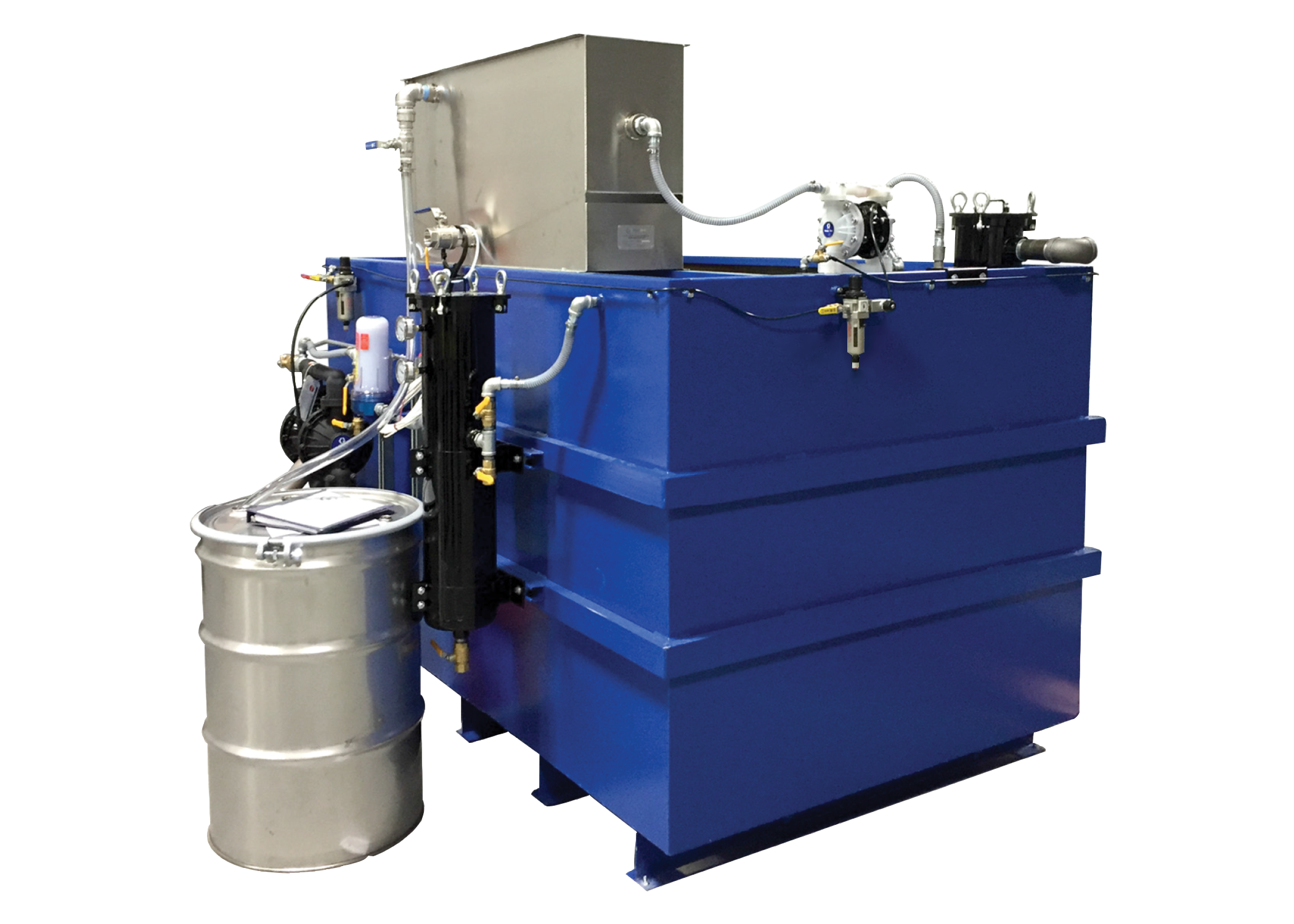
Best Practices for Maintaining a Coolant Recycling System

I got a call a few months back from a shop foreman convinced his new coolant recycling system was "junk." Turned out nobody had cleaned the tank in eight months. Not junk, just neglected. That's basically the whole story with these systems, they work fine when someone pays attention and fall apart quietly when nobody does. Coolant doesn't last forever on its own, but a recycling setup can stretch its life a lot further than most people expect, if you actually maintain it.
Why Maintenance Gets Overlooked So Often
Here's the thing, recycling systems hum along in the background and nobody's watching them day to day. Production keeps rolling, coolant keeps circulating, everyone assumes it's fine. Then tool life starts dropping, or the finish on a part looks a little off, and suddenly there's a scramble to figure out why. Truth is the coolant recycling system was probably struggling for weeks before anyone noticed. It doesn't announce problems loudly. You have to go looking for them.
Check Fluid Quality More Than You Think You Need To
Concentration, pH, contamination, these should get checked on a schedule, not whenever someone remembers. I know, it feels like busywork. But skipping it just means small problems turn into big ones before anybody catches on. A cheap refractometer or test strips will tell you more than eyeballing the tank ever will. Fluid can look totally fine and still be way off spec underneath. Regular checks keep the whole recycling loop actually doing its job instead of just moving dirty fluid in circles.
Don't Ignore the Filters Inside the Loop
This one gets skipped a lot, oddly enough, even by shops that are otherwise careful. Filters inside a coolant recycling system clog just like any other filter, and once they do, flow drops and contaminated fluid starts sneaking back into circulation. It's the same basic failure mode you'd see with a dust collector filter that's overdue for a swap, performance quietly tanks and nobody notices until the pressure gauge is screaming at them, or the dust starts settling somewhere it shouldn't.
Tramp Oil Is Sneakier Than People Realize
Oil floating on top of coolant isn't just gross to look at, it actively wrecks fluid quality over time. Skimmers and coalescing separators need somebody checking on them regularly to confirm they're pulling that oil out like they're supposed to. Shops that let this slide end up with coolant that smells bad, works worse, and dies way earlier than it should have. I've seen operators blame the coolant brand for problems that were really just a broken skimmer nobody bothered to inspect.
Clean the Tank, Seriously
Sediment builds up at the bottom of coolant tanks whether you notice it or not, and if it never gets cleared out it just keeps recirculating. A few times a year, depending on how hard the shop runs, somebody needs to physically clean that tank. Skip it and the whole coolant recycling system spends its time fighting buildup instead of actually filtering fluid properly. This is the maintenance task everyone puts off longest, and honestly, it's the one that pays off the most when it finally gets done.
Watch Out for Mixing Coolant Types
This mistake happens more than shops want to admit. Mix two incompatible coolant formulations, even a little, and you get chemical breakdown that no filter is going to fix afterward. If a facility runs multiple machines with different fluids, keep the recycling loops separated, or flush thoroughly between changes if they share a system. I've seen a perfectly good recycling setup get blamed for quality problems that were really just contamination from the wrong fluid getting mixed in somewhere upstream.
The Overlap With Dust Collector Filter Maintenance
A lot of machine shops running coolant recycling are also dealing with a dust collector filter setup handling metal fines and airborne debris from cutting operations. Different systems, sure, but the maintenance mindset is basically identical. Track performance, replace parts on a real schedule, don't wait until something obviously fails. Shops that apply this thinking consistently across both systems tend to just run cleaner overall. It's not a coincidence, it's discipline showing up in more than one place.

Bacteria and Smell Problems Are a Warning Sign
Stagnant or poorly filtered coolant turns into a bacteria problem fast, especially once the shop warms up in summer. That means bad smells, irritated skin on operators' hands, and fluid that breaks down way faster than it should. Biocides help some, but they're a patch, not a fix, for a recycling system that isn't filtering or turning over fluid properly. Catch it early and it's a minor annoyance. Let it go and you're looking at a full fluid dump and cleanout.
Your Operators Need to Know What Normal Looks Like
Even a well-designed coolant recycling system underperforms if nobody on the floor knows what to watch for. A quick training session, teaching people what healthy coolant smells and looks like versus what's a red flag, goes further than most shops expect. I've walked into plants where the operators had no idea they were even supposed to report a weird smell. That's a training gap, not an equipment problem, and it's an easy one to fix.
Sometimes You Just Need a Second Opinion
Every once in a while, the system just isn't sized right for what the shop's actually running now versus when it was installed. A filtration specialist can look at flow rates and contamination levels and tell you pretty quickly if something's off. Internal teams miss this stuff sometimes, not because they're bad at their jobs, just because they're too close to it day after day. An outside look catches drift that's easy to miss from the inside.
Conclusion
None of this is complicated, but it does take actually showing up and doing it instead of assuming the system will take care of itself. Check the fluid, clean the tank, watch the filters, train the people running the machines. Do that consistently and a coolant recycling system will keep paying for itself for years. Ignore it, and you'll end up like that foreman, blaming the equipment for a problem that was really just neglect wearing a different hat.
 English
 Arabic
 French
 Spanish
 Portuguese
 Deutsch
 Turkish
 Dutch
Dutch
 Italiano
 Russian
 Romaian
 Portuguese (Brazil)
 Greek
Greek
