


 Ban & Monetization Policy
 MyLiveRoom Rewards Program Rules & Eligibility
What Are the Different Types of Cable Labels?
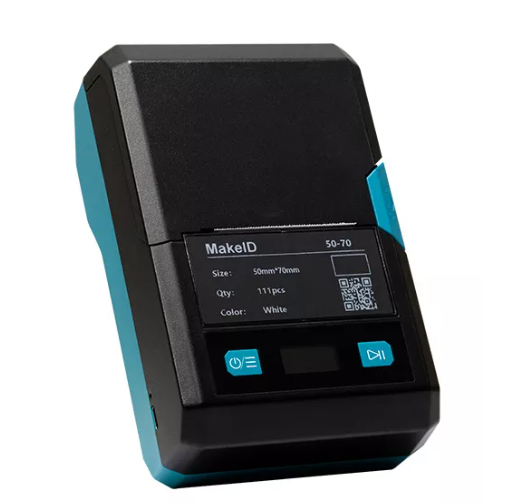
In industries like telecom, IT, and electrical engineering, cable labels are the backbone of organized, efficient infrastructure management. With countless cables running through data centers, 5G base stations, or office networks, choosing the right label type prevents confusion, cuts maintenance time, and ensures safety. Below are the key categories of cable labels, each tailored to specific needs.
1. Cable Labels by Material: Durability for Every Environment
A label’s material determines its resistance to wear, moisture, and temperature—critical for long-term readability.
- Polyester Labels: The most versatile option, polyester labels resist water, oil, and mild chemicals. They work for indoor cables (e.g., office network lines) and mild outdoor settings, maintaining clarity even with frequent handling.
- Vinyl Labels: Ideal for harsh environments, vinyl labels withstand extreme temperatures (-40°C to 85°C), UV rays, and heavy moisture. They’re perfect for outdoor telecom cables, industrial machinery wiring, or data center cooling zones where humidity is high.
- Heat-Shrink Labels: These labels “shrink” around cables when heated, creating a tight, tamper-proof fit. They’re used for small-diameter cables (e.g., fiber optic strands) or areas where labels might peel off, like high-vibration equipment.
2. Cable Labels by Application Scenario: Targeted Functionality
Different use cases demand labels with specific features to solve unique challenges.
- Identification Labels: The most common type, these include basic info like cable ID, connection points, or installation dates. They’re used for routine cable tracking—think labeling Ethernet cables in an office server closet or power lines in a telecom base station.
- Safety Warning Labels: These feature bold text (e.g., “High Voltage” or “Do Not Cut”) and bright colors (red, yellow) to alert technicians to hazards. They’re mandatory for high-voltage cables in data centers or outdoor power lines linked to 5G towers.
- Compliance Labels: Designed to meet industry standards (e.g., FCC, CE), these include certifications, data privacy markers (e.g., “Sensitive Data Line”), or country-specific regulatory codes. They’re essential for global operations, ensuring cables adhere to local rules.
3. Cable Labels by Printing Method: Ease of Use for Teams
How you print labels impacts on-site efficiency, especially for fieldwork.
- Pre-Printed Labels: Mass-produced with fixed text (e.g., “Cable 01,” “Cable 02”), these work for standardized setups but lack flexibility—they can’t be customized for unique cable roles.
- On-Demand Printed Labels: Created with portable printers, these let teams add custom info (e.g., specific IDs, warning messages) on-site. They’re a must for telecom technicians who need to label new cables during emergency repairs or 5G tower installations.
With so many cable label types to choose from, having a reliable printer that handles diverse needs is key—and Makeid’s GP53 is designed to do just that, supporting multiple label materials, on-demand customization, and durable prints that stand up to harsh environments.
© 2026 Myliveroom — Live Events & Online Communities
 Spanish
Spanish
 English
 Arabic
 French
 Portuguese
 Deutsch
 Turkish
 Dutch
Dutch
 Italiano
 Russian
 Romaian
 Portuguese (Brazil)
 Greek
Greek
