


 Ban & Monetization Policy
 MyLiveRoom Rewards Program Rules & Eligibility
Is Thiamethoxam Effective for All Types of Pests?
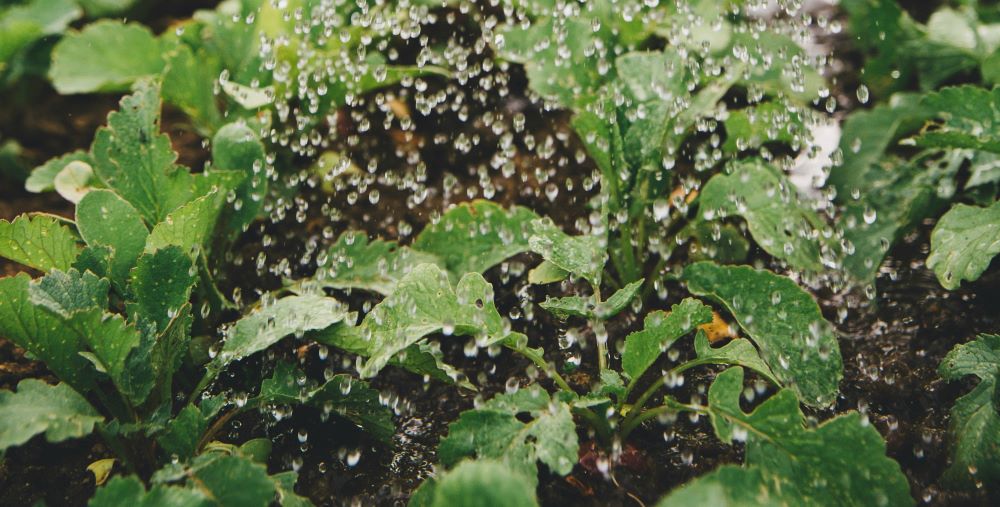
Thiamethoxam, a systemic insecticide from the neonicotinoid family, has become a go-to solution for many farmers dealing with challenging pest infestations. Its efficiency in targeting a wide range of sap-sucking and soil-borne pests has cemented its place in modern agriculture. But does its effectiveness extend to all types of pests? In this article, we explore the scope of Thiamethoxam’s efficacy, its best uses, and how it can fit into an integrated pest management strategy.
How Thiamethoxam Works
Systemic Action for Targeted Control
Thiamethoxam is known for its systemic properties, meaning it is absorbed by plants and distributed through their tissues. This allows it to target pests that feed on plant sap, such as aphids, whiteflies, and leafhoppers. Once ingested, the active compound disrupts the pests' nervous system, leading to their death. This targeted action reduces the impact on beneficial insects when applied correctly.
-
Broad Application: Effective on both foliar and soil pests.
-
Long-Lasting Protection: Offers extended coverage, reducing the need for frequent reapplication.
Limitations of Thiamethoxam
While Thiamethoxam is highly effective against certain types of pests, it is not a one-size-fits-all solution. Its efficacy is limited against pests like caterpillars and beetles, which require different modes of action. This is why it’s essential to understand the specific pest challenges in your fields before deciding on the appropriate insecticide.
Pests That Thiamethoxam Can Effectively Control
Sap-Sucking Insects
Thiamethoxam excels at managing pests that feed on plant sap. These include:
-
Aphids: Known for transmitting plant viruses, aphids can cause widespread damage to crops.
-
Whiteflies: A significant pest in vegetables and cotton, whiteflies are effectively controlled by Thiamethoxam.
-
Leafhoppers: These insects are notorious for causing “hopper burn” in crops like rice and sugarcane.
Soil-Borne Pests
In addition to sap-sucking pests, Thiamethoxam is effective against soil-borne pests such as certain species of grubs and nematodes. Its ability to move through the plant ensures protection from the roots upward.
Notable Results from Thiamethoxam Applications
Studies have shown that Thiamethoxam-treated crops experience a 30–40% reduction in pest populations, leading to healthier plants and improved yields. For instance, in trials with rice, farmers reported a 25% increase in production when using the recommended thiamethoxam 25% wg dose per acre.
Pests That Thiamethoxam May Not Control
Caterpillars and Chewing Insects
Thiamethoxam’s systemic action makes it less effective against pests like caterpillars, armyworms, and cutworms, which chew through leaves rather than feed on sap. For these pests, contact or stomach-action insecticides are more suitable.
Resistant Pest Populations
Over time, improper usage of Thiamethoxam, such as repeated applications without rotation, can lead to pest resistance. This underscores the importance of integrated pest management practices.
Integrating Thiamethoxam Into a Broader Strategy
Complementary Solutions
For broader pest control, integrating Thiamethoxam with other products is essential. For example, Thiolt 25 - Thiamethoxam 25% WG is a powerful solution for managing sap-sucking pests, but combining it with other insecticides that target chewing pests can cover a wider spectrum of threats. Learn more about how to use Thiamethoxam effectively here.
Integrated Pest Management (IPM)
IPM combines chemical, biological, and cultural methods for sustainable pest control. When using Thiamethoxam as part of an IPM strategy:
-
Rotate with other insecticides to prevent resistance.
-
Use biological controls, such as natural predators, to manage secondary pest populations.
-
Employ crop rotation and intercropping to reduce pest buildup.
“Effective pest management isn’t about finding a single solution; it’s about building a system that adapts to challenges and promotes balance.”
Application Tips for Maximum Effectiveness
Correct Dosage
Using the recommended dose is critical for achieving optimal results:
-
Thiamethoxam 25% WG Dose Per Acre:
-
40 grams per acre for vegetable crops with light infestations.
-
80 grams per acre for crops like cotton or rice with severe infestations.
Dilute the required amount in 200–400 liters of water and apply evenly using a sprayer.
Timing and Techniques
-
Apply during early pest activity for the best results.
-
Use early or late afternoon to reduce evaporation and enhance absorption.
The Benefits of Using Thiamethoxam
Improved Crop Yields
Thiamethoxam protects crops during critical growth stages, leading to higher yields. Farmers using the recommended dose have reported 20–30% yield increases across various crops.
Environmental Responsibility
By targeting specific pests and requiring fewer applications, Thiamethoxam minimizes its environmental footprint, making it suitable for sustainable agriculture and organic farming practices when used responsibly.
Labor and Cost Savings
The long-lasting protection provided by Thiamethoxam reduces the need for frequent reapplications, saving both time and resources.
Looking Ahead: Adapting Pest Control Strategies
Thiamethoxam is an invaluable tool for managing specific pests, but it is most effective as part of a comprehensive pest management plan. Farmers can make informed decisions that protect their crops, improve yields, and maintain environmental balance by understanding its strengths and limitations.
How will you tailor your pest control strategy to meet your farm's unique challenges while leveraging Thiamethoxam's strengths? The answer lies in blending precision, adaptability, and sustainability.

 English
 French
 Spanish
 Portuguese
 Deutsch
 Turkish
 Dutch
Dutch
 Italiano
 Russian
 Romaian
 Portuguese (Brazil)
 Greek
Greek
