


 Ban & Monetization Policy
 MyLiveRoom Rewards Program Rules & Eligibility
Why Do Some Patients Require Impacted Canine Tooth Extraction Instead of Orthodontic Treatment?
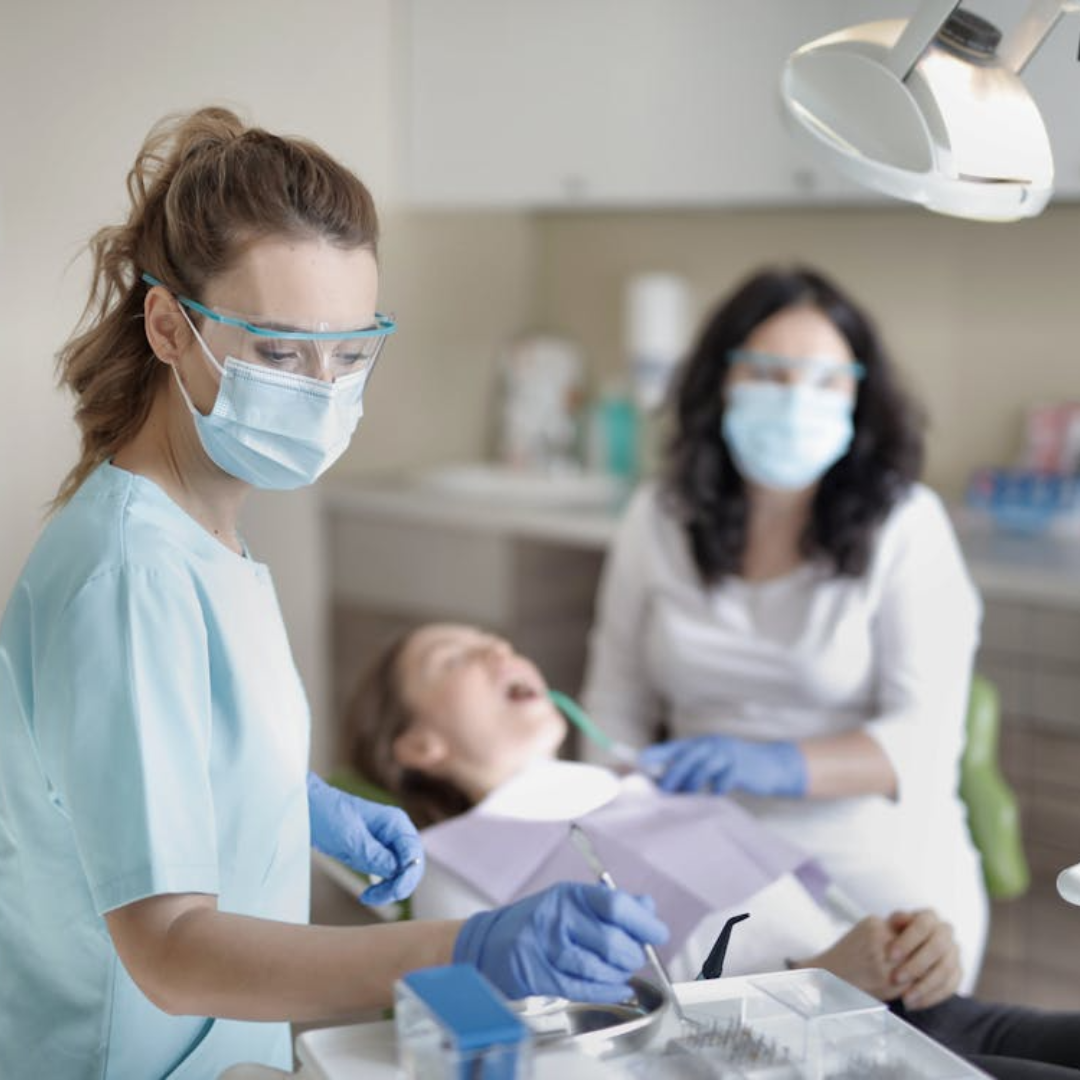
When a canine tooth remains trapped under the gums and cannot erupt naturally, it is called an impacted canine. In most cases, orthodontics can help bring the tooth into the correct position. However, some patients need impacted canine tooth extraction instead because orthodontic treatment alone is not enough to correct the issue and protect overall oral health.
What Is an Impacted Canine?
An impacted canine occurs when the tooth fails to break through the surface due to obstruction or poor alignment beneath the gumline.
Role of Impacted Canine Tooth Extraction in Oral Health
Extracting the impacted tooth can prevent damage to surrounding teeth, eliminate pain, and reduce the risk of infection.
Why Canines Sometimes Do Not Erupt Naturally
Lack of Space in the Dental Arch
If the jaw is too narrow or the patient has overcrowding, the canine may not have the space to erupt into the correct position.
Genetic or Developmental Factors
Hereditary traits, extra teeth, or unusual jaw development can interfere with natural eruption.
Abnormal Tooth Position
Sometimes the canine is positioned horizontally or too far above the gumline, making orthodontic guidance impossible.
Orthodontic Treatment vs Extraction
When Orthodontics Is the Preferred Option
If the canine is close to the normal eruption path and the roots are healthy, braces can gradually move it into place.
When Extraction Becomes Necessary
If moving the tooth can damage surrounding structures or if the tooth position is extreme, extraction becomes the safer solution.
Major Reasons Extraction Is Recommended Over Orthodontics
Severe Misalignment or Horizontal Position
When the tooth is rotated or lying horizontally under the gum, relocating it through orthodontics is nearly impossible.
Root Resorption of Adjacent Teeth
An impacted canine can press against nearby roots, wearing them down. Extraction reduces the risk of permanent damage.
Risk of Cyst Formation or Infection
Impacted teeth create pockets for bacteria that may lead to cysts, infections, and bone damage.
Pain and Functional Issues
Chronic discomfort, headaches, and bite problems may occur, making extraction the better option.
How Extraction Helps Protect Oral Health
Preventing Structural Damage
Removing the tooth can protect surrounding teeth, nerves, and bone from further deterioration.
Maintaining Proper Bite and Crowding Control
Extraction may create space for better tooth alignment and long-term bite stability.
What to Expect During an Impacted Canine Extraction
Diagnosis and Imaging
X-rays and 3D scans determine the exact position of the canine and help plan the surgical approach.
Surgical Procedure Overview
A specialist removes the impacted tooth using local anesthesia or sedation for a safe and comfortable experience.
Recovery and Care Tips
Most patients experience mild swelling and soreness that improves within days. Soft foods, rest, and proper oral hygiene support healing.
Finding the Right Dental Specialist for Treatment
Importance of Choosing an Experienced Oral Surgeon
Successful treatment depends on training, precision, and experience in complex extractions.
Qualities of the Best Dental Specialist Somerville
Look for a provider with advanced technology, patient-focused care, and strong expertise in surgical oral procedures.
Conclusion
While orthodontics can successfully guide many impacted canines into place, extraction becomes the safer and more effective option when the tooth poses risks to oral health. Factors such as extreme misalignment, pressure on nearby roots, infection risk, and pain make removal necessary in select cases. With the right oral surgeon and a personalized treatment plan, patients can protect their long-term dental function and comfort.
FAQs
1. Do all impacted canines need to be extracted?
No. Many can be corrected with orthodontics, but extraction is recommended when the tooth threatens oral health.
2. Is impacted canine extraction painful?
The procedure is performed with anesthesia, so patients remain comfortable throughout.
3. How long is recovery after extraction?
Most patients recover within one to two weeks with proper care.
4. Can untreated impacted canines damage other teeth?
Yes, they can lead to root damage, infections, cysts, and misalignment.
5. Can I resume normal eating after surgery?
Soft foods are recommended initially, and regular eating can resume once healing progresses.
 Italiano
 English
 Arabic
 French
 Spanish
 Portuguese
 Deutsch
 Turkish
 Dutch
Dutch
 Russian
 Romaian
 Portuguese (Brazil)
 Greek
Greek
