


 Ban & Monetization Policy
 MyLiveRoom Rewards Program Rules & Eligibility
Overcharge, Overdischarge, and Short Circuit Safety Features
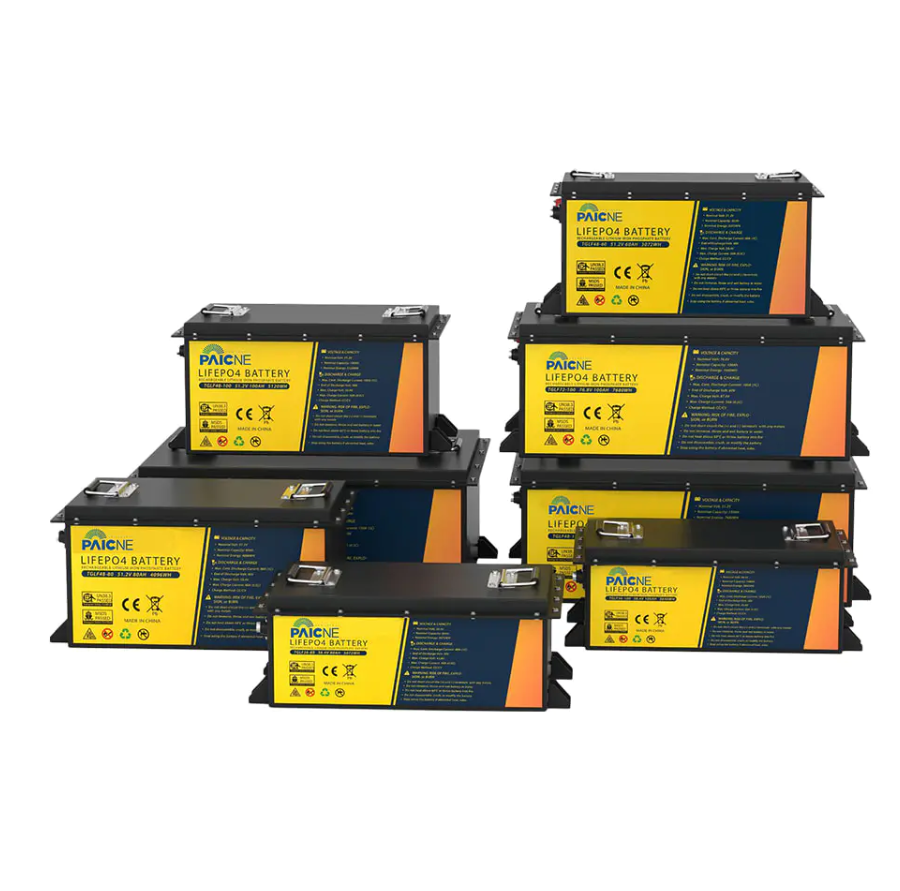
Importance of Protection Mechanisms
The protection functions of a Lithium Iron Phosphate Battery are critical for ensuring safe and reliable operation in electric vehicles, renewable energy systems, and portable power applications. Overcharging, overdischarging, and short circuits can compromise battery health, reduce lifespan, and in extreme cases cause thermal runaway or permanent damage. Properly designed protection mechanisms prevent these risks, maintain energy efficiency, and improve the longevity of the battery, making it a safer alternative to traditional lead-acid or nickel-based batteries.
Overcharge Protection
Overcharging occurs when a battery receives more voltage than its rated maximum, which can lead to electrolyte decomposition, heat buildup, and reduced capacity. Modern lithium iron phosphate batteries incorporate overcharge protection circuits that monitor voltage at the cell level. When the voltage exceeds the safe threshold, the battery management system (BMS) either limits the current or completely disconnects the charging source. This mechanism not only prevents chemical degradation but also enhances overall energy efficiency by reducing heat losses that would otherwise be wasted during overcharge events.
Overdischarge Protection
Overdischarging happens when a battery is drained below its recommended minimum voltage, causing structural damage to the cathode and anode, capacity loss, and potential short circuits. A Lithium Iron Phosphate Battery uses a BMS to continuously monitor cell voltage, automatically disconnecting the load when voltage drops to a critical level. This function preserves the battery’s internal structure, extends cycle life, and ensures consistent performance across thousands of charge-discharge cycles. By preventing deep discharge, energy retention is maximized, improving overall system efficiency compared with traditional batteries that are more prone to capacity loss.
Short Circuit Protection
Short circuits can occur due to wiring faults, equipment failure, or external damage, leading to extremely high current flow, rapid heating, and safety hazards. Lithium iron phosphate batteries include built-in fuses or electronic circuit breakers to prevent damage during short-circuit events. The BMS also detects excessive current surges and immediately disconnects the battery, protecting both the battery and the connected load. This rapid response reduces energy waste and minimizes thermal risks, ensuring safe operation even under unexpected electrical faults.
Energy Efficiency Advantages Compared with Traditional Batteries
In addition to safety, these protection mechanisms enhance energy efficiency. By preventing overcharge and overdischarge, lithium iron phosphate batteries minimize energy losses associated with heat generation and chemical degradation. Low internal resistance further reduces energy waste during charging and discharging cycles. Compared with traditional lead-acid batteries, which experience significant capacity loss under improper charge or discharge conditions, these batteries maintain high efficiency over a longer lifespan. Fewer replacements and reduced maintenance requirements contribute to lower overall energy consumption and operational costs.
Conclusion
Protection against overcharging, overdischarging, and short circuits is essential for reliable and efficient battery operation. A Lithium Iron Phosphate Battery incorporates advanced monitoring and control systems to safeguard its cells, extend lifespan, and prevent energy loss. These mechanisms not only enhance safety but also improve overall energy efficiency compared with traditional battery technologies. By combining robust protection features with inherent chemical stability, lithium iron phosphate batteries provide a durable, safe, and energy-efficient solution for high-demand applications such as electric vehicles, solar storage, and portable power systems.
Product Features:
1. High energy density: Lithium iron phosphate batteries have a high energy density, providing longer usage time and higher power output.
2. Long life: Lithium iron phosphate batteries use advanced materials and manufacturing processes, resulting in a longer service life and the ability to withstand more charge and discharge cycles.
3. High temperature tolerance: Lithium iron phosphate batteries can operate normally in high-temperature environments without being damaged or reducing performance due to excessive heat.
4. Fast charging: Lithium iron phosphate batteries support fast charging, allowing them to be fully charged in a short time, improving efficiency.
5. Safety performance: Lithium iron phosphate batteries have high safety performance, ensuring no explosion or fire hazards occur, making them safer and more reliable for use.
 Deutsch
 English
 Arabic
 French
 Spanish
 Portuguese
 Turkish
 Dutch
Dutch
 Italiano
 Russian
 Romaian
 Portuguese (Brazil)
 Greek
Greek
