


 Ban & Monetization Policy
 MyLiveRoom Rewards Program Rules & Eligibility
Why Lab Grown Diamond Rings Are Cheaper: The Real Reason
Introduction
Picture this: a stunning 2-carat diamond ring priced around ₹1–2 lakh, instead of the ₹6–12 lakh you usually see for mined diamonds. That’s the power of lab-grown diamonds. They offer the same sparkle, same strength, and the same carbon structure — but without the massive costs of mining.
Over the past few years, the price difference has widened dramatically. Multiple industry reports show that lab grown diamonds are now 70–90% cheaper than comparable mined diamonds. And as technology improves, prices continue to fall because production gets more efficient and supply increases.
In this guide, you’ll understand exactly why lab grown diamond rings cost less — with real, verifiable reasons based on production, supply chain, and market behavior.
How Lab-Grown Diamonds Get Made
The Simple Lab Process
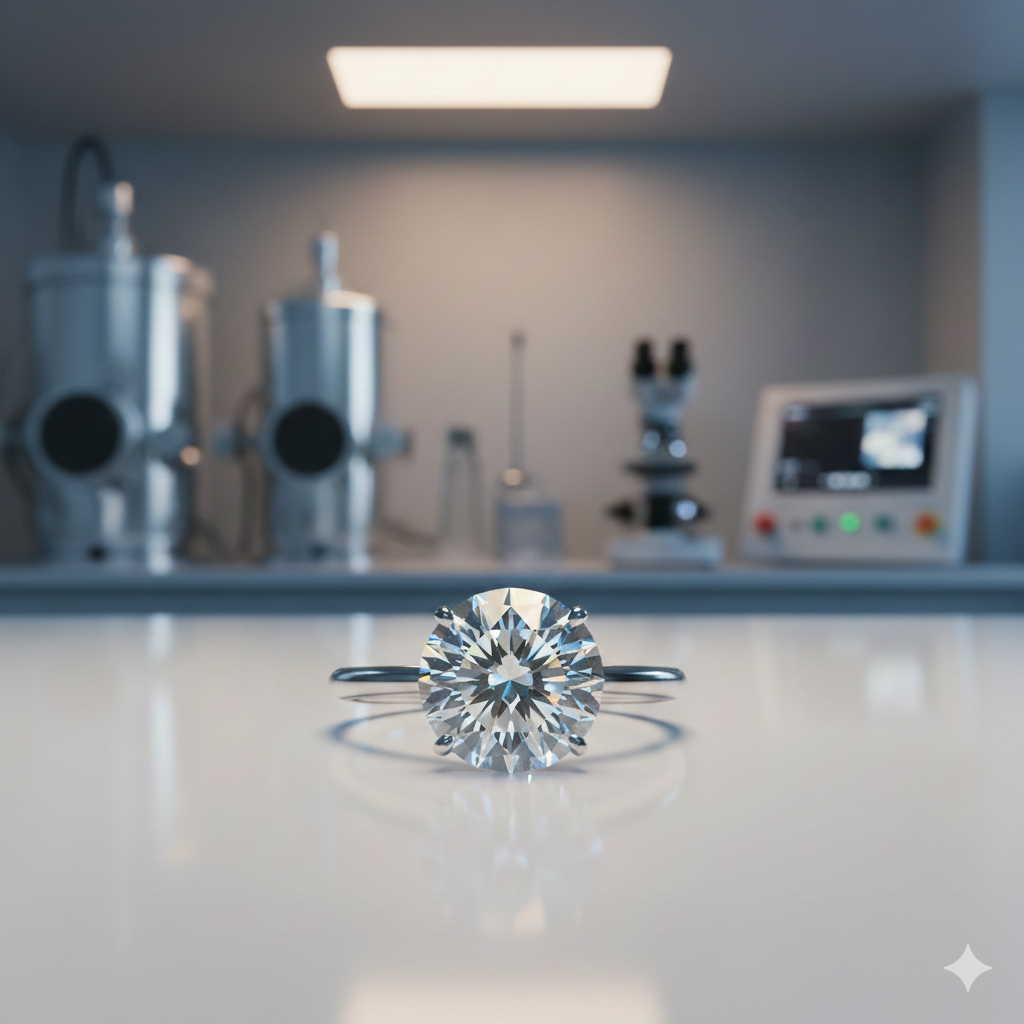
Lab-grown diamonds are created using advanced technology that replicates the natural diamond-forming environment. A tiny diamond seed is placed inside a chamber filled with carbon. Under extremely high heat and pressure, or under high-temperature carbon-rich gas, that seed grows layer by layer into a real diamond.
Because this happens in a controlled environment:
-
Growth is predictable
-
Quality can be monitored
-
Production can run continuously
This controlled, repeatable system is one of the biggest reasons lab diamonds cost less.
Why It's So Fast
Natural diamonds take billions of years to form deep inside the Earth. Then you still need exploration, mining, sorting, and cutting — a process that involves many steps over many years.
In comparison:
-
Lab-grown diamonds take only a few weeks to grow
-
Certification and cutting follow directly
-
No long mining cycle or massive labor
This short production timeline reduces overhead, which results in lower prices for the final ring.
CVD vs. HPHT: The Two Growth Methods
Most labs use one of two proven methods:
-
CVD (Chemical Vapor Deposition) – ideal for high clarity, highly controlled growth.
-
HPHT (High Pressure High Temperature) – great for larger sizes and certain color improvements.
Both methods create real diamonds. They simply avoid the expensive, unpredictable nature of geological processes.
Quality Control Is More Predictable
In nature, diamonds form under extreme conditions that cause inclusions and color variations. Labs can control temperature, gas purity, and growth conditions to produce diamonds with fewer flaws.
Higher yield + controlled growth = lower cost per diamond.
True Cost Breakdown: Lab Wins Big
Mining's Hidden Expenses
Mining natural diamonds involves:
-
Land acquisition and geological surveys
-
Heavy machinery and fuel
-
Labor-intensive extraction
-
Transportation from remote regions
-
Sorting, grading, and export processes
-
Environmental restoration requirements
All these steps add massive costs before a diamond even reaches a jeweler. These expenses are built into the final price of a mined diamond ring.
Lab's Low Overhead
Lab-grown diamonds avoid all the mining-related costs. They don’t require:
-
Large-scale excavation
-
Land disruption
-
Complex logistics from remote areas
Lab production also becomes cheaper as technology improves, and as more labs open in countries like India and China, large-scale production lowers the per-carat cost even more.
Controlled Production = Controlled Prices
Mining depends on nature and geography. Lab production depends on:
-
Electricity
-
Machinery
-
Trained technicians
-
Quality control
Because these inputs are predictable and scalable, labs can maintain stable pricing even when demand changes.
Sustainable Practices Reduce Cost Further
Many modern labs use renewable energy and sustainable metal recycling for jewelry settings. This further reduces operational costs and removes expenses tied to environmental damage or land rehabilitation.
Supply Chain: Shorter and Smarter
Fewer Steps to You
A natural diamond typically passes through many hands:
Miners → Traders → Cutters → Exporters → Wholesalers → Retailers
Every step adds cost.
Lab-grown diamonds often follow a shorter route:
Lab → Cutter → Certification → Retailer
Fewer middlemen = fewer markups = affordable rings.
Quick Market Response
If demand rises for a certain size or shape, labs can increase production within months. Mines cannot. This flexibility keeps supply healthy and prevents steep price jumps.
Global Distribution Is More Efficient
With major production hubs in India, China, and the U.S., labs can supply diamonds directly to retailers in large volumes. This avoids high shipping, customs, and insurance fees tied to mined diamonds sourced from Africa or Russia.
Tech-Led Inventory Management
Many modern diamond labs use AI and analytics to track demand trends. This prevents overproduction and reduces storage-related costs — another reason pricing remains lower.
Proof in Numbers and Stories
Price Gaps Today
Industry price comparison sources consistently show:
-
A 1-carat mined diamond often costs ₹4–6 lakh
-
A 1-carat lab-grown diamond often costs ₹80,000–₹1.5 lakh
That’s roughly 70–90% savings, depending on cut, clarity, and retailer.
Global reports also show lab diamonds continue to gain market share because buyers love the value and ethics behind them.
Buyer Wins and Expert Views
Many couples choose lab-grown diamond rings because they get:
-
Bigger carat sizes for the same budget
-
Better clarity and color
-
Ethical sourcing with no mining impact
Experts across the jewelry industry agree that lab-grown diamonds are real diamonds with real brilliance — but simply without the inflated mining costs.
Why Jewelers Are Switching to Lab Diamonds
Jewelers benefit too:
-
Easier to restock
-
More consistent supply
-
Better margins
-
Growing customer demand
This shift has helped lab diamonds become mainstream in engagement rings and everyday fine jewelry.
Future Price Predictions (2026–2030)
Most analysts expect:
-
Continued growth in lab-diamond production
-
Stabilizing prices
-
More innovation in cutting and shapes
-
Increasing acceptance across global markets
All signs point toward lab-grown diamonds becoming a permanent, trusted category.
Conclusion
What You Really Pay For
A diamond’s price is driven by production challenges, not its sparkle. Lab-grown diamonds skip the mining challenges — so you pay for the diamond itself, not the complex journey behind it.
Why Smart Shoppers Choose Lab Diamonds
With the same beauty, same durability, and verified certification, lab-grown diamond rings offer unmatched value.
You get:
-
Bigger sizes
-
Better quality
-
Lower prices
-
Ethical sourcing
Final Takeaway: Science Makes Diamonds Affordable
You don’t need to compromise on beauty to stay within your budget. The real reason lab-grown diamond rings are cheaper is simple: efficient science and smart technology.
You get the diamond dream — without the debt.
 French
 English
 Arabic
 Spanish
 Portuguese
 Deutsch
 Turkish
 Dutch
Dutch
 Italiano
 Russian
 Romaian
 Portuguese (Brazil)
 Greek
Greek
