


 Ban & Monetization Policy
 MyLiveRoom Rewards Program Rules & Eligibility
Syringe Pump Role in Standardised Drug Delivery
Introduction
Hospitals and medical institutions work every day to deliver care that is safe, precise, and consistent.
Medication delivery plays a central role in achieving these goals across wards, intensive care units, and specialised departments.
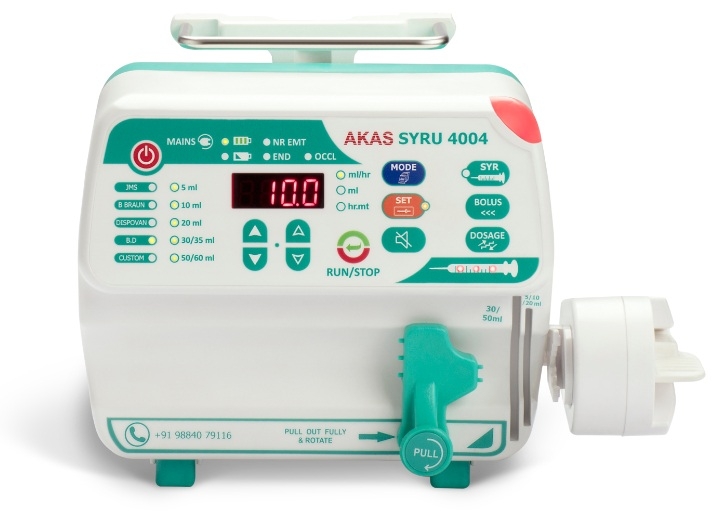
The Syringe Pump has become a trusted solution in supporting standardised drug delivery protocols across modern healthcare settings.
Standardisation is not only about efficiency.
It is about protecting patients, supporting clinicians, and ensuring predictable outcomes regardless of location or workload.
Syringe Pump technology helps hospitals move closer to these shared clinical priorities.
Understanding Standardised Drug Delivery in Hospitals
Standardised drug delivery protocols guide how medications are prepared, administered, and monitored.
They reduce variation in clinical practice and help teams follow evidence-based care pathways.
Consistency in drug delivery strengthens patient safety and supports better clinical coordination.
Hospitals rely on technology to uphold these standards during high-pressure situations.
Manual delivery methods can introduce variability when workloads increase or staffing changes occur.
A Syringe Pump provides controlled, repeatable delivery aligned with approved hospital protocols.
Why Syringe Pumps Support Clinical Consistency
Medication accuracy is essential in critical and long-term care.
Small deviations in dosing can lead to serious clinical consequences.
Syringe Pump systems help deliver precise volumes at controlled rates, supporting uniform practice.
Clinical teams benefit from predictable performance across departments.
Standardised settings reduce uncertainty and support confident decision-making.
Syringe Pump technology becomes a dependable foundation for protocol-driven care.
Improving Patient Safety Through Protocol Alignment
Patient safety remains a shared responsibility across all care teams.
Standardised protocols reduce reliance on memory and manual calculations.
Syringe Pump systems reinforce these protocols through programmed delivery parameters.
Built-in safeguards help prevent unintended changes to medication flow.
Visual and audible alerts guide timely clinical responses.
These features support safer care without increasing staff burden.
Supporting Multidisciplinary Care Teams
Hospitals depend on collaboration between physicians, nurses, and pharmacists.
Standardised drug delivery supports clear communication across these roles.
A Syringe Pump ensures that treatment plans remain consistent from prescription to administration.
Care transitions become smoother when delivery methods are uniform.
Shift changes and cross-department transfers are easier to manage.
This consistency helps maintain continuity of care for patients.
Role of Syringe Pumps in High-Acuity Environments
Critical care units demand precision under constant pressure.
Medications often require exact dosing over extended periods.
A Syringe Pump supports these demands through controlled infusion delivery.
Standardised protocols in intensive care reduce variability during emergencies.
Clinical teams can focus on patient assessment rather than recalculations.
This reliability supports safer outcomes during complex therapies.
Benefits of Standardisation Enabled by Syringe Pumps
Standardised drug delivery offers several meaningful advantages for hospitals.
These benefits extend beyond clinical outcomes to operational efficiency.
Syringe Pump systems contribute to these improvements in measurable ways.
-
Reduced medication errors through consistent dosing accuracy
-
Improved adherence to hospital-approved drug delivery protocols
-
Enhanced staff confidence during high-pressure clinical situations
-
Streamlined training through uniform device usage
-
Better documentation and accountability in medication administration
These benefits strengthen both patient care and institutional trust.
Supporting Training and Clinical Competence
Hospitals face ongoing challenges related to staff turnover and training.
Standardised equipment helps reduce learning curves for new clinicians.
A Syringe Pump with intuitive design supports faster adoption.
Uniform devices across departments simplify competency assessments.
Training programs become more efficient and consistent.
This approach supports safer care while reducing operational strain.
Enhancing Workflow Efficiency Without Compromising Care
Efficient workflows are essential in busy hospital environments.
Standardised drug delivery reduces interruptions and manual checks.
Syringe Pump systems support smoother clinical routines.
Automated delivery allows clinicians to allocate time more effectively.
Attention can remain focused on patient observation and care planning.
Efficiency achieved through standardisation benefits both patients and staff.
Supporting Compliance and Quality Assurance
Healthcare regulations emphasise accuracy, traceability, and documentation.
Standardised drug delivery supports compliance with these expectations.
A Syringe Pump helps ensure that administration aligns with approved guidelines.
Consistent device performance supports internal audits and quality reviews.
Hospitals can demonstrate adherence to safety standards.
This transparency strengthens institutional credibility and trust.
Role in Expanding Healthcare Infrastructure
As healthcare networks grow, standardisation becomes increasingly important.
Multi-site hospitals benefit from unified drug delivery practices.
Syringe Pump systems support scalability without compromising care quality.
Standardised protocols simplify resource planning and staff mobility.
Clinicians experience familiar systems across locations.
This consistency supports sustainable healthcare expansion.
Choosing the Right Syringe Pump Manufacturer
Selecting the right manufacturing partner supports long-term clinical goals.
Hospitals look beyond product features to reliability and service commitment.
A trusted Syringe Pump manufacturer aligns technology with patient-centred care.
Key considerations often include quality assurance, clinical support, and lifecycle value.
Manufacturers who understand hospital workflows add meaningful value.
This partnership approach supports safe and standardised drug delivery.
Middle Insight: How Syringe Pumps Enable Protocol Integrity
Standardised protocols rely on dependable execution at the bedside.
Technology must reinforce, not complicate, clinical intent.
Syringe Pump systems help maintain protocol integrity through consistent performance.
-
Accurate flow control supports prescribed therapy plans
-
Programmable settings reduce manual variability
-
Clear displays assist quick verification during care delivery
These features help align daily practice with hospital standards.
Building Confidence Across Care Teams
Confidence in equipment supports confident clinical decisions.
Standardised Syringe Pump systems reduce uncertainty during treatment delivery.
Teams can rely on consistent performance in routine and critical situations.
This confidence improves morale and reduces stress.
Care teams can focus on patient needs rather than device management.
Trust in technology strengthens overall care quality.
Conclusion
Standardised drug delivery protocols are essential to safe, effective healthcare.
The Syringe Pump plays a vital role in supporting accuracy, consistency, and patient protection.
Hospitals benefit from improved workflows, safer medication practices, and stronger clinical confidence.
Choosing reliable manufacturers supports these outcomes over the long term.
Akas Infusion manufactures world-class drug delivery devices like volumetric pumps, supporting hospitals and medical institutions in delivering dependable, patient-focused care.
 Turkish
 English
 Arabic
 French
 Spanish
 Portuguese
 Deutsch
 Dutch
Dutch
 Italiano
 Russian
 Romaian
 Portuguese (Brazil)
 Greek
Greek
