


 Ban & Monetization Policy
 MyLiveRoom Rewards Program Rules & Eligibility
Summit Island Peak for an Unforgettable Himalayan Experience
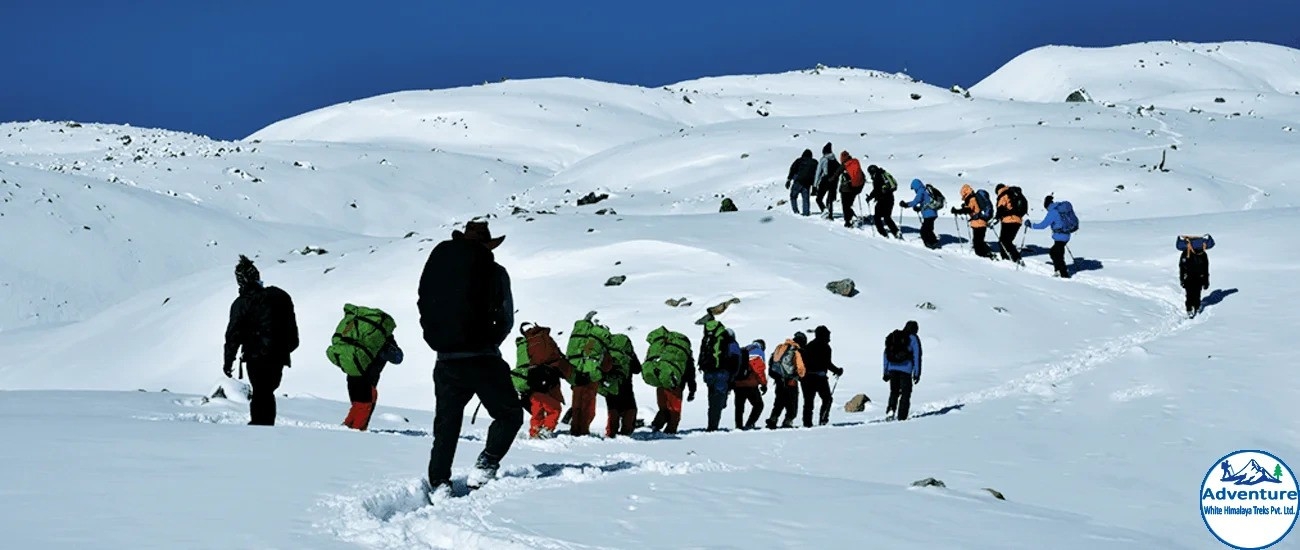
The first time you see the towering snow-covered slopes of Island Peak, you feel a mix of excitement and awe. Standing at the base, the peak looks massive, yet inviting. Climbing Island Peak is a thrilling journey that combines trekking, mountaineering, and breathtaking Himalayan scenery. Every step brings a new challenge and a new view, making it an adventure you will never forget.
Starting the Adventure
Most treks to Island Peak begin in Lukla, the gateway to the Everest region. From here, the trail passes through the picturesque villages of Namche Bazaar and Dingboche. Along the way, trekkers are surrounded by forests, rivers, and traditional Himalayan settlements.
The trail gradually climbs, allowing trekkers to adjust to the altitude. Staying in teahouses along the way provides warmth, food, and a chance to meet fellow adventurers. The combination of natural beauty and local culture makes the trek both exciting and enriching.
Trek Statistics
For those who like details, here are some key numbers for the Island Peak climb:
-
Average Length: 12–14 days
-
Total Distance: Approximately 65 kilometers round trip
-
Maximum Elevation: 6,189 meters at the summit
The trek is challenging, combining moderate trekking with basic mountaineering. Proper preparation, acclimatization, and physical fitness are essential for a safe and successful summit attempt. Guides and support staff often accompany climbers to provide safety and assistance.
Trekking Through the Himalayas
Before the actual climb, the trail takes trekkers through some of the most stunning parts of the Everest region. Majestic peaks like Ama Dablam, Lhotse, and Mount Everest can be seen along the route. Valleys filled with wildflowers, flowing rivers, and terraced fields add to the scenic beauty.
Walking through these landscapes, trekkers experience both adventure and peace. The sounds of rushing rivers, chirping birds, and the occasional yaks carrying loads create a unique Himalayan atmosphere. Each day on the trail brings new discoveries and photo-worthy moments.
Base Camp and High Camp
Reaching Island Peak Base Camp is an exciting milestone. The camp is set on a rocky plateau, offering stunning views of nearby glaciers and peaks. Trekkers spend time here preparing for the climb, learning basic mountaineering techniques such as rope use, crampon walking, and ice axe handling.
From Base Camp, climbers move to High Camp, closer to the summit. This camp is often set on a snow slope, and the scenery is truly spectacular. Watching the sunrise over the Himalayan peaks from High Camp is a memory that stays with every climber.
The Summit Experience
Summit day is the most thrilling part of the Island Peak climb. Climbers start early in the morning, walking across snowfields and icy slopes with crampons and ropes. The effort is demanding, but the reward is enormous.
Reaching the summit of Island Peak at 6,189 meters offers panoramic views of Everest, Lhotse, Nuptse, and Ama Dablam. Standing on the top, feeling the crisp mountain air, and looking at the vast Himalayan landscape is an experience like no other. Every step of the climb, every challenge faced along the way, is worth this moment of triumph.
Cultural Experiences
The Island Peak trek is not only about climbing; it is also about experiencing local culture. Sherpa villages along the route give trekkers a glimpse into daily life in the high Himalayas. Monasteries, prayer flags, and traditional houses add a spiritual dimension to the journey.
Interacting with locals, tasting traditional Nepali food, and observing their customs enriches the trek. These experiences create a deeper connection to the mountains and the people who live there.
Preparing for Island Peak
Proper preparation is essential for a successful climb. Essential items include:
-
Warm and layered clothing for extreme cold
-
Trekking boots and mountaineering boots for snow and ice
-
Crampons, ice axes, and helmets for the climb
-
Sun protection and sunglasses
-
A good backpack for personal items
Acclimatization is critical at high altitudes. Walking slowly, drinking plenty of water, and resting helps prevent altitude sickness. Many climbers hire guides or join expedition groups for safety and support, which makes the journey more manageable and enjoyable.
Why Island Peak is Special
Island Peak is one of the most popular trekking peaks in Nepal because it combines adventure, natural beauty, and accessibility. Unlike technical climbs, it allows trekkers with moderate experience to reach a 6,000+ meter summit safely with proper guidance.
The views from the summit, the glaciers along the trail, and the charming Himalayan villages make it a complete experience. Every step is memorable, from trekking through lush forests to standing on the snow-covered summit, surrounded by the world’s highest mountains.
Final Thoughts
Climbing Island Peak is more than a trek—it is a Himalayan adventure that challenges your body, delights your eyes, and inspires your soul. From trekking through picturesque valleys to reaching the summit, every moment is unforgettable.
For those seeking a mix of trekking, mountaineering, and breathtaking scenery, Island Peak offers a once-in-a-lifetime experience. Lace up your boots, breathe the fresh mountain air, and prepare to summit one of Nepal’s most iconic peaks.
 French
 English
 Arabic
 Spanish
 Portuguese
 Deutsch
 Turkish
 Dutch
Dutch
 Italiano
 Russian
 Romaian
 Portuguese (Brazil)
 Greek
Greek
