


 Ban & Monetization Policy
 MyLiveRoom Rewards Program Rules & Eligibility
Should You Rotate Kunliwelding ER5183 Inventory Regularly?
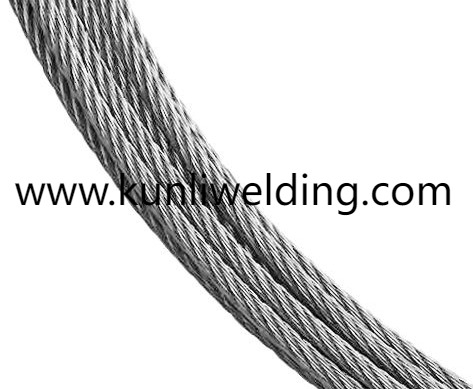
Welding consumables represent substantial investments for fabrication operations, making proper preservation essential for protecting both material quality and financial resources. Environmental exposure gradually degrades aluminum filler materials through surface oxidation, moisture absorption, and contamination accumulation that compromise welding performance. Understanding effective preservation strategies for Aluminum Welding Wire ER5183 helps shops maintain material readiness while avoiding the frustration and expense of discovering degraded wire during critical welding operations when replacement delays could impact project schedules and customer commitments.
Humidity represents the primary environmental threat to stored aluminum wire. Moisture in the air reacts with aluminum surfaces, accelerating oxide layer formation that appears as dull gray discoloration replacing the bright metallic appearance of fresh material. These oxide films increase feeding friction in welding equipment while introducing contaminants into weld pools that create porosity and other defects. Controlling humidity in storage areas through dehumidification systems or climate control prevents this oxidation progression. Facilities in humid coastal regions or tropical climates require particularly aggressive moisture management to preserve wire quality during storage periods.
Original packaging provides initial protection that many operations inadvertently compromise. Manufacturers seal wire in vapor barrier containers with desiccant packets absorbing residual moisture during shipping and initial storage. Once these packages open for use, however, materials become vulnerable to atmospheric exposure. Transferring partially used spools into resealable bags or containers with fresh desiccant extends protection beyond factory packaging. This simple step prevents the common scenario where wire sits exposed on welding carts between uses, gradually accumulating surface oxidation that degrades performance.
Temperature stability prevents condensation cycles that deposit moisture directly onto wire surfaces. Dramatic temperature swings cause condensation as materials cool below dew points, creating wet conditions even in relatively dry environments. Storage areas with stable temperatures avoid these condensation events. When moving wire from cold storage to warm production areas, allowing equilibration time before opening packages prevents condensation from forming on cold surfaces exposed to humid ambient air. This thermal management consideration becomes critical during seasonal temperature transitions or when materials move between climate-controlled storage and unheated production spaces.
Contamination from shop environments accelerates surface degradation beyond simple oxidation. Grinding dust, cutting fluids, welding fumes, and general industrial particulates settle on exposed materials, creating surface films that interfere with welding performance. Dedicated storage cabinets or designated clean areas isolate wire from these contaminants. When complete isolation proves impractical, covering stored materials with protective sheeting provides basic protection from airborne contamination. The effort invested in contamination prevention proves minor compared to costs of discarding degraded materials or dealing with weld defects from contaminated wire.
Handling practices during storage and retrieval influence material condition. Clean gloves prevent skin oils from transferring to wire surfaces when handling spools or threading welding equipment. These oils attract dust while directly contaminating surfaces that subsequently enter weld pools. Avoiding floor contact when moving spools prevents picking up dirt and moisture from potentially damp concrete floors. Storage racks elevating materials above floor level provide additional protection while improving material organization and inventory visibility.
Inventory rotation through first-in-first-out systems prevents extended storage that allows degradation despite good environmental conditions. Even properly stored materials gradually deteriorate over extended periods as desiccants saturate and packaging seals slowly leak. Dating materials upon receipt enables systematic rotation ensuring older stock receives use before newer purchases. This practice prevents discovering ancient, degraded materials hidden behind newer inventory during occasional deep storage area cleanups. Rotation discipline becomes particularly important for operations with irregular wire consumption where materials might otherwise remain stored for extended periods.
Aluminum Welding Wire ER5183 requires attention to these preservation practices due to its chromium content and applications in corrosion-resistant welding where material purity critically affects performance. Surface contamination particularly impacts this high-strength filler material's ability to produce sound welds meeting mechanical property requirements. The investment in proper storage pays dividends through consistent welding performance and elimination of defects traced to degraded consumables rather than technique or equipment issues.
Inspection protocols catch degradation before compromised materials reach welding operations. Visual examination identifies obvious discoloration, surface roughness, or contamination warranting rejection. Surface feel detects oxide texture changes indicating degradation. Periodically pulling samples for test welding verifies that stored materials still produce acceptable results. These checks prevent discovering storage issues mid-production when schedule pressures might tempt continued use of questionable materials rather than stopping for proper replacement.
Storage area design considerations support long-term material preservation. Concrete floors in storage spaces benefit from vapor barriers preventing ground moisture migration. Adequate ventilation prevents stagnant humid air pockets while avoiding excessive air circulation that draws humid outside air into storage spaces. Dedicated HVAC systems maintaining specific temperature and humidity ranges provide comprehensive environmental control justifying their cost in facilities with substantial welding consumable inventories or operations in challenging climates.
Packaging options when purchasing wire influence storage requirements and material preservation. Larger spools or bulk packaging reduce per-unit costs but extend time between opening and consumption, creating longer exposure periods. Smaller packaging units that get consumed shortly after opening reduce exposure time even if storage conditions prove less than ideal. Balancing packaging size against consumption rates and storage capabilities optimizes material preservation while managing procurement costs and inventory levels.
Training personnel about proper storage creates organizational habits protecting material investments. When everyone understands why storage conditions matter and how handling affects quality, compliance becomes cultural rather than requiring constant supervision. This educational approach to material stewardship proves more sustainable than relying solely on formal procedures that people may shortcut under production pressures or when supervisors are absent.
Implementing comprehensive oxidation prevention strategies protects both material quality and fabrication capability. Aluminum Welding Wire ER5183 that receives proper environmental protection and careful handling delivers the welding performance it was engineered to provide. These preservation practices support quality fabrication while avoiding the frustration and expense of premature material degradation that creates welding problems during operations when material quality should represent one less variable in achieving successful fabrication outcomes. Additional guidance on material handling and storage practices can be found at https://www.kunliwelding.com/ .
 Romaian
 English
 Arabic
 French
 Spanish
 Portuguese
 Deutsch
 Turkish
 Dutch
Dutch
 Italiano
 Russian
 Portuguese (Brazil)
 Greek
Greek
