


 Ban & Monetization Policy
 MyLiveRoom Rewards Program Rules & Eligibility
What Is Influencer Marketing? Tips for Small Businesses
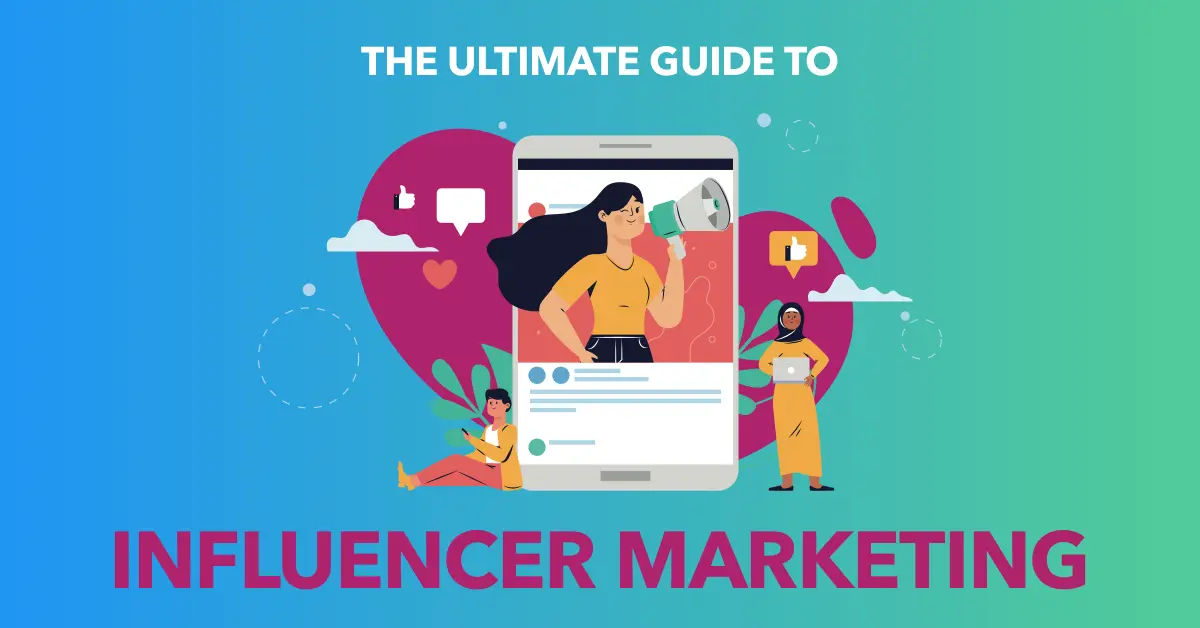
In today's digital world, marketing strategies are evolving rapidly. One approach that has gained immense popularity over the past decade is influencer marketing. But what is influencer marketing, and why should small businesses pay attention to it? This article will break down everything you need to know about influencer marketing, its benefits, and how small businesses can leverage it effectively.
What Is Influencer Marketing?
At its core, influencer marketing is a form of marketing where brands collaborate with individuals who have a strong online presence to promote their products or services. These individuals, known as influencers, have the power to influence their audience’s purchasing decisions because of their credibility, expertise, or popularity in a specific niche.
Influencer marketing is not just about advertising. Unlike traditional marketing, it focuses on authentic connections between influencers and their audience. This authenticity allows brands to reach potential customers in a more organic and trustworthy way.
Why Influencer Marketing Works for Small Businesses
Small businesses often face challenges like limited marketing budgets and low brand visibility. This is where influencer marketing can be a game-changer. Here’s why:
1. Cost-Effective Advertising
Compared to traditional advertising methods like TV or print media, influencer marketing can be more affordable. Micro-influencers, who have smaller but highly engaged audiences, often collaborate with small businesses at a lower cost while still delivering impressive results.
2. Builds Trust and Credibility
People trust recommendations from influencers they follow. By partnering with the right influencer, small businesses can gain instant credibility and trust among potential customers. This trust can lead to higher conversion rates than typical advertisements.
3. Targeted Reach
Influencers usually cater to specific niches, whether it’s fitness, beauty, technology, or travel. This allows small businesses to reach a highly targeted audience interested in their products or services, increasing the chances of engagement and sales.
How to Identify the Right Influencers
Choosing the right influencer is critical for a successful campaign. Here are some tips:
1. Focus on Relevance
The influencer’s content should align with your brand values and target audience. For instance, a small organic skincare brand should partner with beauty influencers who emphasize natural products.
2. Evaluate Engagement Rates
High follower counts are impressive, but engagement rates (likes, comments, shares) indicate how active and invested an influencer’s audience is. High engagement means your message is more likely to be noticed and trusted.
3. Check Authenticity
Avoid influencers who have fake followers or use engagement bots. Authentic influencers create real connections with their audience, which is essential for small businesses looking to build trust.
Types of Influencer Marketing
Influencer marketing comes in various forms, and small businesses can choose what works best for their goals.
1. Sponsored Posts
This is the most common type of influencer marketing. A business pays an influencer to create content promoting their product. The post can appear on Instagram, TikTok, YouTube, or any platform relevant to the audience.
2. Product Reviews and Unboxings
Sending products to influencers for reviews or unboxing videos is an effective strategy. It allows potential customers to see the product in action and learn about its benefits from someone they trust.
3. Brand Ambassadors
A long-term partnership with an influencer can create consistent brand awareness. Brand ambassadors regularly feature your product, which strengthens credibility and loyalty over time.
4. Affiliate Marketing
Some influencers earn commissions on sales generated through unique referral links. This is a win-win for small businesses and influencers, as payment is tied directly to performance.
Steps to Start Influencer Marketing for Small Businesses
Now that you know what is influencer marketing and why it’s beneficial, let’s look at how small businesses can implement it.
1. Define Your Goals
Are you looking to increase brand awareness, drive sales, or build social media followers? Clear goals help in selecting the right influencers and measuring campaign success.
2. Identify Your Target Audience
Know who your ideal customers are. Understanding demographics, interests, and online behavior ensures your campaign reaches the people most likely to buy your product.
3. Research Influencers
Use social media tools and platforms to find influencers in your niche. Look for engagement rates, content quality, and audience alignment.
4. Reach Out Strategically
Craft personalized messages when reaching out to influencers. Explain why you believe they are a perfect fit and what the collaboration entails.
5. Set a Budget and Negotiate
Small businesses can negotiate different types of partnerships, from paid posts to free product exchanges. Always set a budget and track spending to measure ROI.
6. Track Results and Optimize
Use metrics such as engagement rates, website traffic, and conversions to measure success. Adjust future campaigns based on what works best.
Tips for Small Businesses to Succeed in Influencer Marketing
-
Start Small: Focus on micro-influencers with 5,000–50,000 followers. They often have higher engagement and are more affordable.
-
Be Transparent: Ensure influencers disclose sponsored content. Transparency builds trust with audiences.
-
Encourage Creativity: Let influencers create content in their unique style. Authenticity drives results more than scripted ads.
-
Leverage Multiple Platforms: Don’t limit your campaign to one platform. Consider Instagram, TikTok, YouTube, or Pinterest depending on your audience.
-
Monitor Trends: Stay updated on influencer trends in your niche to remain relevant and competitive.
Common Mistakes to Avoid
-
Ignoring Analytics: Don’t just rely on follower count; analyze engagement and audience demographics.
-
One-Time Campaigns: Long-term relationships with influencers often perform better than one-off promotions.
-
Mismatched Influencers: Partnering with an influencer outside your niche can confuse your audience and reduce effectiveness.
Conclusion
In conclusion, understanding what is influencer marketing is crucial for small businesses looking to grow their brand in the digital era. It offers a cost-effective way to reach targeted audiences, build credibility, and drive sales. By carefully selecting the right influencers, defining clear goals, and tracking performance, small businesses can leverage influencer marketing to compete with larger brands.
As the digital landscape continues to evolve, influencer marketing will remain a valuable strategy for small businesses seeking authenticity, engagement, and measurable results. With the right approach, even a small business can create a powerful impact with influencer collaborations.
 French
 English
 Arabic
 Spanish
 Portuguese
 Deutsch
 Turkish
 Dutch
Dutch
 Italiano
 Russian
 Romaian
 Portuguese (Brazil)
 Greek
Greek
