


 Ban & Monetization Policy
 MyLiveRoom Rewards Program Rules & Eligibility
Can Phlebotomy Training in Birmingham Lead to NHS Employment?
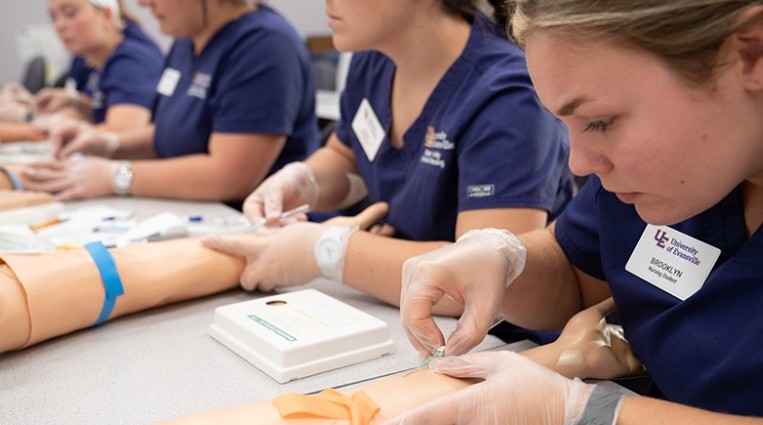
If you are considering a career in healthcare, phlebotomy is an essential and rewarding profession. In the UK, phlebotomists play a critical role in patient care by collecting blood samples for testing, ensuring accurate results, and maintaining high standards of hygiene and safety. For those in Birmingham, the question often arises: Can phlebotomy training in Birmingham lead to NHS employment? The short answer is yes, provided you complete the right accredited training and gain hands-on experience.
In this article, we explore the pathways to NHS employment through phlebotomy training in Birmingham, the skills required, and tips to maximise your employability in this competitive sector.
Understanding Phlebotomy Training in Birmingham
Phlebotomy training in Birmingham is designed to equip learners with both theoretical knowledge and practical skills. Accredited courses usually cover:
-
Venepuncture techniques – the standard method of blood collection.
-
Capillary sampling – collecting small blood samples from fingers or heels.
-
Patient care and communication – how to reassure patients and manage anxiety.
-
Health and safety procedures: infection control, hygiene, and specimen handling.
-
Regulatory compliance – understanding NHS standards, data protection, and consent.
Many local training centres emphasise hands-on phlebotomy training Birmingham, allowing students to practice under supervision in clinical or simulated environments. This practical component is crucial for building confidence and competence in blood collection techniques.

Pathways to NHS Employment
The NHS is one of the largest employers of phlebotomists in the UK. To gain employment in the NHS, candidates typically follow these steps:
1. Complete an Accredited Phlebotomy Course
To work in the NHS, you need a recognised qualification. UK accreditation bodies such as City & Guilds, NCFE, and Highfield Qualifications offer Level 2 or Level 3 phlebotomy certificates. Choosing a Birmingham-based course provides local networking opportunities and insight into NHS practices in the region.
2. Gain Practical Experience
Practical experience is highly valued. Courses that offer clinical placements or simulated practice sessions ensure you are ready to meet NHS expectations. Many employers prefer candidates who have completed hands-on phlebotomy training in Birmingham, as it demonstrates real-world competence.
3. Obtain Professional Registration (Optional)
While phlebotomy is not a regulated profession in the UK, registration with a professional body like the Institute of Biomedical Science (IBMS) or local NHS credentialing programmes can enhance your employability.
4. Apply to NHS Roles
Entry-level NHS roles for phlebotomists include:
-
Healthcare Support Worker (with phlebotomy duties)
-
Phlebotomy Technician
-
Hospital Laboratory Assistant
Candidates often start in temporary or bank positions to gain NHS experience, which can later lead to permanent roles.
Skills NHS Employers Look For
To succeed in NHS phlebotomy roles, candidates should focus on developing the following skills:
-
Accuracy and attention to detail – essential for correct sample collection and labelling.
-
Communication – ability to put patients at ease, explain procedures, and provide reassurance.
-
Time management – efficiently handling multiple patients while maintaining safety standards.
-
Teamwork – collaborating with nurses, doctors, and laboratory staff.
-
Professionalism – adhering to the NHS code of conduct and maintaining confidentiality.
Completing hands-on phlebotomy training in Birmingham ensures that these skills are honed in a practical setting, giving candidates a strong advantage during NHS job applications.
Benefits of NHS Employment in Phlebotomy

Working as a phlebotomist in the NHS offers numerous advantages:
-
Structured career progression – potential to advance into nursing, laboratory work, or specialist clinical roles.
-
Competitive pay and benefits – including pension schemes, annual leave, and training opportunities.
-
Job security – the NHS consistently has a high demand for trained phlebotomists.
-
Diverse work environment – exposure to multiple clinical areas and patient groups.
-
Professional development – ongoing training and CPD opportunities to enhance skills.
Tips to Maximise Your NHS Employability
-
Choose Accredited Courses: Select a phlebotomy training course in Birmingham recognised by UK qualification authorities.
-
Prioritise Practical Experience: Hands-on training and placements are critical; NHS employers value competence over theory alone.
-
Develop Soft Skills: Strong communication, empathy, and teamwork make you a standout candidate.
-
Build a Professional Network: Attend local healthcare events or join phlebotomy forums to connect with NHS staff.
-
Tailor Your CV: Highlight practical experience, training achievements, and any prior clinical exposure.
Conclusion
Phlebotomy training in Birmingham is a direct pathway to NHS employment. By completing an accredited course, gaining practical experience, and developing the right mix of technical and soft skills, aspiring phlebotomists can secure rewarding roles within the NHS. Investing in hands-on phlebotomy training in Birmingham not only equips you with essential skills but also increases your chances of becoming a highly employable candidate in the UK healthcare system.
FAQs
1. How long does phlebotomy training in Birmingham take?
Typically, courses range from 6 weeks to 3 months, depending on intensity and study mode.
2. Do I need previous healthcare experience to enrol?
No, most accredited courses accept beginners, though a basic understanding of healthcare environments is beneficial.
3. Is NHS employment guaranteed after training?
While training improves employability, NHS roles are competitive. Practical experience and professional conduct are key.
4. Can I work part-time in the NHS after completing training?
Yes, many phlebotomists start with bank or temporary shifts and transition to permanent roles.
5. Are online phlebotomy courses sufficient for NHS roles?
Online theory courses help, but practical, hands-on training is essential for NHS employment.
 Portuguese
 English
 Arabic
 French
 Spanish
 Deutsch
 Turkish
 Dutch
Dutch
 Italiano
 Russian
 Romaian
 Portuguese (Brazil)
 Greek
Greek
