


 Ban & Monetization Policy
 MyLiveRoom Rewards Program Rules & Eligibility
How Does a Dual SIM 4G LTE Industrial Router Ensure Uninterrupted Connectivity
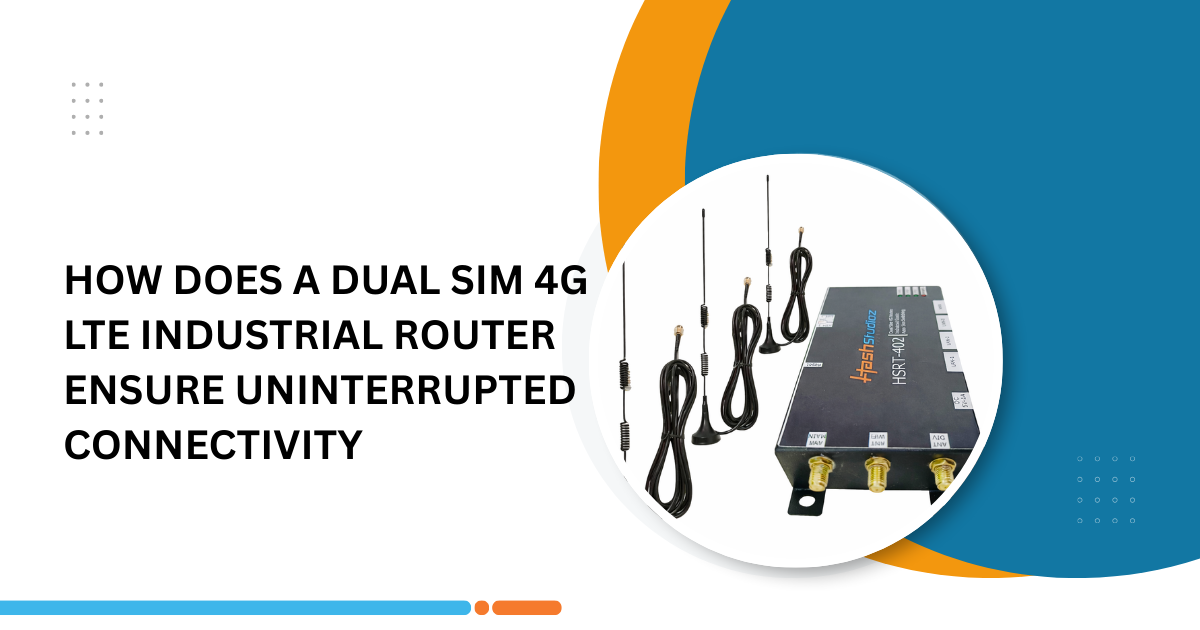
Reliable network connectivity is a core requirement in modern industrial systems. Manufacturing plants, energy sites, transportation networks, and remote monitoring systems depend on constant data flow. Network interruptions can cause downtime, data loss, and safety risks. To reduce these risks, many deployments use a Dual SIM 4G LTE Industrial Router.
A Dual SIM Industrial Router provides redundancy at the cellular level. It allows a system to remain connected even when one network fails. This article explains how such routers ensure uninterrupted connectivity from a technical perspective.
Why Network Continuity Matters in Industrial Systems
Industrial systems rely on continuous communication.
Impact of Network Downtime
-
Production delays
-
Data gaps
-
Remote control failure
-
Safety alarms not delivered
-
Higher maintenance cost
Industry reports show that unplanned downtime costs manufacturers an average of $260,000 per hour. In remote installations, recovery may take hours or days.Cellular networks reduce dependency on wired links. Dual SIM designs add another layer of protection.
What Is a Dual SIM 4G LTE Industrial Router
A Dual SIM 4G LTE Industrial Router is a cellular router with two SIM card slots. It supports two separate mobile network subscriptions.
Core Capabilities
-
Two independent SIM interfaces
-
Automatic network switching
-
Continuous traffic monitoring
-
Industrial-grade hardware design
These routers operate in harsh environments. They support wide temperature ranges, vibration resistance, and stable power input.
Difference Between Consumer and Industrial Routers
Industrial routers differ from consumer models in several ways.
Key Differences
-
Extended operating temperature range
-
Higher MTBF ratings
-
Advanced watchdog functions
-
More control over failover logic
-
Support for VPN and routing rules
Consumer routers often lack precise failover controls. Industrial systems need predictable behavior.
Why Dual SIM Is Used Instead of Single SIM
Single SIM routers depend on one carrier.
Risks of Single SIM Designs
-
Carrier outages
-
Tower maintenance downtime
-
Signal degradation
-
Network congestion
Mobile network availability varies by location. Even top carriers experience regional failures. Dual SIM designs reduce this dependency.
How Dual SIM Architecture Works
A Dual SIM router contains two SIM slots. Both connect to the cellular modem.
Common Hardware Designs
-
Single modem with SIM switching
-
Dual modem with active-standby design
Most industrial routers use a single modem. The router switches SIMs through software control.
SIM Switching Logic in Dual SIM Routers
SIM switching is not random. The router follows defined rules.
Common Switching Triggers
-
Loss of network registration
-
Data session failure
-
High packet loss
-
Signal level below threshold
-
Manual operator command
The router monitors these conditions continuously.
Network Health Monitoring
Uninterrupted connectivity depends on accurate network monitoring.
Parameters Monitored
-
RSSI and RSRP levels
-
Packet loss rate
-
Round-trip latency
-
PDP context status
-
Keepalive response
Routers typically check these values every few seconds.
Failover Process Step by Step
When a failure occurs, the router acts quickly.
Typical Failover Sequence
-
Detect connection degradation
-
Confirm failure condition
-
Disconnect active SIM
-
Activate backup SIM
-
Re-establish data session
-
Restore routing and VPN
Well-designed routers complete this process within 5 to 30 seconds.
Failover Time and Its Importance
Failover time defines service impact.
Typical Failover Ranges
-
Consumer routers: 60–120 seconds
-
Industrial routers: 5–30 seconds
-
High-end systems: under 5 seconds
Short failover time reduces data loss and control delays.
SIM Priority and Policy Control
Dual SIM routers allow SIM priority settings.
Common Policies
-
Primary and backup SIM
-
Load-based switching
-
Time-based switching
-
Signal-quality-based switching
Priority rules help control data costs and performance.
Use of Different Network Operators
Many deployments use SIMs from different carriers.
Benefits of Multi-Carrier Use
-
Reduced outage risk
-
Better coverage diversity
-
Lower congestion impact
Studies show that using two carriers improves uptime by over 99.9% in many regions.
APN and Network Profile Management
Each SIM uses its own network profile.
Profile Settings Include
-
APN name
-
Authentication method
-
IP addressing type
-
DNS configuration
The router stores profiles separately for each SIM.
VPN Persistence During Failover
Industrial systems often use VPN tunnels.
VPN Challenges During Switching
-
Tunnel drop
-
Session renegotiation
-
Temporary packet loss
Industrial routers manage VPN reconnection automatically. Advanced models restore VPN tunnels within 2–5 seconds after SIM switch.
Routing Table Management
During failover, routing must update quickly.
Routing Actions
-
Remove old gateway
-
Assign new interface
-
Update NAT rules
-
Restore port forwarding
Efficient routing logic prevents traffic black holes.
Load Balancing vs Failover
Some Dual SIM routers support load sharing.
Failover Mode
-
One SIM active
-
Second SIM on standby
-
Used for high reliability
Load Balancing Mode
-
Both SIMs active
-
Traffic split by rules
-
Used for higher bandwidth
Failover remains preferred for critical control systems.
Watchdog Timers and Self-Recovery
Industrial routers include watchdog systems.
Watchdog Functions
-
Monitor router software
-
Detect modem lockups
-
Restart interfaces
-
Reboot system if needed
Watchdogs reduce long-term outages.
Power Stability and Dual SIM Reliability
Power issues affect connectivity.
Industrial Power Features
-
Wide voltage input range
-
Reverse polarity protection
-
Surge suppression
Stable power ensures reliable SIM switching behavior.
Antenna Design and Signal Stability
Dual SIM routers depend on antenna performance.
Antenna Considerations
-
Wideband LTE support
-
Proper placement
-
Low-loss cables
-
Ground plane quality
Good antenna design reduces unnecessary SIM switching.
Real-World Example: Remote Pump Station
A water utility operates remote pump stations.
Initial Setup
-
Single SIM router
-
One cellular carrier
-
Frequent outages during storms
Upgraded Setup
-
Dual SIM Industrial Router
-
Two different carriers
-
Automatic failover enabled
Results
-
Network uptime improved from 96% to 99.95%
-
Alarm delivery time reduced
-
Fewer maintenance visits
The upgrade required no change to control systems.
Data Usage Control During Failover
Dual SIM routers track data usage.
Data Control Features
-
Per-SIM usage counters
-
Monthly limits
-
Throttling rules
-
Alerts on threshold
This prevents cost overruns when switching networks.
Security During SIM Switching
Security remains critical.
Security Measures
-
Firewall rules persist
-
VPN keys remain protected
-
No open ports during transition
Industrial routers avoid exposing devices during failover.
Latency Differences Between SIMs
Different carriers show different latency.
Typical LTE Latency
-
Idle network: 30–50 ms
-
Busy network: 80–150 ms
Routers may prefer lower latency SIMs for real-time traffic.
Configuration and Testing Practices
Proper setup ensures reliability.
Recommended Tests
-
Forced SIM failure tests
-
Long-duration uptime tests
-
Power cycling tests
-
Network congestion tests
Testing validates failover behavior before deployment.
Scaling Dual SIM Deployments
Large deployments need central management.
Management Features
-
Remote monitoring
-
Central configuration
-
Firmware updates
-
Alert systems
Fleet management improves response time.
Why Dual SIM Routers Are Common in Industry
Industry demands reliability.
Key Reasons for Adoption
-
High uptime requirement
-
Remote locations
-
No wired backup available
-
Regulatory compliance
Over 70% of new industrial cellular deployments now use dual SIM designs.
Limitations of Dual SIM Routers
No solution is perfect.
Known Limitations
-
Failover is not instant
-
Both carriers may fail
-
Higher hardware cost
-
More configuration effort
Despite limits, benefits outweigh risks in most cases.
Best Practices for Uninterrupted Connectivity
Practical Recommendations
-
Use two different carriers
-
Set clear switching thresholds
-
Test failover regularly
-
Monitor signal quality
-
Maintain antenna quality
These steps reduce unexpected outages.
Final Thoughts
A Dual SIM 4G LTE Industrial Router ensures uninterrupted connectivity by combining constant network monitoring, intelligent failover logic, and industrial-grade hardware. A Dual SIM Industrial Router reduces dependency on a single carrier and protects systems from common network failures. Connectivity reliability depends on design, configuration, and testing. Dual SIM routers provide a proven approach for mission-critical industrial systems where downtime is not acceptable.
 French
 English
 Arabic
 Spanish
 Portuguese
 Deutsch
 Turkish
 Dutch
Dutch
 Italiano
 Russian
 Romaian
 Portuguese (Brazil)
 Greek
Greek
