


 Ban & Monetization Policy
 MyLiveRoom Rewards Program Rules & Eligibility
Smart Money Moves: Build Wealth, Crush Debt & Master Your Budget
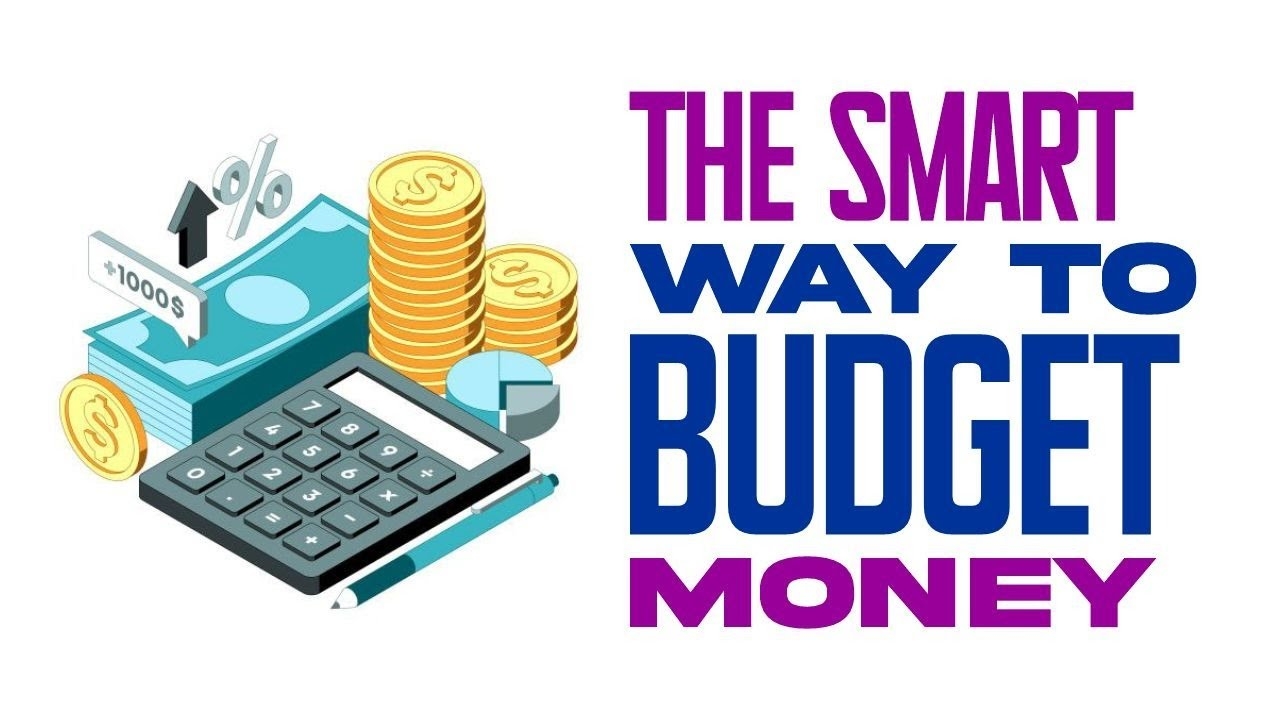
Managing money wisely is one of the most empowering skills you can develop — yet it’s often the most overlooked. Whether you’re dreaming of financial freedom, trying to save your first significant amount, or simply want more control over your money each month, a few smart financial habits can make a huge difference.
In this guide, we’ll walk you through practical money habits that build wealth, how to tackle debt strategically, simple ways to save your first ₹50,000, how to understand your expenses, and how to create a monthly budget that works.
1. Money Habits That Build Long-Term Wealth
Creating wealth isn’t about luck — it’s about consistent habits that put you in control of your finances. Wealthy people don’t just earn more; they manage and grow what they have in smart ways.
Here are essential habits that help you build lasting wealth:
-
Spend less than you earn. This is the cornerstone of financial success. Track what you spend and identify areas where you can cut back.
-
Automate your savings so you save first and spend later.
-
Invest early and regularly to take advantage of compound interest. Even small amounts grow significantly over time.
-
Avoid impulsive purchases by waiting 48 hours before buying non-essentials.
-
Continuously educate yourself about money, investing, and financial tools.
For a deeper dive into the habits that can truly change your financial life, check out this article on money habits to build wealth:
2. Debt Snowball Method: Crush Debt One Step at a Time
Debt can feel like a heavy burden, but the Debt Snowball Method makes reducing it more manageable — and surprisingly motivating.
Here’s how it works:
-
List your debts from smallest to largest balance, ignoring interest rates for now.
-
Pay at least the minimum on all debts except the smallest one.
-
Put as much money as you can toward the smallest debt until it’s paid off.
-
Once it’s paid, roll that amount into payments on the next smallest debt.
This creates a “snowball effect,” where your payment amounts grow over time — and so does your momentum. Each time you pay off a debt, you gain confidence and free up more money to tackle the next one. It’s a psychological boost as much as a financial strategy.
To learn more about how this method works and why it’s so effective, read.
3. Savings Tips: Reach Your First ₹50,000 Faster
Saving ₹50,000 might sound tough, but with the right approach and discipline, it’s absolutely achievable — even on a modest income.
Try these savings strategies:
-
Set clear goals. Write down what you’re saving for — it makes the goal real and motivating.
-
Pay yourself first. Move a portion of your income directly into savings before you spend anything.
-
Cut unnecessary expenses. Evaluate subscriptions, entertainment, and dining out to spot savings opportunities.
-
Automate transfers. Scheduled transfers to your savings account remove the temptation to spend.
-
Boost income where possible. Consider side gigs or freelance work and direct that income straight into savings.
If you want more practical tips to hit your first ₹50,000 milestone, this guide can help.
4. Fixed vs. Variable Expenses: Take Control of Your Spending
Understanding your expenses is fundamental to managing your money. Your expenses fall into two main types:
Fixed Expenses:
These are essential costs that stay relatively the same each month — like rent, loan payments, insurance, and utilities. Because they’re predictable, you can plan for them.
Variable Expenses:
These change from month to month — such as groceries, dining out, entertainment, and transportation. These are the areas where most people overspend without realizing it.
Tracking both types helps you see where your money goes and where you can make adjustments. For instance, if your variable expenses are consistently eating up most of your income, it’s time to reassess needs versus wants.
To get a clearer picture of how fixed and variable expenses affect your budget and financial planning, explore.
5. How to Create a Simple Monthly Budget
Budgeting doesn’t have to be intimidating — it’s simply a plan that tells your money where to go instead of wondering where it went.
Here’s a step-by-step way to build a monthly budget:
-
Write down your total monthly income.
-
List all fixed expenses. Include everything from rent and EMIs to subscriptions.
-
Estimate variable expenses. Track last month’s spending on groceries, transport, and dining to get realistic numbers.
-
Subtract expenses from income.
-
If you have money left over, decide how much goes to savings and debt repayment.
-
If expenses exceed income, identify areas to reduce — usually starting with variable costs.
-
Review and adjust monthly. Life changes, so your budget should too.
A popular rule to guide your budget is the 50/30/20 rule:
-
50% of your income to needs,
-
30% to wants,
-
20% to savings and debt repayment.
If you want a complete walkthrough on creating a practical monthly budget anyone can follow, check out.
Final Thoughts: Your Financial Future Starts Now
Personal finance doesn’t have to be confusing or overwhelming. With consistent habits, a clear understanding of your expenses, a plan to crush debt, smart savings goals, and a realistic budget, you can take charge of your money and grow your wealth over time.
 Spanish
 English
 Arabic
 French
 Portuguese
 Deutsch
 Turkish
 Dutch
Dutch
 Italiano
 Russian
 Romaian
 Portuguese (Brazil)
 Greek
Greek
