


 Ban & Monetization Policy
 MyLiveRoom Rewards Program Rules & Eligibility
How Do Personal Trainers Perform Postural and Static Alignment Assessments?
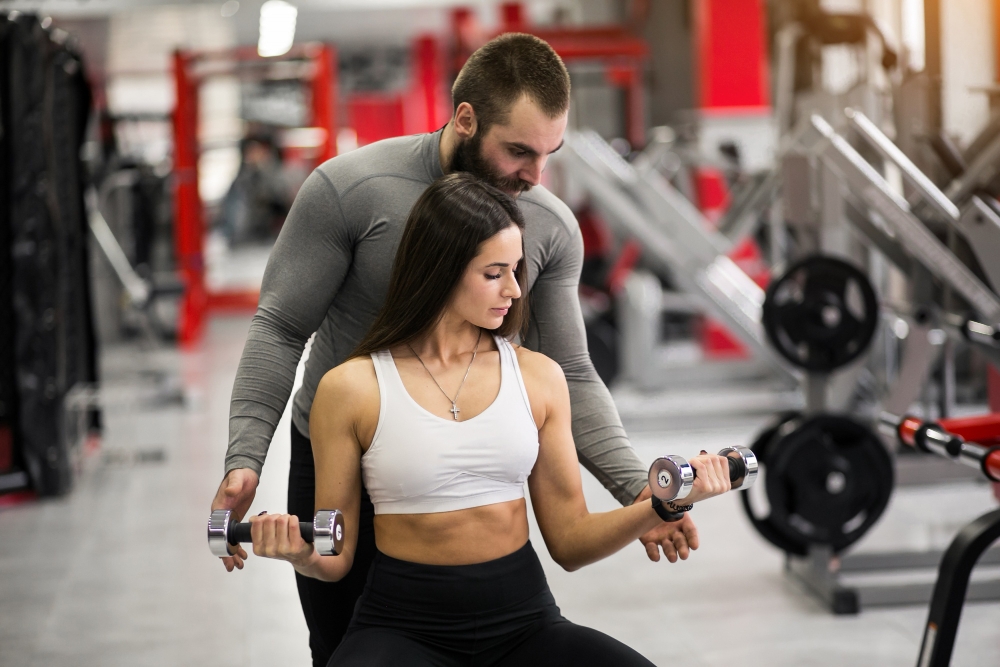
If you have ever watched a trainer quietly scan someone’s stance before a session, you might wonder what on earth they are looking for. In the early weeks of studying the Certificate IV in Fitness Melbourne, we quickly learn that posture is like a roadmap... it tells you everything about how someone moves, where they struggle, and what might need fixing before heavier training begins. And honestly, the more you learn it, the more you start noticing posture everywhere... even in the checkout line at the supermarket.
Why Trainers Care So Much About Posture
We talk a lot about posture because it is one of the biggest indicators of movement quality. When someone has tight hip flexors, rounded shoulders, or a tilted pelvis, it affects their lifts, their running technique, and even their everyday comfort.
There is also research backing this up. A study published in the Journal of Bodywork and Movement Therapies found that poor postural alignment is strongly linked to increased risk of shoulder and lower-back injuries. Another well-known study by NASA (yes, NASA of all places) tracked how spinal alignment affects human movement in low-gravity environments... which sounds like sci-fi stuff, but it proved how even small posture changes influence muscle recruitment.
So, when we assess posture, we are not being picky. We are trying to predict and prevent problems.
The First Thing Trainers Usually Look At
Most trainers start with the "snapshot view"... basically, what does the client look like when they are just standing there and breathing normally? We are checking whether:
- The head is pushed forward
- The shoulders sit level
- The hips tilt too far forward or back
- The knees cave in or bow out
- The feet roll in or out
And no, we are not judging. We all have something going on. Even trainers do.
This first look tells us where muscles might be overworking and where others might be slacking off.
Using the Plumb Line… Yes, It Is Old School but It Works
One quirky thing you learn pretty early in the fitness world is how often simple, old-school tools beat the fancy stuff. Many trainers still use a plumb line... literally a string with a weight at the bottom. It helps us see asymmetries by comparing the client to a vertical line.
If someone’s ear sits ahead of the line, or one shoulder sits higher, or the knee does not track properly, it gives us clues about mobility restrictions or muscular imbalances. The funny part is that clients usually see it and go, "Oh wow, I had no idea I stood like that."
Static Alignment... Where We Dig a Bit Deeper
Static alignment checks happen when the client stands still in a relaxed stance. It is like pausing a movie to see all the tiny details you miss during movement.
During these assessments, we often notice patterns that explain a lot, like:
- Rounded upper back because of desk work
- Tight calves leading to inwardly rotated feet
- Weak glutes causing a big anterior pelvic tilt
- Uneven hip height from years of leaning on one side
There is a well-cited study in Manual Therapy that showed how even subtle pelvic tilts can change how force is absorbed during walking and lifting. And that is why tiny details matter.
The Conversation That Happens During Assessment
A lot of people think assessments are silent and awkward, but we are usually chatting through most of it. We ask about old injuries, jobs, daily habits, even hobbies. Someone who plays guitar all day will stand differently from someone who works construction.
These little stories people tell us help us connect the dots. Posture alone never tells the whole story.
Tech Tools Trainers Sometimes Use
Yes, many trainers now use movement apps, tablets, and slow-motion video. It helps clients actually see what we see. And honestly, people often make faster progress when they understand visually what needs fixing.
But tech is just an add-on. The real skill is learning to see patterns with your own eyes... something every good training program teaches properly.
What Happens After the Posture Assessment
Once we have the full picture, we build a plan. If someone has tight hip flexors, we work mobility. If their shoulders round forward, we strengthen the upper back. If their feet collapse inward, we add ankle and foot stability work.
This is where the training really becomes personalised. No cookie-cutter workouts, no generic warm-ups. It is all based on posture clues.
And honestly... clients feel the difference very quickly.
Thinking of Learning This Skill Yourself?
If you ever plan on coaching or simply want to understand your own body better, posture assessments are one of the coolest skills to learn. Every good Personal Training course teaches this because it shapes everything else you do with a client.
By the time you finish your studies, you will see posture differently... and you will understand movement in a whole new way.
 Dutch
Dutch
 English
 Arabic
 French
 Spanish
 Portuguese
 Deutsch
 Turkish
 Italiano
 Russian
 Romaian
 Portuguese (Brazil)
 Greek
Greek
