


 Ban & Monetization Policy
 MyLiveRoom Rewards Program Rules & Eligibility
How to Teach Kids About Nutrition Through Books?
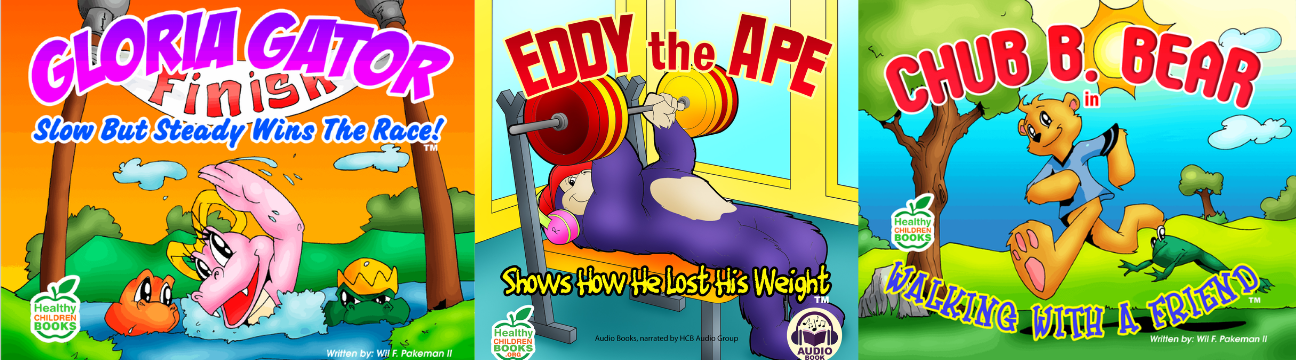
Teaching children about healthy eating can feel challenging, especially in a world filled with fast food ads and sugary snacks. One of the most effective and natural ways to introduce healthy habits is through storytelling. Using the best books to teach kids about nutrition, parents and educators can turn learning about food into an engaging and enjoyable experience. At Healthy Children Books, we believe stories are powerful tools that shape lifelong habits.
Books make nutrition relatable. Instead of listing “good” and “bad” foods, stories introduce colorful characters like brave carrots, energetic apples, or strong whole grains. When children connect emotionally with characters, they are more likely to remember the lessons. A story about a superhero who gains energy from vegetables can make a bigger impact than a lecture about vitamins.
1. Choose Age-Appropriate Nutrition Books
For preschoolers, look for picture books with bright illustrations and simple messages about fruits, vegetables, and balanced meals. For older kids, choose books that explain food groups, digestion, and how nutrients help the body grow. The best nutrition books for kids simplify complex ideas without overwhelming them.
At Healthy Children Books, we recommend selecting titles that:
-
Explain food groups clearly
-
Encourage trying new foods
-
Promote balance rather than restriction
-
Avoid fear-based messaging about eating
2. Make Reading Interactive
Simply reading the book is not enough. Turn storytime into a conversation. Ask questions like:
-
“Why do you think the character chose that snack?”
-
“What foods give you energy to play?”
-
“Which fruit would you like to try this week?”
This approach strengthens understanding and builds critical thinking skills. When children actively participate, they absorb the message more deeply.
3. Connect Stories to Real-Life Activities
After reading one of the best books to teach kids about nutrition, reinforce the lesson with action. For example:
-
Visit a local market and identify fruits mentioned in the book.
-
Let your child help prepare a colorful salad.
-
Create a “rainbow plate” challenge inspired by the story.
These activities transform abstract concepts into practical habits. Children learn that healthy eating isn’t just something in a book—it’s part of everyday life.
4. Model Healthy Behavior
Books are powerful, but children learn most by observing adults. When parents model balanced eating and speak positively about food, children internalize those attitudes. Use books as a starting point, but reinforce the message through your daily choices.
5. Build a Home Library Focused on Healthy Living
Creating a small collection of nutrition-themed storybooks helps normalize conversations about healthy eating. Rotate books regularly to keep interest high. At Healthy Children Books, we encourage families to treat nutrition education as an ongoing journey rather than a one-time lesson.
Teaching kids about nutrition through books builds awareness without pressure. Stories create curiosity, reduce resistance, and make healthy eating exciting. When children grow up understanding how food fuels their bodies, they develop habits that support long-term wellbeing. With the right books and consistent engagement, you can nurture both a love for reading and a love for healthy choices.
 Portuguese (Brazil)
 English
 Arabic
 French
 Spanish
 Portuguese
 Deutsch
 Turkish
 Dutch
Dutch
 Italiano
 Russian
 Romaian
 Greek
Greek
