


 Ban & Monetization Policy
 MyLiveRoom Rewards Program Rules & Eligibility
What Makes Organic Cotton Dresses a Healthier Clothing Option
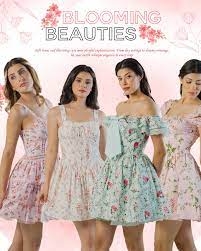
Clothing plays a direct role in everyday comfort and overall wellbeing. The fabrics we wear come into constant contact with our skin, which makes fabric quality an important consideration. In recent years, organic cotton dresses have gained significant attention among consumers looking for healthier and more environmentally responsible clothing options. Unlike conventional fabrics that may involve synthetic chemicals and intensive processing, organic cotton garments are produced through natural farming and responsible manufacturing practices.
Choosing organic cotton clothing is not only about sustainability—it is also about comfort, skin health, and long-term durability. Understanding what makes organic cotton different helps explain why many people now prefer organic cotton dresses for daily wear.
Understanding Organic Cotton Fabric
Organic cotton is grown using natural farming methods that avoid harmful pesticides, synthetic fertilizers, and genetically modified seeds. Farmers rely on crop rotation, composting, and biological pest control to maintain soil health and plant growth.
This cultivation process ensures that the cotton fibers remain as natural and pure as possible. When these fibers are turned into fabric, they require fewer chemical treatments compared to conventional cotton textiles. As a result, garments such as organic cotton dresses often retain the natural softness and breathability of cotton without the residue of harsh chemicals.
The production process also tends to follow stricter environmental and ethical standards, contributing to safer working conditions and sustainable agriculture.
Gentler on the Skin
One of the most significant benefits of organic cotton clothing is its skin-friendly nature. Conventional textile production often involves chemicals used for bleaching, dyeing, and finishing fabrics. Some of these substances may remain in the final garment and potentially irritate sensitive skin.
Organic cotton fabrics are typically processed using safer and more regulated methods. This reduces the likelihood of exposure to harmful substances, making organic cotton dresses a suitable choice for people with sensitive skin, allergies, or skin conditions.
Because organic cotton fibers remain closer to their natural state, they tend to feel softer and smoother on the skin. This can improve comfort, particularly for individuals who wear dresses for extended periods throughout the day.
Breathability and Comfort
Natural cotton fibers are known for their excellent breathability, and organic cotton maintains these qualities while minimizing synthetic treatments. Organic cotton fabrics allow air to circulate freely, helping regulate body temperature and reducing discomfort in warm conditions.
Breathable fabrics also help absorb moisture effectively, which keeps the skin dry and comfortable. This is especially beneficial in warmer climates or during daily activities where sweat accumulation may cause irritation.
Due to these properties, organic cotton dresses are often preferred for casual wear, summer clothing, and everyday comfort. The fabric’s natural ability to manage heat and moisture contributes to a more comfortable wearing experience.
Reduced Exposure to Harmful Chemicals
The textile industry is known for using various chemicals during cotton cultivation and fabric production. Conventional cotton farming alone can involve large quantities of pesticides and fertilizers, some of which may have environmental and health impacts.
Organic cotton farming eliminates many of these chemicals, creating a safer environment for farmers, factory workers, and consumers. By choosing organic cotton dresses, individuals reduce their exposure to substances that may be present in conventionally produced fabrics.
This focus on chemical-free cultivation and production supports both personal health and broader environmental wellbeing.
Environmentally Responsible Production
Healthier clothing choices are often linked with environmentally responsible practices. Organic cotton farming is designed to maintain soil fertility, conserve water, and reduce pollution.
By avoiding synthetic pesticides and fertilizers, organic farms help protect local ecosystems and groundwater sources. Additionally, organic farming methods promote biodiversity and healthier soil structure, which can improve long-term agricultural sustainability.
When consumers purchase organic cotton dresses, they indirectly support farming practices that are less harmful to the environment. This connection between personal wellbeing and environmental responsibility is a key reason why organic fashion continues to grow in popularity.
Durability and Long-Term Value
Another advantage of organic cotton garments is their durability. Because organic cotton fibers are not heavily weakened by chemical processing, they often maintain stronger and more resilient structures.
Clothing made from organic cotton can withstand repeated washing while retaining its softness and shape. This durability makes organic cotton dresses a practical investment for everyday wear.
Long-lasting clothing also reduces the need for frequent replacements, which contributes to more sustainable consumption habits and less textile waste.
Supporting Ethical Fashion
Beyond personal health and environmental considerations, organic cotton clothing often aligns with ethical fashion practices. Many organic cotton producers follow responsible labor standards and transparent supply chains.
Consumers increasingly want to know how their clothing is produced and whether workers are treated fairly. Choosing organic cotton dresses from reputable brands can support companies that prioritize ethical sourcing, fair wages, and responsible manufacturing.
This broader impact makes organic clothing a meaningful choice for individuals who want their purchasing decisions to reflect social responsibility.
Conclusion
Organic cotton clothing represents a thoughtful shift toward healthier and more sustainable fashion choices. From natural cultivation methods to skin-friendly fabrics, organic cotton offers benefits that go beyond appearance and style.
Organic cotton dresses provide comfort, breathability, and reduced chemical exposure, making them an appealing option for people who value both personal wellbeing and environmental responsibility. At the same time, organic cotton farming supports healthier ecosystems and promotes ethical production practices.
As awareness about sustainable fashion continues to grow, organic cotton garments are becoming an increasingly practical and responsible choice. By selecting clothing made from organic materials, individuals can enjoy comfort and quality while supporting a more balanced relationship between fashion, health, and the environment.
 French
 English
 Arabic
 Spanish
 Portuguese
 Deutsch
 Turkish
 Dutch
Dutch
 Italiano
 Russian
 Romaian
 Portuguese (Brazil)
 Greek
Greek
