


 Ban & Monetization Policy
 MyLiveRoom Rewards Program Rules & Eligibility
How Does a Fork Type Pneumatic Valve Improve Industrial Pneumatic Systems?
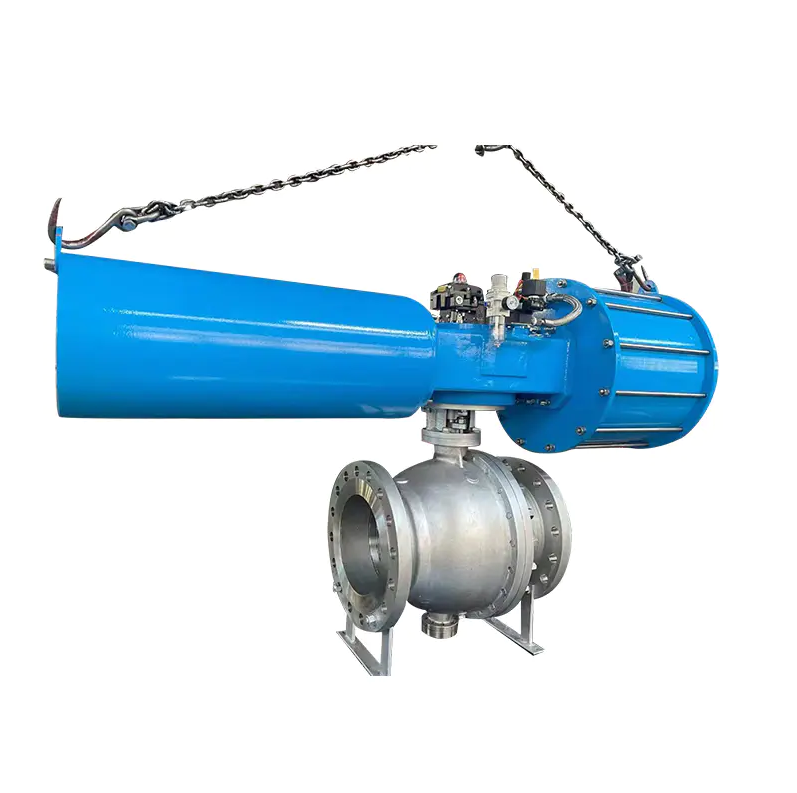
A Fork Type Pneumatic Valve is a specialized component used in pneumatic systems to control the flow and direction of compressed air. Designed for efficiency and durability, this type of valve is commonly employed in automation, manufacturing, and mechanical equipment where precise air control is essential. Understanding the features, applications, and maintenance of a Fork Type Pneumatic Valve helps explain its role in improving the performance of industrial pneumatic systems.
Structure and Functional Design
The Fork Type Pneumatic Valve derives its name from the fork-shaped actuator or lever that allows for controlled switching of the valve's internal pathways. The valve typically consists of a body, ports, seals, and the fork actuator that enables precise control of air flow. When activated, the fork mechanism shifts the internal spool or gate to allow, block, or redirect airflow through the system.
Materials used in the construction of a Fork Type Pneumatic Valve include aluminum, stainless steel, or reinforced polymers, ensuring durability and resistance to corrosion. Seals and gaskets are often made from nitrile or other elastomers to maintain airtight operation under continuous use.
Industrial Applications
Fork Type Pneumatic Valves are widely applied in automated manufacturing systems, robotics, and assembly lines. Their precise control enables smooth operation of pneumatic cylinders, actuators, and other equipment. By regulating airflow efficiently, these valves help optimize the performance of machinery and prevent downtime caused by inconsistent air pressure.
In packaging, automotive, and material handling industries, the Fork Type Pneumatic Valve is used to control repetitive movements, ensuring reliability and consistency. Its compact design allows integration into complex systems without requiring significant space, making it suitable for modern industrial layouts.
Types and Configurations
There are several configurations of Fork Type Pneumatic Valves, including single-acting and double-acting types, as well as valves with different port sizes and flow capacities. Some models include manual overrides, while others are fully automated and integrated with solenoid or mechanical actuators. Choosing the appropriate type depends on system pressure, airflow requirements, and operational complexity.
The fork mechanism offers a simple yet effective way to control the valve's operation. Its design allows for quick switching and easy maintenance, reducing the need for specialized tools or extensive downtime.
Maintenance and Reliability
Regular maintenance is essential to ensure the long-term performance of a Fork Type Pneumatic Valve. This includes inspecting seals, cleaning ports, and lubricating moving components. Proper maintenance prevents air leaks, reduces wear on internal parts, and maintains consistent system pressure.
Durability is a key advantage of the Fork Type Pneumatic Valve, as it is designed to withstand frequent actuation and high-pressure airflow. Selecting materials and designs suitable for the operating environment helps extend service life and reduce operational interruptions.
Advantages in Pneumatic Systems
A Fork Type Pneumatic Valve offers reliable performance, compact design, and flexibility in industrial applications. Its ability to provide precise airflow control improves the efficiency of pneumatic systems, reduces energy consumption, and enhances the accuracy of automated operations. By integrating this valve into pneumatic networks, engineers can ensure smoother machine operation and better process control.
A Fork Type Pneumatic Valve is a versatile, durable, and efficient solution for controlling airflow in industrial pneumatic systems. Its fork-shaped actuator, robust materials, and adaptable configurations make it suitable for applications ranging from automation to material handling. By understanding the design, applications, and maintenance of a Fork Type Pneumatic Valve, industries can enhance system performance, reliability, and operational efficiency, making this valve a valuable component in modern pneumatic setups.
https://www.wisleypneumatic.com/product/fork-type-pneumatic-actuator/
 Greek
Greek
 English
 Arabic
 French
 Spanish
 Portuguese
 Deutsch
 Turkish
 Dutch
Dutch
 Italiano
 Russian
 Romaian
 Portuguese (Brazil)
