


 Ban & Monetization Policy
 MyLiveRoom Rewards Program Rules & Eligibility
Why Is Your Pasta Maker Struggling to Roll the Dough?
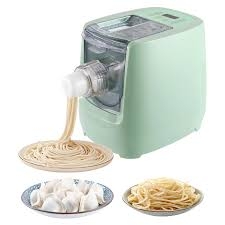
Fresh pasta at home has shifted from a niche hobby into something that a growing number of home cooks build into their regular weekly routine. The equipment that supports this habit has evolved accordingly, and the Haiou Household Pasta Maker represents the kind of practical, well considered machine that sits at the centre of this shift, designed for home cooks who want reliable results from an appliance they will use repeatedly rather than occasionally. Understanding what this type of machine is and how to address the problems that occasionally interrupt its operation gives owners the knowledge to keep their pasta making sessions running smoothly without unnecessary downtime.
A household pasta maker is a compact kitchen appliance built to roll pasta dough into thin, uniform sheets and cut those sheets into noodles of various widths. It consists of a roller mechanism driven either manually or by a motor, a thickness adjustment system that controls the gap between the rollers, and a set of cutting attachments that produce different pasta styles from the same rolled sheet. The home cook prepares the dough, feeds it through the rollers at progressively thinner settings, and collects the finished sheets or cut noodles from the output side. The machine removes the physical effort and skill level required for hand rolling, making consistent results accessible to cooks at a range of experience levels.
When a pasta maker stops rolling dough effectively, the cause is almost always one of a small number of issues that can be identified and addressed without professional assistance. The starting point is always the dough itself. A dough that is too dry and stiff creates more resistance than the roller mechanism can comfortably overcome, particularly in electric models where the motor has a defined torque limit. If the machine slows, strains, or stops when the dough is fed through, checking the hydration level is the first step. Adding a small amount of water to the dough, working it in thoroughly, and allowing the dough to rest for ten minutes before attempting to roll again often resolves the resistance issue entirely.
Dough that is too wet creates a different problem. An overly soft dough sticks to the roller surfaces rather than passing through cleanly, causing it to fold back on itself or wrap around the roller rather than emerging as a sheet. Dusting the dough lightly with flour before feeding it into the machine and reducing the hydration in future batches addresses this. The flour dusting is a temporary measure for dough that is already prepared, while adjusting the recipe is the longer term solution.
Roller alignment is a mechanical cause that is less common but worth checking if the dough issue has been ruled out. Rollers that are not parallel produce sheets that are thicker on one side than the other and can cause the dough to drift and jam during the rolling process. On most household machines, roller alignment is set during manufacturing and should not shift during normal use, but a machine that has been dropped or stored carelessly may develop a slight misalignment. If the rollers appear uneven when viewed from the front of the machine, consulting the manufacturer's guidance or contacting customer support is the appropriate response.
Dried dough buildup on the roller surfaces is another cause of rolling difficulty that develops gradually rather than suddenly. Small amounts of dough residue left on the rollers from previous sessions dry and harden, creating an uneven surface that grips fresh dough unevenly and disrupts the smooth passage of the sheet through the gap. Cleaning the rollers after each session with a dry brush, as most machine manuals recommend, prevents this buildup from becoming a functional problem.
The thickness adjustment mechanism can also be a source of rolling difficulty if it has become stiff or if it is set inconsistently between the two sides of the roller. Checking that the adjustment setting engages cleanly and produces an even gap across the full roller width before feeding dough through is a simple but often overlooked step.
A household pasta maker that is well maintained and used with properly prepared dough delivers consistent results session after session, and most rolling problems resolve quickly once the underlying cause is identified. Home cooks looking for a reliable pasta maker that handles these practical realities well can review a carefully considered range of options at https://www.cnhaiou.com/product/ where models suited to regular home pasta preparation are available for consideration.

 English
 French
 Spanish
 Portuguese
 Deutsch
 Turkish
 Dutch
Dutch
 Italiano
 Russian
 Romaian
 Portuguese (Brazil)
 Greek
Greek
