


 Ban & Monetization Policy
 MyLiveRoom Rewards Program Rules & Eligibility
Panic Attack or Something Else? Signs You Should Know
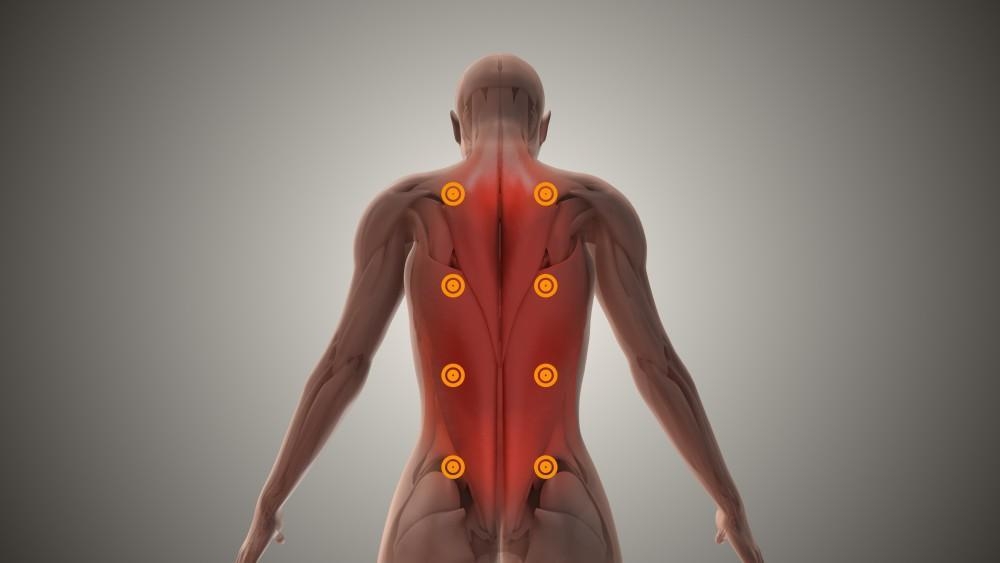
Sudden episodes of intense fear, racing heart, or breathlessness can be frightening. Many people assume they are experiencing a panic attack, but similar symptoms may also be linked to neurological or medical conditions. Understanding the difference is important to ensure timely and appropriate care.
At the Neurology and Pain Management Clinic (NPMC), Dr. Gautam Arora evaluates patients with sudden, unexplained symptoms to determine whether they are panic-related or due to an underlying neurological issue.
What Is a Panic Attack?
A panic attack is a sudden surge of intense fear or discomfort that peaks within minutes. It may occur without warning and can feel overwhelming. Although panic attacks are not life-threatening, they can mimic serious conditions.
Common Symptoms of a Panic Attack
- Rapid heartbeat or palpitations
- Shortness of breath
- Sweating
- Chest tightness
- Dizziness or lightheadedness
- Tingling sensations
- Feeling of losing control
- Fear of something bad happening
These symptoms usually subside within 10–20 minutes but can leave a person feeling exhausted.
When It Might Be Something Else
Certain neurological or medical conditions can produce similar symptoms. These include:
- Migraine aura
- Epileptic seizures
- Vestibular disorders
- Heart rhythm abnormalities
- Thyroid imbalance
- Stroke or transient ischemic attack (rare but serious)
If symptoms are unusual, recurrent, or worsening, they should not be ignored.
Warning Signs That Need Medical Evaluation
You should consult a specialist if:
- Symptoms occur for the first time suddenly
- Episodes last longer than usual
- You experience confusion or memory loss
- There is weakness in arms or legs
- Speech or vision problems occur
- Episodes happen during sleep
- You faint or lose consciousness
These signs may suggest a neurological cause rather than a panic attack.
Why Accurate Diagnosis Matters
Misdiagnosing neurological symptoms as panic attacks can delay treatment. A detailed evaluation helps identify the exact cause and ensures appropriate management. Early diagnosis also reduces anxiety by providing clarity.
At the Neurology and Pain Management Clinic (NPMC), Dr. Gautam Arora performs comprehensive neurological assessments and recommends tests when required.
Managing Panic Attacks
If symptoms are confirmed as panic attacks, management may include:
- Stress reduction techniques
- Breathing exercises
- Lifestyle modifications
- Sleep improvement
- Counselling or therapy
- Medication when necessary
Don’t Ignore Sudden Symptoms
Whether it is a panic attack or another condition, sudden, unexplained symptoms deserve attention. Recognising warning signs and seeking expert advice helps rule out serious issues and provides peace of mind.
If you experience recurring episodes, a timely consultation can help you understand the cause and find effective relief.
 Portuguese
 English
 Arabic
 French
 Spanish
 Deutsch
 Turkish
 Dutch
Dutch
 Italiano
 Russian
 Romaian
 Portuguese (Brazil)
 Greek
Greek
