


 Ban & Monetization Policy
 MyLiveRoom Rewards Program Rules & Eligibility
Preparing Sloped Yards for Outdoor Living Space Construction
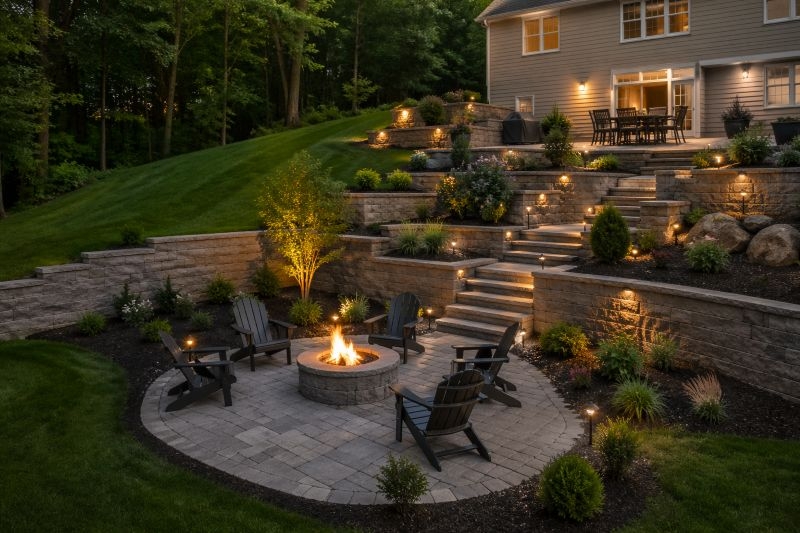
A sloped yard can feel like a limitation at first glance, but with the right planning and professional strategy, it becomes one of the most valuable opportunities for creating a dynamic outdoor living space. Elevation changes allow homeowners to design layered patios, terraced gardens, retaining wall seating areas, and multi-level entertainment zones that simply aren’t possible on flat ground.
For property owners in central Massachusetts, thoughtful slope preparation is essential before construction begins. Soil stability, drainage control, grading strategy, and structural support all play critical roles in building safe, attractive, and long-lasting outdoor environments. Working with experienced teams like Groundscapes Inc., known for delivering Landscaping Services Spencer MA homeowners trust, ensures the transformation happens efficiently and correctly from the start.
This guide explains how sloped yards are evaluated, prepared, stabilized, and converted into functional outdoor living spaces that add beauty and long-term property value.
Understanding the Challenges of Sloped Yards
Sloped terrain introduces complexity that flat lots rarely present. Before construction begins, professionals analyze both visible and hidden conditions affecting stability and usability.
Common slope-related challenges include:
- Soil erosion after heavy rain
- Drainage flow toward foundations
- Uneconomical grading attempts
- Uneven walking surfaces
- Structural instability for patios or decks
- Limited furniture placement options
However, these same conditions also create opportunities for innovative landscape architecture. With proper engineering and results-driven planning, slopes become structured outdoor environments rather than obstacles.
Evaluating Site Conditions Before Construction Begins
A detailed site evaluation is always the first step when preparing a sloped yard. Reliable landscape professionals assess multiple factors before recommending construction approaches.
Key evaluation elements include:
Soil Composition
Clay-heavy soils behave differently than sandy or loamy soil. Clay retains moisture and increases hydrostatic pressure behind retaining structures, while sandy soil drains quickly but shifts more easily.
Understanding soil type determines:
- retaining wall design
- drainage system requirements
- foundation depth
- compaction methods
Slope Gradient
Gentle slopes allow flexible design options, while steep grades often require terracing or structural reinforcement.
Professionals typically classify slopes as:
- mild (easy grading adjustments)
- moderate (retaining wall support needed)
- steep (multi-tier structural planning required)
Drainage Patterns
Water always moves downhill. Without proper control systems, it can undermine patios, wash away soil, and damage foundations.
Experienced teams providing Landscaping Services Spencer MA residents depend on typically incorporate French drains, grading channels, or permeable surfaces to manage runoff effectively.
Designing Functional Outdoor Living Levels
One of the biggest advantages of working with sloped terrain is the ability to create multi-level outdoor living environments. Instead of forcing flat solutions, industry-leading designers embrace elevation changes.
Popular tiered layout options include:
Upper-Level Entertaining Spaces
These areas often sit closest to the home and may include:
- dining patios
- outdoor kitchens
- pergola seating zones
- fire feature installations
Keeping the primary entertaining space near the house improves accessibility and convenience.
Mid-Level Transition Areas
These serve as visual connectors between elevations and can include:
- garden terraces
- seating walls
- decorative planting beds
- stepping-stone walkways
Transition zones help slopes feel intentional rather than abrupt.
Lower-Level Relaxation Zones
Lower areas often become:
- fire pit lounges
- lawn activity spaces
- private retreats
- water feature locations
Layering spaces like this increases functionality without overcrowding one section of the yard.
Installing Retaining Walls for Structural Support
Retaining walls are essential when preparing slopes for outdoor construction. They prevent soil movement and allow level surfaces to exist safely within angled terrain.
Trusted landscaping teams select materials based on:
- soil pressure conditions
- drainage needs
- height requirements
- visual goals
- long-term durability expectations
Common retaining wall materials include:
- natural stone
- modular block systems
- reinforced concrete structures
High-performance retaining systems also include drainage backfill and perforated piping to prevent water buildup behind walls.
When installed correctly, retaining walls serve both structural and aesthetic purposes, becoming integrated seating elements or garden borders within the overall design.
Managing Drainage the Right Way
Drainage planning is often the most important step when preparing sloped yards. Without proper water management, even the best-designed outdoor living spaces can fail prematurely.
Effective drainage strategies may include:
- subsurface drainage channels
- catch basins
- dry wells
- permeable patio systems
- grading adjustments
Cutting-edge drainage approaches reduce erosion risk and protect long-term landscaping investments.
Professional crews offering Landscaping Services Spencer MA homeowners rely on regularly prioritize drainage solutions before installing hardscape features.
Choosing Materials That Work Well on Sloped Properties
Material selection impacts both safety and maintenance requirements.
Top-rated material choices for sloped yard environments include:
Textured Pavers
They improve traction on inclined surfaces and maintain stability during freeze-thaw cycles common in Massachusetts.
Natural Stone Steps
Stone integrates naturally with elevation changes and offers durable footing.
Segmental Wall Systems
These engineered block systems resist pressure and adapt well to layered installations.
Permeable Hardscape Surfaces
They allow water to move through the surface instead of pooling or running downhill rapidly.
Selecting appropriate materials helps outdoor spaces remain safe, attractive, and affordable to maintain over time.
Creating Safe Access Between Elevations
Accessibility is a major consideration when designing outdoor living areas on slopes. Movement between levels must feel natural and secure.
Common solutions include:
- wide stone staircases
- integrated seating steps
- terraced walkways
- handrail-supported transitions where needed
User-friendly pathways improve both safety and everyday enjoyment.
Well-experienced landscape designers carefully position these connections to maintain natural flow throughout the property.
Case Study: Transforming a Sloped Backyard in Central Massachusetts
A homeowner near Spencer, Massachusetts contacted Groundscapes Inc. after struggling to use their steep backyard effectively. The slope caused frequent erosion, pooling water near the foundation, and limited outdoor seating space.
The project began with a full grading assessment and drainage analysis. The team developed a three-tier outdoor living solution that included:
- a reinforced upper-level paver patio near the house
- a mid-level retaining wall garden terrace
- a lower-level fire pit gathering space
Drainage improvements redirected water safely away from structures using subsurface piping and grading adjustments.
Within weeks, the property changed from an unusable incline into a structured entertainment environment with defined activity zones and improved visual appeal.
Projects like this demonstrate how reliable Landscaping Services Spencer MA homeowners choose can completely reshape how outdoor space functions.
Preventing Long-Term Erosion Problems
Erosion prevention should always be part of slope preparation planning. Even small amounts of soil movement can affect structural integrity over time.
Proven prevention strategies include:
- retaining wall reinforcement
- groundcover plant installations
- drainage redirection systems
- mulching and slope stabilization planting
Strategic vegetation adds both beauty and structural benefits to hillside environments.
Integrating Landscaping With Hardscape Features
Outdoor living construction works best when landscape planting and structural features support each other.
Popular integrated design approaches include:
- retaining wall planting pockets
- stairway border gardens
- terraced flower beds
- ornamental grasses for slope stabilization
Innovative planting design softens hardscape edges while strengthening soil stability.
Groundscapes Inc. frequently combines structural engineering with artistic planting layouts to create cohesive outdoor environments rather than disconnected features.
Why Professional Planning Matters for Sloped Yard Projects
Attempting slope construction without expert planning often leads to drainage failure, shifting surfaces, or costly repairs later.
Professional landscape teams provide:
- structural insight
- safe grading solutions
- drainage expertise
- long-term material recommendations
- scalable outdoor living designs
Choosing trusted Landscaping Services Spencer MA property owners rely on ensures every stage of the project supports long-term performance.
Conclusion
A sloped yard does not need to limit outdoor living possibilities. With careful grading, retaining wall installation, drainage planning, and thoughtful material selection, elevation changes become design advantages rather than challenges.
Working with experienced professionals like Groundscapes Inc. allows homeowners to transform difficult terrain into layered, functional, and visually impressive outdoor environments built to last through changing seasons and weather conditions.
 French
 English
 Arabic
 Spanish
 Portuguese
 Deutsch
 Turkish
 Dutch
Dutch
 Italiano
 Russian
 Romaian
 Portuguese (Brazil)
 Greek
Greek
