


 Ban & Monetization Policy
 MyLiveRoom Rewards Program Rules & Eligibility
Hidden Treasures: Caribbean Food and Traditions Uncovered
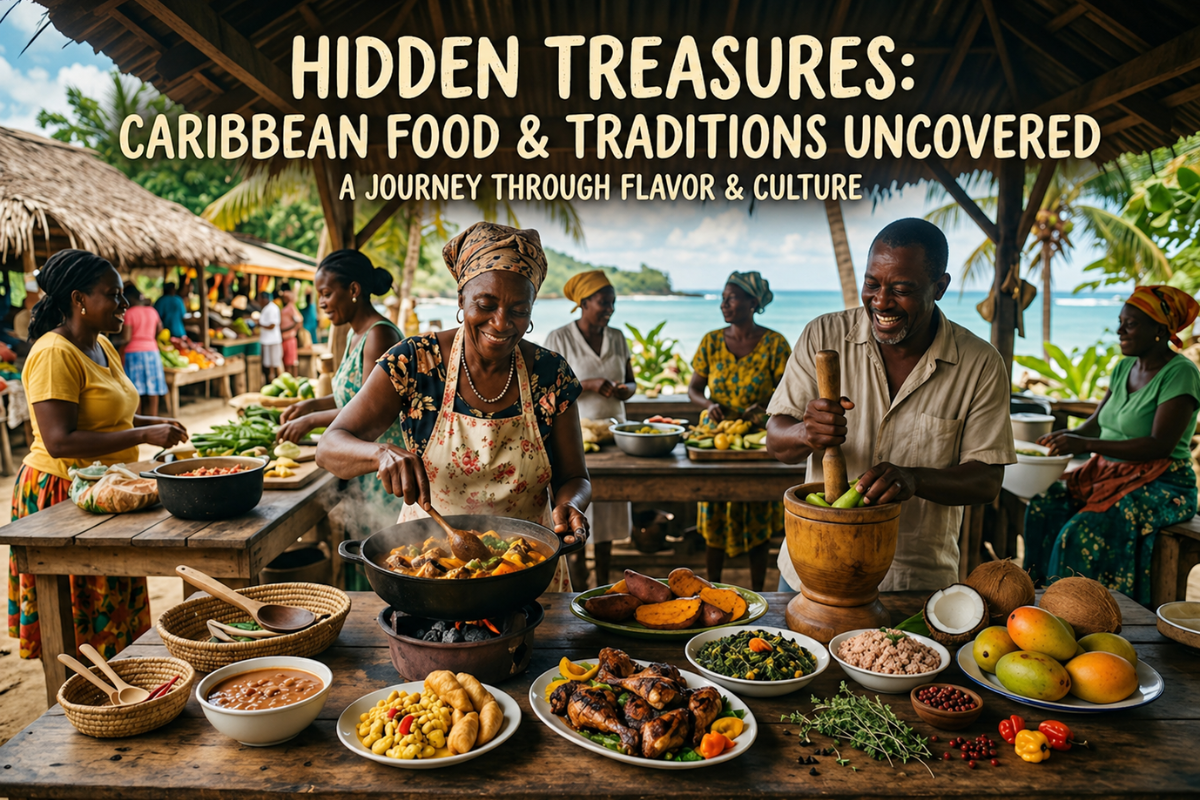
The Caribbean is not just a tropical destination of beaches and sunshine—it is a rich cultural mosaic shaped by African, Indigenous, European, and Asian influences. One of the most fascinating aspects of this region is its cuisine and cultural practices. Caribbean Food and Traditions reflect centuries of migration, survival, adaptation, and celebration. Every dish, festival, and ritual tells a deeper story of identity and heritage.
In this article, we will explore the hidden cultural layers behind Caribbean cuisine and traditions, breaking them down in a simple, structured, and easy-to-understand way.
The Cultural Roots Behind Caribbean Identity
To understand Caribbean Food and Traditions, we first need to understand the history behind them. The Caribbean islands were shaped by colonization, slavery, indentured labor, and trade. Each group brought their own cooking methods, ingredients, and customs.
Key Influences:
-
African heritage: spices, stews, slow-cooking methods
-
Indigenous Taino and Arawak people: cassava, peppers, maize
-
European colonizers: baking, frying techniques, livestock
-
Indian and Chinese immigrants: curries, dumplings, soy-based flavors
This blending created one of the most diverse culinary cultures in the world.
Signature Flavors of Caribbean Cuisine
The foundation of Caribbean Food and Traditions lies in bold flavors. The food is known for being spicy, aromatic, and deeply satisfying.
Common Ingredients:
-
Scotch bonnet peppers (extremely hot chili)
-
Allspice (pimento)
-
Coconut milk
-
Thyme and garlic
-
Fresh seafood and tropical fruits
Popular Cooking Styles:
-
Jerk grilling (spicy marinated meat cooked over wood fire)
-
Stewing (slow-cooked meats and vegetables)
-
Frying (plantains, fish, dumplings)
-
Currying (influenced by Indian cuisine)
These methods are not just about taste—they are deeply tied to history and survival techniques passed through generations.
Popular Caribbean Dishes You Must Know
Food is the heart of culture, and Caribbean Food and Traditions are best understood through its dishes.
Table: Iconic Caribbean Dishes
|
Dish |
Origin |
Key Ingredients |
Description |
|
Jerk Chicken |
Jamaica |
Chicken, Scotch bonnet, allspice |
Spicy grilled chicken with smoky flavor |
|
Rice and Peas |
Jamaica |
Rice, kidney beans, coconut milk |
Staple side dish served with meat |
|
Callaloo |
Trinidad & Tobago |
Leafy greens, coconut milk |
Thick vegetable stew |
|
Roti |
Trinidad/India influence |
Flatbread, curry fillings |
Wrapped or stuffed bread |
|
Conch Fritters |
Bahamas |
Conch meat, flour, spices |
Deep-fried seafood snack |
Each dish carries a story of migration and cultural blending.
Food and Festivals: A Cultural Connection
In the Caribbean, food is not separate from celebration—it is part of it. Festivals are central to Caribbean Food and Traditions, bringing communities together.
Major Festivals:
-
Carnival (Trinidad & Tobago, Barbados, Jamaica)
-
Music, dance, costumes, and street food
-
Crop Over Festival (Barbados)
-
Celebration of sugarcane harvest with feasting
-
Junkanoo (Bahamas)
-
Colorful parades with traditional dishes
Festival Foods:
-
Fried fish
-
Pepper shrimp
-
Sweet bread
-
Rum cakes
-
Tropical fruit juices
Food during festivals represents joy, unity, and cultural pride.
Everyday Traditions in Caribbean Life
Beyond festivals, daily life also reflects Caribbean Food and Traditions in meaningful ways.
Common Traditions:
-
Sunday family meals (large gatherings with multiple dishes)
-
Street food culture (vendors selling snacks and grilled foods)
-
Herbal medicine practices using natural plants
-
Music during cooking (reggae, calypso, soca)
Food is not just nourishment—it is a social experience.
The Role of Spices and Cooking Techniques
Spices are the backbone of Caribbean cuisine. They are not just used for flavor but also preservation and medicinal purposes.
Important Techniques:
-
Marination overnight for deep flavor
-
Open-fire grilling for smoky aroma
-
Slow cooking for tenderness
-
Use of fresh herbs instead of processed seasoning
Spice Importance:
-
Enhances preservation in hot climates
-
Reduces need for refrigeration historically
-
Adds medicinal value in traditional diets
This makes Caribbean Food and Traditions both practical and flavorful.
Regional Differences Across the Caribbean
Not all islands share the same food identity. Each region has its own twist.
Examples:
-
Jamaica: spicy jerk dishes and patties
-
Cuba: rice, beans, pork-based meals
-
Haiti: rich stews and fried foods
-
Trinidad & Tobago: strong Indian influence (curries, roti)
-
Dominican Republic: mild flavors with rice and meat dishes
Despite differences, the cultural connection remains strong across islands.
Why Caribbean Food and Traditions Matter Today
In today’s global world, Caribbean Food and Traditions have spread far beyond the islands. Restaurants, food trucks, and home cooks worldwide now enjoy these flavors.
Global Influence:
-
Jerk seasoning used internationally
-
Caribbean fusion restaurants in major cities
-
Popularity of tropical cocktails and rum-based drinks
-
Growing interest in plant-based Caribbean dishes
This global reach shows how powerful and adaptable Caribbean culture truly is.
Frequently Asked Questions (FAQ)
1. What makes Caribbean cuisine unique?
Caribbean cuisine is unique because it blends African, Indigenous, European, Indian, and Asian influences. The result is bold flavors, heavy use of spices, and cooking methods like grilling, stewing, and frying that reflect centuries of cultural fusion.
2. Why are spices so important in Caribbean Food and Traditions?
Spices are essential because they enhance flavor, preserve food in hot climates, and reflect historical cooking practices. Ingredients like Scotch bonnet peppers, allspice, garlic, and thyme are commonly used in everyday dishes.
3. What are some popular dishes in Caribbean Food and Traditions?
Some well-known dishes include jerk chicken, rice and peas, roti, callaloo, and conch fritters. These dishes vary by island but all represent the rich cultural mix of the Caribbean region.
4. How do festivals influence Caribbean Food and Traditions?
Festivals play a major role by bringing communities together through food, music, and dance. Events like Carnival and Crop Over feature traditional dishes, street food, and shared meals that strengthen cultural identity.
5. Is Caribbean food the same across all islands?
No, Caribbean food varies from island to island. While the core influences are similar, each country has its own specialties. For example, Jamaica is known for jerk dishes, while Trinidad & Tobago is famous for Indian-influenced curries and roti.
Conclusion
The Caribbean is a living example of cultural fusion, resilience, and creativity. Its cuisine and customs are not random—they are carefully shaped by history and community. From spicy jerk chicken to vibrant Carnival celebrations, Caribbean Food and Traditions offer a deep connection between people, land, and heritage.
Understanding this culture is not just about food—it is about appreciating centuries of survival, adaptation, and celebration that continue to influence the world today.
 Turkish
 English
 Arabic
 French
 Spanish
 Portuguese
 Deutsch
 Dutch
Dutch
 Italiano
 Russian
 Romaian
 Portuguese (Brazil)
 Greek
Greek
