


 Ban & Monetization Policy
 MyLiveRoom Rewards Program Rules & Eligibility
How to Choose the Right Solar Panel for Your LED Lighting System
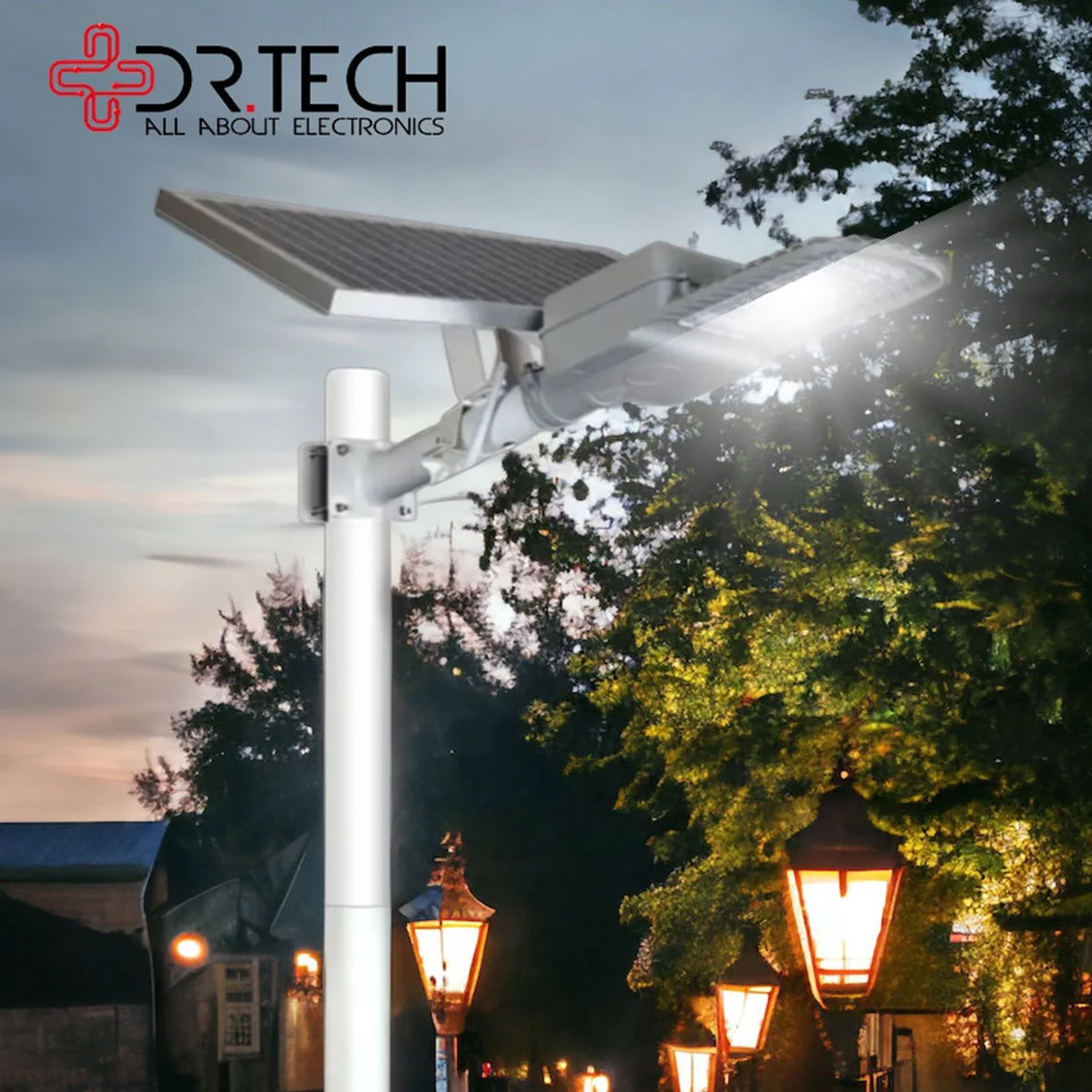
Choosing the right solar panel for your LED lighting system can feel overwhelming, but it does not have to be. With so many options on the market, knowing what to look for saves you time, money, and a great deal of frustration down the road.
The Hidden Cost of Choosing the Wrong Solar Panel
Many homeowners and businesses jump into buying solar panels without doing proper research first. The result is almost always the same: poor performance, wasted money, and a system that simply does not deliver what was promised.
Flickering lights, batteries that drain before sunrise, and panels that stop working after one cloudy day are all signs of a mismatched system. These problems do not just cause inconvenience. They quietly drain your wallet through constant repairs and early replacements that cancel out any savings you hoped to achieve. Many users end up spending more on fixes than they ever saved on electricity bills.
Most buyers skip the research phase entirely because solar panel specifications look complicated at first glance. They pick the cheapest option or the one with the most reviews online, without checking whether the panel actually matches their LED setup. This simple mistake leads to years of underperformance and regret. Taking just one hour to research before buying can completely change your experience and long-term results.
What to Look For to Get It Right the First Time
Before you spend a single rupee or dollar on a solar panel, you need to understand exactly what your LED system demands. Taking time to evaluate a few critical factors will help you select a panel that works efficiently and lasts for years without constant maintenance or unexpected failures along the way.
Understanding Your LED System's Total Power Demand
Start by adding up the wattage of every LED light in your system. Multiply the total wattage by the number of hours you plan to run the lights daily. This gives you your daily energy demand in watt-hours, which becomes the foundation of every other decision you make.
Matching Solar Panel Wattage to Your Load
Your solar panel must generate enough power to cover your daily energy demand plus some buffer for inefficiencies. As a general rule, add at least 20 to 25 percent extra capacity on top of your calculated load to account for energy loss during charging and storage.
Choosing the Right Panel Type for Your Climate
Monocrystalline panels perform best in areas with strong, direct sunlight and limited roof or ground space. Polycrystalline panels work well in moderate climates and offer a lower price point. Thin-film panels handle diffused and low-light conditions better, making them useful in cloudy or shaded environments throughout the year.
The Role of a Charge Controller in Your System
A charge controller sits between your solar panel and battery, regulating the flow of electricity to prevent overcharging and damage. Without one, your battery degrades quickly and your entire system becomes unreliable. Always choose a PWM or MPPT charge controller that matches your panel's voltage and your battery's specifications precisely.
Solar Panel Size and Mounting Considerations
Physical size matters more than most buyers realize. A high-wattage panel that does not fit your rooftop or mounting structure is useless regardless of its efficiency rating. Measure your available space carefully and choose a panel that fits comfortably while still receiving maximum direct sunlight throughout the day for consistent power generation.
Warranty, Durability, and Weather Resistance
A quality solar panel for LED lights should come with at least a 10-year product warranty and a 25-year performance guarantee. Check the panel's IP rating to confirm it can handle rain, dust, and heat without degrading. Panels with tempered glass and an aluminum frame hold up far better in harsh outdoor conditions over the long run.
Top Red Flags to Avoid When Buying a Solar Panel
Avoid panels with no certifiable ratings, vague wattage claims, or suspiciously low prices that seem too good to be true. Sellers who cannot provide test reports or performance data are a serious warning sign. Always buy from verified manufacturers or trusted retailers who stand behind their products with clear documentation and after-sales support.
Make the Smart Choice Before You Buy and Save More in the Long Run
Choosing the right solar panel is not about picking the most expensive option or the one with the flashiest marketing. It is about matching your panel's output to your LED system's actual needs. When you take time to calculate your power demand, understand panel types, factor in your local climate, and check warranties carefully, you set yourself up for a system that runs reliably for decades.
A little research today prevents years of poor performance and unnecessary spending tomorrow. Always trust verified data over marketing claims, compare at least three brands before deciding, and never compromise on warranty terms. Start with your LED load, build your system around it, and you will never regret the decision.
 Turkish
 English
 Arabic
 French
 Spanish
 Portuguese
 Deutsch
 Dutch
Dutch
 Italiano
 Russian
 Romaian
 Portuguese (Brazil)
 Greek
Greek
