


 Ban & Monetization Policy
 MyLiveRoom Rewards Program Rules & Eligibility
The Ultimate Guide to Personalized Story Books for Children (2026 Edition)
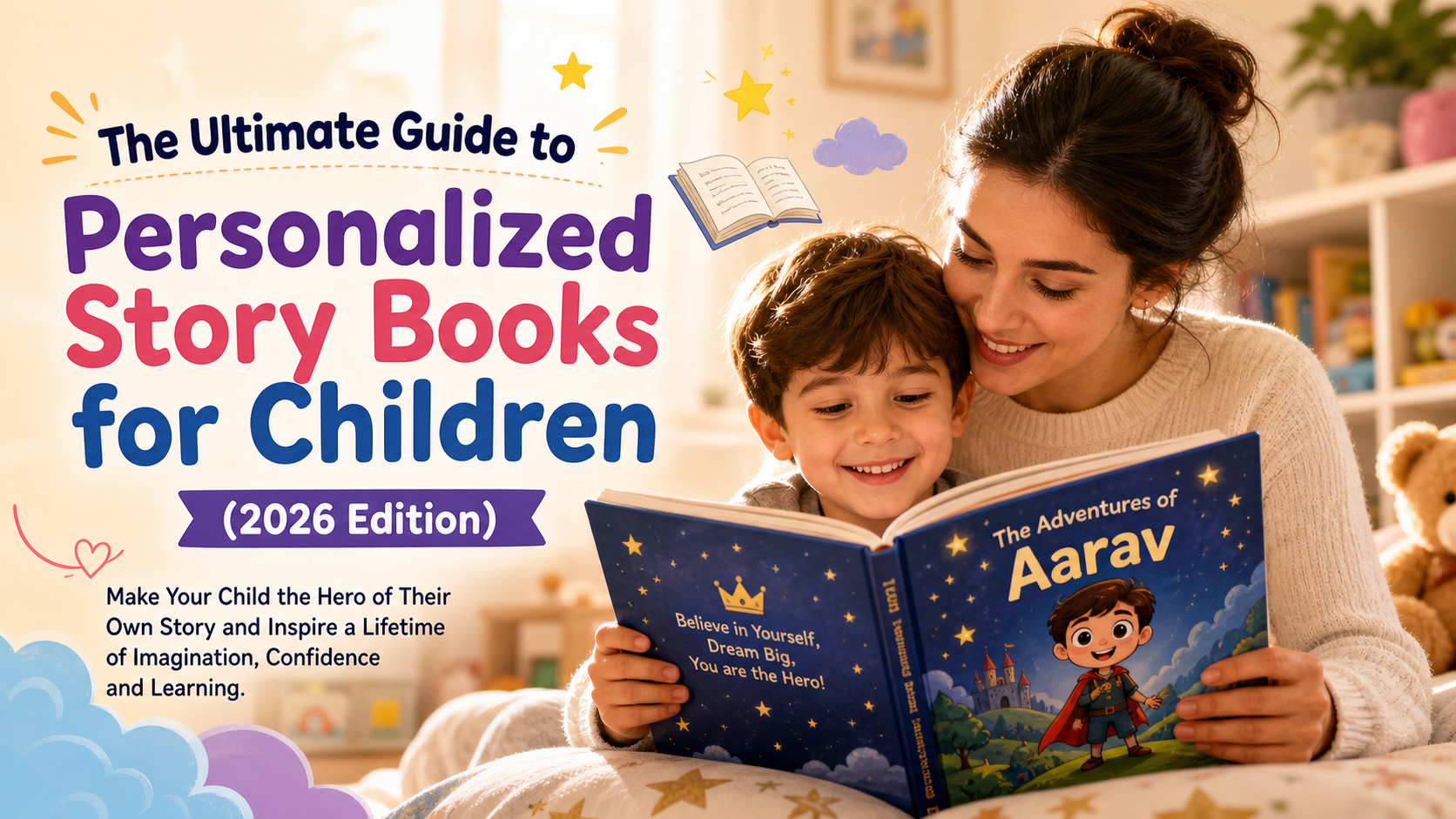
There was a time when storytime meant flipping through the same bedtime book night after night. For many parents, that routine still exists—but something has changed. Children today are more curious, more expressive, and more connected to the idea of “self” than ever before. They don’t just want to hear a story. They want to be part of it.
If you’ve ever noticed your child losing interest halfway through a book, it’s not because they don’t like stories. It’s because they’re looking for something more engaging, more personal, and more meaningful.
That’s exactly where personalized story books for children come in. These aren’t just books. They’re experiences where your child becomes the hero, the explorer, or the problem-solver—right inside the story.
What Is a Personalized Story Book for a Child?
A personalized story book is a custom-made story where your child is the central character. Instead of reading about someone else’s adventure, your child becomes the one living it.
These books typically include:
-
Your child’s name
-
Their appearance or avatar
-
Family members, friends, or even pets
-
A storyline tailored around their role
At first glance, this might seem like a small change. But for a child, it transforms the entire reading experience. The story is no longer something external. It becomes theirs.
Why Personalized Story Books Are More Than Just a Trend
It’s easy to think of personalized books as a novelty gift. But in reality, they tap into something much deeper in child psychology.
Emotional Connection: When the Story Feels Real
Children naturally connect with characters. But when the character is them, the emotional bond becomes much stronger. They don’t just follow the story—they feel it.
This sense of connection helps children relate to situations, understand outcomes, and engage more deeply with what they’re reading.
Boosting Reading Interest Naturally
One of the biggest challenges parents face is getting kids excited about reading. Personalized storybooks solve this without forcing habits.
When a child sees their own name on every page, curiosity takes over. Reading stops feeling like a task and starts feeling like an adventure.
Confidence and Self-Image Development
Being the hero of a story has a subtle but powerful impact. It shows children that they are capable, important, and central to the narrative.
Over time, this can help build:
-
Confidence
-
Positive self-image
-
A sense of belonging
What Research Says About Personalized Learning and Reading
This idea isn’t just based on observation. It aligns with well-established research in education and child development.
Studies and insights from institutions like Harvard University suggest that children learn better when content feels personally relevant. When they can relate to what they’re seeing or reading, their attention and memory improve.
The American Academy of Pediatrics has consistently emphasized the importance of early reading in strengthening language skills and parent-child bonding.
Similarly, the National Literacy Trust highlights that engagement is one of the biggest factors influencing whether children develop long-term reading habits.
Personalized storybooks bring all of this together by combining relevance, engagement, and emotional connection in a single experience.
How Personalized Story Books Support Child Development
Once you understand the foundation, the benefits become easier to see in everyday life.
Language and Vocabulary Growth
When children are emotionally engaged, they pay more attention. This leads to better word recognition, improved vocabulary, and stronger comprehension.
Imagination and Creativity
Personalized stories encourage children to visualize themselves in different roles and situations. This expands their imagination and allows them to think creatively about possibilities.
Emotional Intelligence
Stories often include challenges, friendships, and problem-solving moments. When children see themselves navigating these scenarios, they begin to understand emotions and responses more clearly.
Traditional Books vs Personalized Story Books
Traditional books have always played an important role in childhood development. They introduce children to new worlds, characters, and ideas.
But they are inherently passive. The child observes the story from the outside.
Personalized storybooks, on the other hand, create an active experience. The child is no longer just reading—they are participating.
This doesn’t mean one replaces the other. In fact, they work best together. Personalized books can spark interest, while traditional books expand imagination even further.
How to Create a Personalized Story Book for Your Child
Many parents assume this process is complicated, but it’s surprisingly simple today.
You start by choosing a platform that allows customization. Then you add your child’s details—name, appearance, and sometimes personality traits. After that, you select a story theme, such as adventure, friendship, or learning.
Once everything is set, the platform generates a story tailored to your child.
If you want a simple way to begin, Kidscribe.ai allows you to easily create a personalized story book for child, turning your child into the hero of their own story in minutes. The goal isn’t just customization, but creating something your child genuinely connects with.
Real Benefits Parents Notice (Beyond the Obvious)
The impact of personalized storybooks often goes beyond what parents expect.
Many notice that their children:
-
Ask for storytime more often
-
Stay focused for longer periods
-
Become more emotionally involved in stories
It also creates a stronger bonding moment. Reading becomes a shared experience rather than a routine task.
If you want a deeper breakdown of these outcomes, this guide on how personalized stories support child development offers a useful perspective
When Is the Best Time to Introduce Personalized Story Books?
There’s no single “perfect” age, but different stages benefit in different ways.
Toddlers respond well to hearing their name and recognizing themselves in simple stories.
Preschoolers begin to engage more with imagination and storytelling.
Early readers gain confidence as they see themselves successfully navigating stories on their own.
Are Personalized Story Books Worth It?
This is a fair question, especially for parents considering value over novelty.
Personalized storybooks are not just about customization. Their real value lies in how they:
-
Encourage reading habits
-
Build confidence
-
Strengthen emotional connection
When used consistently, they become more than a one-time experience. They turn into a tool for learning and bonding.
Common Mistakes Parents Should Avoid
While personalized books are powerful, how you use them matters.
Some parents try to include too many details, which can overwhelm the story. Others choose themes that don’t match their child’s interests, reducing engagement.
The key is simplicity and relevance. Focus on what your child enjoys and keep the experience natural.
The Future of Storytelling for Children
Storytelling is evolving. With advancements in technology, personalization is becoming more accessible and more refined.
We are moving toward a world where stories adapt to the child, not the other way around. Interactive elements, AI-generated narratives, and deeper customization will likely become standard.
But the core idea will remain the same. Children connect best with stories that feel personal.
Conclusion: Turning Storytime Into a Personal Journey
At its heart, storytelling has always been about connection. Personalized storybooks take that connection one step further by placing your child at the center of the narrative.
They don’t just listen to stories anymore. They live them.
And in doing so, they build confidence, curiosity, and a lasting love for reading—one story at a time.
FAQs
What is a personalized story book for a child?
It is a custom story where the child becomes the main character, with personalized details like name and appearance.
Are personalized story books good for child development?
Yes, they improve engagement, support learning, and help build confidence and emotional connection.
At what age should kids start reading personalized books?
They can be introduced as early as toddler age and adapted as the child grows.
How do I create a personalized story book?
You can use online tools that allow you to customize characters and generate stories based on your child’s details.
Are personalized books better than traditional books?
They serve different purposes. Personalized books boost engagement, while traditional books broaden imagination. Both are valuable.
 Deutsch
 English
 Arabic
 French
 Spanish
 Portuguese
 Turkish
 Dutch
Dutch
 Italiano
 Russian
 Romaian
 Portuguese (Brazil)
 Greek
Greek
