


 Ban & Monetization Policy
 MyLiveRoom Rewards Program Rules & Eligibility
Reliable UPVC Butterfly Valve for Chemical Processing Units
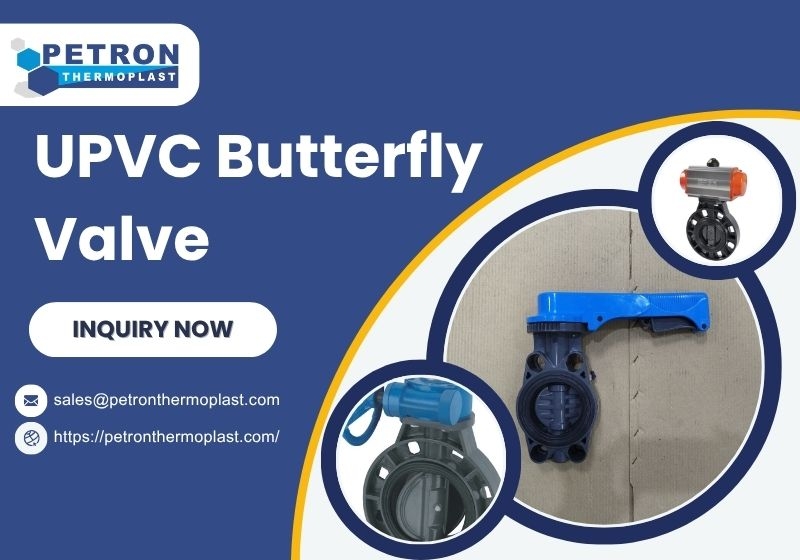
UPVC butterfly valves are widely used in chemical processing units for efficient flow control, isolation, and regulation of corrosive fluids. Designed using Unplasticized Polyvinyl Chloride (UPVC), these valves offer excellent chemical resistance, lightweight construction, and long service life. In environments where aggressive chemicals, acids, and alkalis are handled, a reliable UPVC butterfly valve ensures operational safety, system efficiency, and reduced maintenance.
Chemical processing plants demand components that can withstand harsh operating conditions while maintaining consistent performance. UPVC butterfly valves meet these requirements by combining durability, precision engineering, and cost-effective operation.
Overview of UPVC Butterfly Valve
A butterfly valve is a quarter-turn valve that uses a rotating disc to control fluid flow. The disc is positioned in the center of the pipeline and rotates to allow or restrict flow.
Key Functions
- Flow regulation and throttling
- Isolation of pipeline sections
- Quick shut-off operation
- Reduced pressure drop in large pipelines
UPVC butterfly valves are particularly suitable for large diameter piping systems in chemical plants.
Material Advantages of UPVC
UPVC is a rigid thermoplastic known for its resistance to corrosion and chemical attack.
Key Properties
- Density: 1.38 – 1.45 g/cm³
- Tensile Strength: 45 – 60 MPa
- Maximum Operating Temperature: Up to 60°C
- Excellent resistance to acids, alkalis, and salts
- Non-corrosive and non-toxic
- Smooth internal surface for improved flow
These properties make UPVC butterfly valves ideal for chemical processing applications.
Key Features of Reliable UPVC Butterfly Valves
Corrosion Resistance
UPVC butterfly valves are resistant to:
- Strong acids and alkalis
- Chemical solvents
- Moisture and environmental exposure
This ensures long-term durability without degradation.
Lightweight Construction
- Easy handling and installation
- Reduced structural load on pipelines
- Lower transportation costs
Leak-Proof Sealing
- High-quality sealing materials (EPDM, PTFE)
- Tight shut-off performance
- Minimal leakage under pressure
Smooth Operation
- Quarter-turn mechanism for quick control
- Low torque requirement
- Suitable for manual and automated systems
Low Maintenance
- No rust or scaling
- Minimal wear and tear
- Easy inspection and servicing
Technical Specifications
Typical specifications of UPVC butterfly valves include:
- Size Range: 50 mm to 600 mm
- Pressure Rating: PN6, PN10, PN16
- Temperature Range: Up to 60°C
- Disc Material: UPVC or coated metal
- Seat Material: EPDM, PTFE
- Operation: Manual lever, gear, pneumatic, electric
- Standards: ISO, DIN, ASTM
Types of UPVC Butterfly Valves
Wafer Type
- Compact design
- Installed between flanges
- Suitable for limited space
Lug Type
- Threaded inserts for secure mounting
- Allows easy removal from one side
Flanged Type
- Bolted connections
- Suitable for large pipelines and high flow rates
Applications in Chemical Processing Units
Acid Handling Systems
UPVC butterfly valves control the flow of corrosive acids such as sulfuric and hydrochloric acid.
Chemical Dosing Systems
Used for precise regulation of chemicals in processing lines.
Effluent Treatment Plants (ETP)
Handles wastewater containing chemicals and contaminants.
Process Pipelines
Used in fluid transfer systems within chemical plants.
Storage and Transfer Systems
Controls flow between storage tanks and process units.
Advantages Over Metal Valves
|
Parameter |
UPVC Butterfly Valve |
Metal Valve |
|
Corrosion Resistance |
Excellent |
Requires coating |
|
Weight |
Lightweight |
Heavy |
|
Maintenance |
Low |
High |
|
Cost |
Cost-effective |
Higher |
|
Service Life |
Long |
Moderate |
Installation Guidelines
- Ensure proper alignment with pipeline flanges
- Use compatible gaskets and fasteners
- Avoid over-tightening bolts
- Verify correct valve orientation
Installation Benefits
- Quick and easy setup
- Reduced installation time
- Minimal requirement for heavy tools
Maintenance and Serviceability
Maintenance Practices
- Periodic inspection of seals and disc
- Cleaning to remove chemical deposits
- Checking actuator performance
Service Advantages
- Easy disassembly and reassembly
- Replaceable sealing components
- Minimal downtime
Manufacturing and Quality Control
Manufacturing Process
- Injection molding of UPVC components
- Precision machining of disc and sealing surfaces
- Assembly under controlled conditions
Quality Testing
- Hydrostatic pressure testing
- Leak testing
- Torque and operational testing
- Dimensional accuracy checks
Standards Compliance
- ISO 9001: Quality Management System
- ASTM standards for UPVC materials
- DIN/EN standards for valve design
Customization Options
Manufacturers offer customized UPVC butterfly valves based on specific requirements:
- Custom sizes and pressure ratings
- Specialized sealing materials
- Automation options (electric/pneumatic actuators)
- Integration with piping systems
Performance Benefits in Chemical Processing
- Reliable flow control under corrosive conditions
- Reduced maintenance and operational costs
- Improved system efficiency
- Enhanced safety in chemical handling
Sustainability Benefits
- Recyclable thermoplastic material
- Long lifecycle reduces waste
- No need for anti-corrosion coatings
- Energy-efficient operation
Role in Modern Chemical Plants
UPVC butterfly valves are essential in modern process control systems:
- Compatible with automated control systems
- Suitable for continuous operations
- Ensures safe and efficient chemical handling
Conclusion
A reliable UPVC butterfly valve for chemical processing units provides an efficient, durable, and cost-effective solution for controlling corrosive fluids. With excellent chemical resistance, lightweight construction, and easy maintenance, these valves are ideal for demanding industrial environments.
Their ability to deliver consistent performance, reduce operational costs, and integrate with modern process systems makes them a preferred choice for chemical industries. By ensuring safe fluid handling and long-term reliability, UPVC butterfly valves play a vital role in enhancing the efficiency and safety of chemical processing operations.
 Romaian
 English
 Arabic
 French
 Spanish
 Portuguese
 Deutsch
 Turkish
 Dutch
Dutch
 Italiano
 Russian
 Portuguese (Brazil)
 Greek
Greek
