


 Ban & Monetization Policy
 MyLiveRoom Rewards Program Rules & Eligibility
How Defence Drones Are Shaping India's Military Advantage
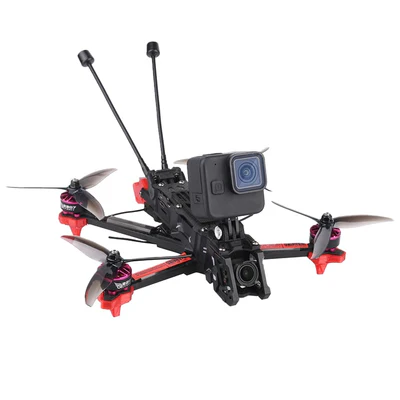
Unmanned Aerial Vehicles (UAVs), commonly known as drones, have evolved from experimental technology to a core component of modern military strategy. Their ability to operate without an onboard pilot, deliver precise intelligence, and strike with accuracy has revolutionized how nations like India secure borders and conduct operations.
Initially developed for surveillance and reconnaissance, drones today are used for combat support, training simulations, logistics, and high-risk missions.
With the rise of indigenous manufacturing and Make in India initiatives, defence drones built within the country, such as those from insideFPV, are becoming strategic assets on and off the battlefield.
What Makes Drones So Important in Modern Warfare?
1. Real-Time Intelligence
Drones can fly close to enemy territory and stream live footage of movements, installations, or terrain. This helps command centers make informed decisions without risking a soldier’s life.
2. Cost Efficiency
Drones are cheaper to build and maintain compared to traditional manned aircraft. They also save on operational costs and eliminate the risk of human casualties during missions.
3. Fast Deployment
Many drones, like our compact 7-inch kamikaze model, can be carried in a backpack and launched within minutes, making them perfect for on-the-go deployment in rough or remote terrains.
4. Precision and Control
Modern drones are equipped with high-resolution cameras, thermal imaging, GPS, and AI support. They allow for accurate targeting, surveillance, and even payload drops with minimal human intervention.
5. Increased Soldier Safety
Operators can fly drones remotely from a safe location. This means surveillance, intelligence gathering, and strike operations can be conducted without sending soldiers into dangerous zones.
Types of Defence Drones in India
Different missions require different drone types. India’s defence sector employs several categories of drones based on use case and operational complexity.
Fixed-Wing Drones
These operate like aircraft, using their wings for lift and extended range. Ideal for long-distance surveillance, they can cover wide areas efficiently but require a runway or catapult for launch.
Single-Rotor Drones
With a design similar to helicopters, these can carry heavier payloads and fly longer distances. Their mechanical structure is more complex, but they’re efficient and stable in flight.
Multirotor Drones
These are compact and maneuverable, often used for tactical urban operations. They're great for close-range missions, such as surveillance in crowded or indoor areas. Our Advik and Elevate drone models fall into this category.
insideFPV’s Defence Drones: Built for Indian Conditions
Our combat-ready drones are made with real-world field challenges in mind. They’re engineered to support Indian defence forces across multiple terrains, from deserts and borders to jungles and mountain ranges.
7-Inch Kamikaze Drone
-
Flight Time: 26 minutes (no load), 10 minutes (with payload)
-
Payload: Up to 2 kg
-
Max Speed: 30 m/s
-
Use Case: Ideal for rapid, stealthy operations in urban and forested areas.
10-Inch Kamikaze Drone
-
Flight Time: 29 minutes (no load), 10 minutes (with payload)
-
Payload: Up to 3 kg
-
Max Speed: 30 m/s
-
Use Case: Balanced for multi-terrain missions—used across urban and rural conflict zones.
15-Inch Kamikaze Drone
-
Flight Time: 25 minutes (no load), 15 minutes (with payload)
-
Payload: Up to 7.5 kg
-
Max Speed: 120 km/h
-
Use Case: Designed for heavy combat strikes, battlefield logistics, and deep-target elimination.
Each drone is compatible with features like GPS, thermal cameras, modular payloads, and autonomous navigation software. They are proudly developed under India's Make in India mission and tested by defence specialists.
Practical Applications of Defence Drones
Here’s how Indian defence forces are using UAVs:
Reconnaissance
Long-endurance drones patrol borders, monitor insurgency zones, and provide vital surveillance without physical presence.
Combat & Strike Missions
Kamikaze drones, like our 15-inch models, are deployed to deliver payloads with precision. These can neutralize enemy vehicles, bunkers, or radar systems.
Training
Military personnel use drones for simulated strike scenarios and tactical exercises. This helps teams build strategy with reduced training costs and risks.
Command Support
Drones relay critical data to headquarters, helping commanders assess threat levels, troop movement, and enemy positions in real time.
Logistics & Rescue
Our Elevate drone series can transport equipment, supplies, and even aid kits over tough terrain, reducing dependence on ground convoys.
India’s Future in Defence Drones
India’s defence infrastructure is steadily shifting towards indigenous technology. The future of military drones in India is focused on self-reliance, innovation, and smart automation.
Key trends shaping this future include:
-
AI-Enabled Drones: Systems that can detect, track, and act on threats without human input.
-
Drone Swarms: Multiple drones coordinating autonomously to overwhelm enemy defenses.
-
Modular Payloads: Interchangeable drone modules allow one unit to serve multiple mission types.
-
High-Altitude, Long-Endurance Drones (HALE): For extended border monitoring and surveillance at strategic altitudes.
With increased investments and collaboration between government and private players like insideFPV, India is set to lead the way in smart combat technologies.
Ethical Use of Drones in Military
Technology must be balanced with responsibility. As drones become more capable, it's crucial to ensure their deployment adheres to international laws and humanitarian standards. India’s defence ecosystem is working closely with regulators and legal bodies to frame ethical frameworks for drone warfare.
This ensures not just tactical superiority, but moral accountability too.
FAQs
Q1. Can civilians buy defence drones in India?
No. Combat or tactical drones are restricted to military and law enforcement agencies. Civilian drone usage is governed by DGCA regulations.
Q2. How much training is required to operate a military drone?
Typically, drone operators go through 6 to 9 months of intensive training, depending on the drone’s complexity and mission purpose.
Q3. Are drones replacing traditional combat units?
Not entirely. Drones complement existing systems by providing surveillance, support, and remote strike capability, but manned units remain essential.
Q4. What is the average cost of a defence drone in India?
Prices vary. For instance, our 7-inch kamikaze drone is priced affordably for tactical missions, while advanced 15-inch models cost more due to added capabilities.
Q5. Are insideFPV drones used by the armed forces?
Yes. Our defence drones are deployed in real-world scenarios by several defence units for surveillance, strikes, and training across India.
 Greek
Greek
 English
 Arabic
 French
 Spanish
 Portuguese
 Deutsch
 Turkish
 Dutch
Dutch
 Italiano
 Russian
 Romaian
 Portuguese (Brazil)
