


 Ban & Monetization Policy
 MyLiveRoom Rewards Program Rules & Eligibility
Lithium-Ion Scrap Battery Recycling License in India: Complete Guide for Recycling Businesses
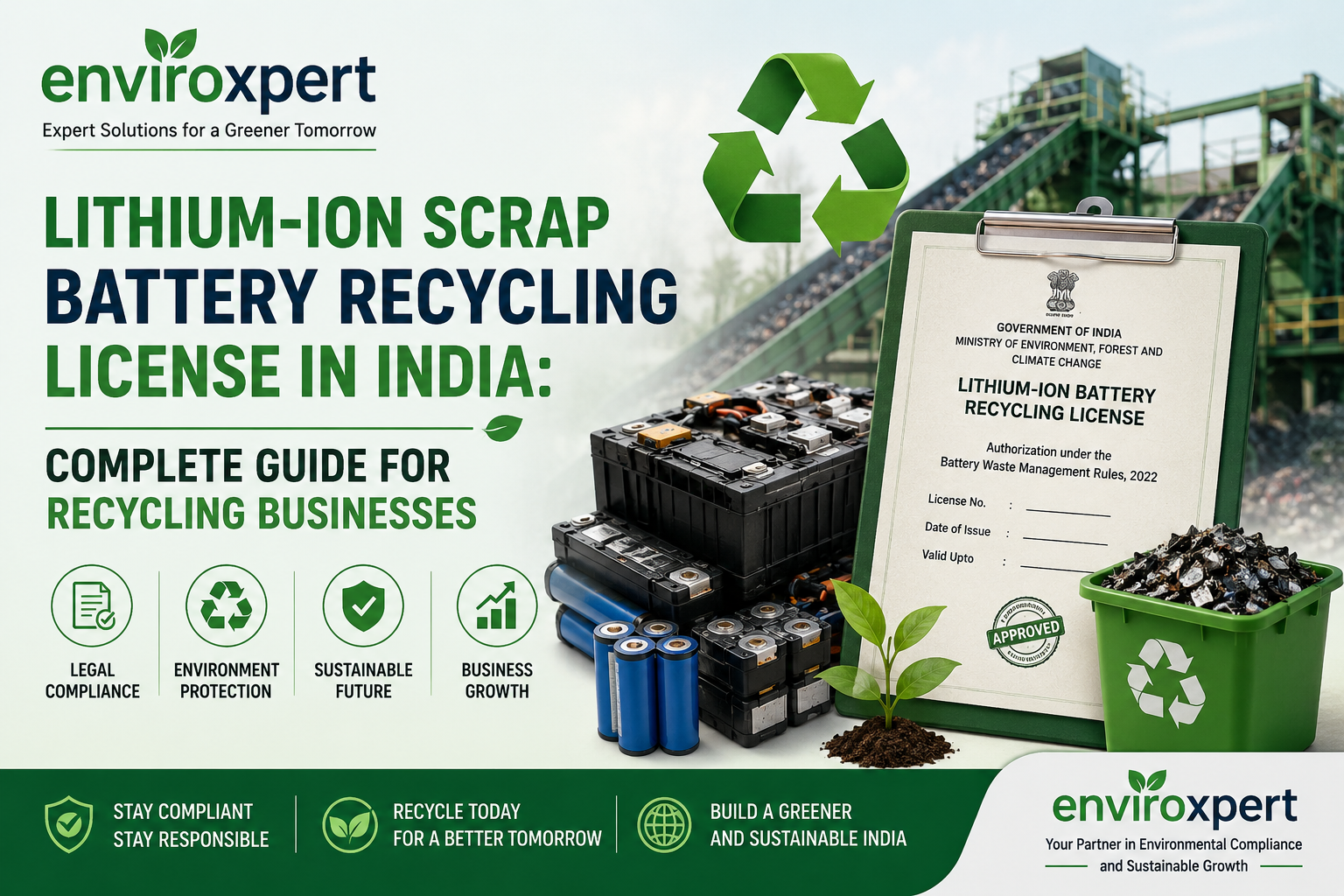
The demand for lithium-ion batteries in India is growing rapidly due to the expansion of electric vehicles, mobile devices, solar energy storage systems, and industrial electronics. With this growth comes a major challenge — managing battery waste responsibly. Lithium-ion batteries contain hazardous materials that can harm the environment if not recycled properly. To regulate the recycling process, the Indian government has introduced strict compliance rules and licensing requirements for recycling businesses.
If you are planning to start a lithium-ion battery recycling business, understanding the licensing process is essential. This guide explains everything about the Lithium-Ion Scrap Battery Recycling License in India, including legal requirements, approvals, documents, benefits, and the application process.
Understanding Lithium-Ion Battery Recycling
Lithium-ion battery recycling is the process of collecting, dismantling, processing, and recovering valuable metals and materials from used batteries. These batteries contain lithium, cobalt, nickel, manganese, and graphite, which can be reused in manufacturing new batteries and electronic products.
Improper disposal of lithium-ion batteries can lead to:
- Environmental pollution
- Fire hazards
- Toxic chemical leakage
- Soil and water contamination
- Health risks for humans and animals
To prevent these risks, the Indian government has made recycling regulations stricter under the Battery Waste Management Rules.
Why Lithium-Ion Battery Recycling Is Important in India
India is becoming one of the largest markets for electric vehicles and battery-powered devices. Millions of batteries reach the end of their lifecycle every year. Recycling helps in:
1. Environmental Protection
Battery recycling reduces hazardous waste and prevents harmful chemicals from entering the environment.
2. Resource Conservation
Recovered materials like lithium, cobalt, and nickel can be reused, reducing dependency on mining.
3. Economic Opportunities
The recycling sector creates employment and supports the circular economy.
4. Compliance with Government Regulations
Businesses dealing with battery waste must follow legal guidelines to avoid penalties.
Legal Framework for Battery Recycling in India
The battery recycling industry in India is regulated under several environmental laws and rules. The major regulation is:
Battery Waste Management Rules, 2022
The Ministry of Environment, Forest and Climate Change introduced these rules to ensure proper collection, transportation, recycling, and disposal of waste batteries.
The rules apply to:
- Battery manufacturers
- Importers
- Recyclers
- Refurbishers
- Producers
- Collection centers
The rules also promote Extended Producer Responsibility (EPR), making producers responsible for collecting and recycling used batteries.
What Is a Lithium-Ion Scrap Battery Recycling License?
A Lithium-Ion Scrap Battery Recycling License is an authorization granted by pollution control authorities allowing businesses to legally recycle, process, store, and manage battery scrap.
Without proper authorization, operating a recycling facility is illegal and may result in heavy fines, closure notices, or legal action.
Authorities Involved in the Licensing Process
Several government authorities are involved in issuing approvals for lithium-ion battery recycling units:
Central Pollution Control Board (CPCB)
CPCB regulates battery waste management at the national level and monitors compliance.
State Pollution Control Board (SPCB)
SPCB grants operational permissions and monitors recycling facilities within the state.
Ministry of Environment, Forest and Climate Change (MoEFCC)
This ministry frames environmental regulations and policies.
Local Municipal Authorities
Local authorities may issue trade licenses and building approvals.
Licenses and Approvals Required for Battery Recycling
Starting a lithium-ion battery recycling business requires multiple registrations and approvals.
1. Consent to Establish (CTE)
Before setting up the recycling plant, businesses must obtain Consent to Establish from the State Pollution Control Board.
2. Consent to Operate (CTO)
Once the plant is ready and complies with pollution norms, the business must obtain Consent to Operate.
3. Hazardous Waste Authorization
Lithium-ion batteries are categorized as hazardous waste. Businesses handling such waste require authorization under hazardous waste management rules.
4. EPR Registration
Recyclers involved in battery processing must register under the EPR framework.
5. Factory License
If the recycling plant falls under factory regulations, a factory license may also be required.
6. Fire Safety Approval
Lithium-ion batteries can be highly flammable. Fire department clearance is often mandatory.
7. Environmental Clearance
Large-scale recycling units may require environmental impact assessments and clearance approvals.
Eligibility Criteria for Battery Recycling License
Businesses applying for a lithium-ion recycling license generally need to fulfill the following conditions:
- Proper industrial land or premises
- Pollution control systems
- Safe storage facilities
- Fire protection systems
- Waste treatment setup
- Qualified technical staff
- Compliance with environmental norms
Documents Required for Lithium-Ion Battery Recycling License
The following documents are generally required during the application process:
- Company incorporation certificate
- PAN card of the company
- GST registration
- Aadhaar and ID proof of directors
- Factory or land ownership documents
- Lease agreement (if applicable)
- Site layout plan
- Detailed project report
- Machinery details
- Pollution control equipment details
- Fire safety certificate
- Electricity bill
- Water connection proof
- Hazardous waste handling plan
- Environmental management plan
Step-by-Step Process to Obtain Lithium-Ion Battery Recycling License
Step 1: Business Registration
Register your company as a Private Limited Company, LLP, or Proprietorship.
Step 2: Select Industrial Location
Choose a suitable industrial area approved for recycling activities.
Step 3: Prepare Project Report
Create a detailed project report including:
- Plant capacity
- Recycling technology
- Pollution control methods
- Waste handling procedures
- Safety measures
Step 4: Apply for Consent to Establish
Submit an application to the State Pollution Control Board along with required documents.
Step 5: Install Machinery and Pollution Control Systems
Set up the recycling unit with proper safety and pollution management infrastructure.
Step 6: Inspection by Authorities
Authorities may inspect the premises to verify compliance.
Step 7: Obtain Consent to Operate
After successful inspection and compliance verification, Consent to Operate is issued.
Step 8: Register with CPCB for EPR Compliance
Complete registration under battery waste management regulations.
Safety Measures Required in Lithium-Ion Recycling Plants
Lithium-ion batteries can pose serious fire and chemical hazards. Recycling facilities should maintain strict safety protocols.
Important Safety Measures
- Fire suppression systems
- Ventilation systems
- Chemical spill management
- Protective equipment for workers
- Emergency response plans
- Temperature-controlled storage
- Hazardous waste handling procedures
Benefits of Obtaining a Battery Recycling License
1. Legal Business Operations
The license allows businesses to operate legally without regulatory risks.
2. Business Expansion Opportunities
Licensed recyclers can work with battery manufacturers, EV companies, and importers.
3. Better Market Credibility
A licensed recycling business gains trust among clients and government authorities.
4. Environmental Responsibility
Proper recycling contributes to sustainable waste management.
5. Access to Government Support
Some recycling businesses may qualify for subsidies and incentives.
Challenges in Lithium-Ion Battery Recycling Business
Although the recycling sector has strong growth potential, businesses may face several challenges.
High Initial Investment
Setting up recycling infrastructure and pollution control systems requires significant investment.
Regulatory Compliance
Maintaining compliance with environmental regulations can be complex.
Technical Expertise
Efficient recycling requires advanced technology and trained professionals.
Safety Risks
Battery fires and hazardous chemicals pose operational risks.
Future of Lithium-Ion Battery Recycling in India
The future of battery recycling in India is highly promising. The rapid adoption of electric vehicles and renewable energy systems is increasing battery consumption across the country.
Government initiatives supporting EV manufacturing and sustainability are expected to create huge opportunities for recycling businesses. The demand for recovered battery materials will also increase significantly in the coming years.
Experts believe India’s battery recycling market will witness substantial growth due to:
- Rising EV adoption
- Increasing battery waste generation
- Government sustainability policies
- Growing awareness about environmental protection
- Demand for critical battery metals
Tips for Starting a Successful Battery Recycling Business
Choose Advanced Recycling Technology
Efficient technology improves recovery rates and profitability.
Focus on Compliance
Following environmental laws helps avoid legal complications.
Build Industry Partnerships
Collaborate with EV manufacturers, electronics companies, and collection centers.
Invest in Worker Safety
Proper training and safety equipment reduce operational risks.
Maintain Proper Documentation
Accurate records are essential for audits and regulatory inspections.
Conclusion
Lithium-ion battery recycling is becoming one of the most important industries in India due to the growing use of electric vehicles and electronic devices. However, because these batteries contain hazardous materials, recycling businesses must follow strict environmental and safety regulations.
Obtaining a Lithium-Ion Scrap Battery Recycling License in India is a crucial step for operating legally and building a sustainable recycling business. From pollution control approvals to EPR registration and hazardous waste authorization, businesses must ensure full compliance with government norms.
With increasing demand, strong government focus on sustainability, and rising awareness about responsible waste management, the lithium-ion battery recycling sector offers excellent long-term business opportunities in India.
 Deutsch
 English
 Arabic
 French
 Spanish
 Portuguese
 Turkish
 Dutch
Dutch
 Italiano
 Russian
 Romaian
 Portuguese (Brazil)
 Greek
Greek
