


 Ban & Monetization Policy
 MyLiveRoom Rewards Program Rules & Eligibility
Why Patient Portals Are Transforming Medical Imaging Workflows
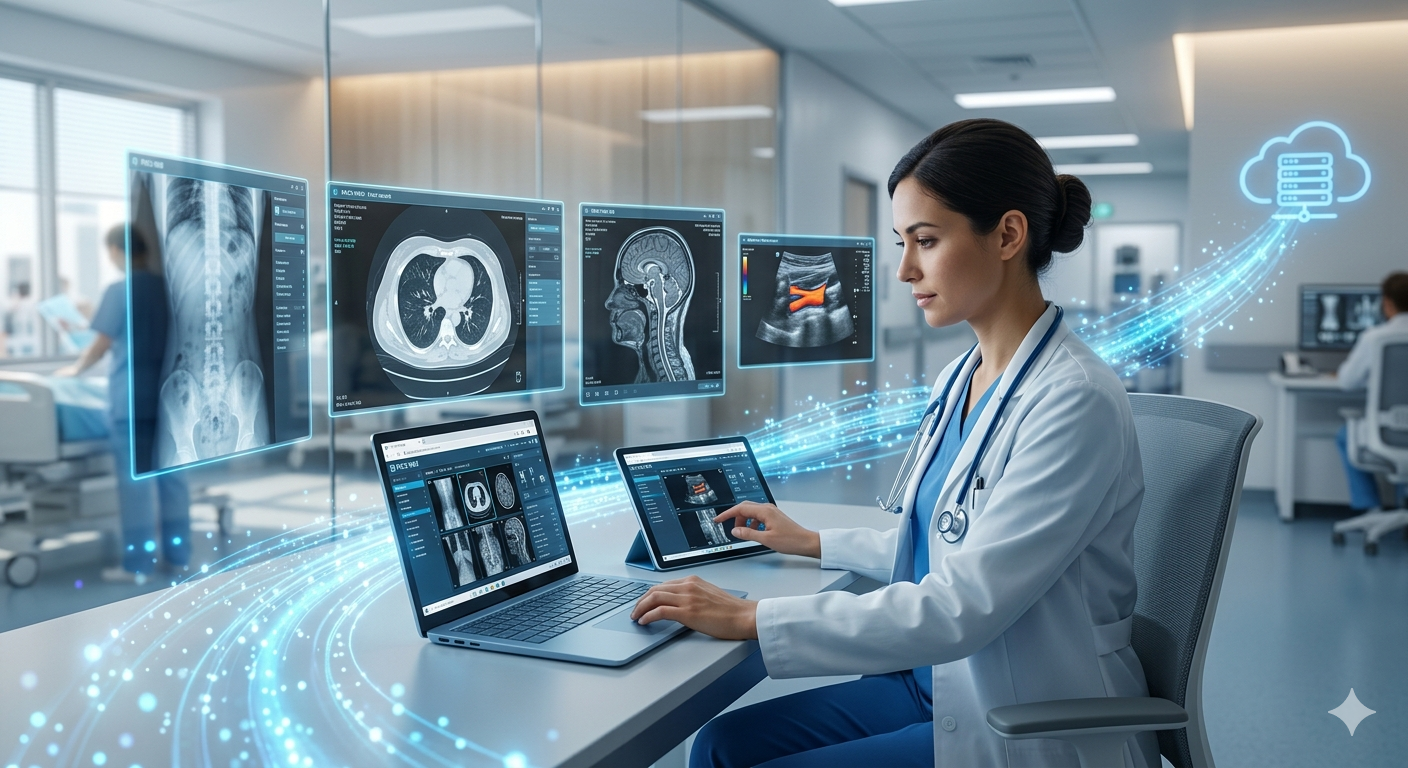
Healthcare is rapidly moving toward digital-first experiences, and patients now expect the same convenience from healthcare providers that they receive from online banking or e-commerce platforms. In medical imaging, this shift has made patient portals an essential part of modern diagnostic workflows.
Patient portals allow patients to securely access imaging reports, schedules, and communication tools online. They also improve collaboration between healthcare providers, radiologists, and patients while reducing administrative workload.
According to Aspyra, modern imaging systems are increasingly focused on faster workflows, secure data access, and improved patient experiences. Their article on Why Patient Portals Matter in Medical Imaging highlights how healthcare organizations are adopting portal technology to modernize imaging services.
What Is a Patient Portal?
A patient portal is a secure online platform connected to a healthcare provider’s imaging or electronic health record system. These portals allow patients to:
- View imaging reports
- Access medical records
- Schedule appointments
- Communicate securely with providers
- Download or share diagnostic results
- Review prescriptions and visit summaries
Healthcare experts note that patient portals improve patient engagement by giving users direct access to their healthcare information.
Why Patient Portals Matter in Medical Imaging
Medical imaging departments generate a large volume of diagnostic information daily, including X-rays, CT scans, MRIs, ultrasounds, and mammography reports. Traditionally, patients often waited days to receive results or had to collect physical copies from hospitals.
Modern patient portals solve these challenges by enabling instant digital access to reports and imaging information.
1. Faster Access to Imaging Results
One of the biggest benefits of patient portals is immediate access to diagnostic reports. Patients no longer need to wait for phone calls or printed documents.
Research shows that patients value having direct online access to imaging reports because it helps them better understand their conditions and feel more involved in their care.
2. Improved Patient Engagement
Patients who actively participate in their healthcare decisions often experience better outcomes. Portals encourage engagement by giving patients transparency into their imaging history and treatment progress.
Industry studies also show that patient portals strengthen communication between patients and healthcare providers.
3. Better Workflow Efficiency
Patient portals reduce administrative burdens for hospitals and imaging centers by automating common tasks such as:
- Appointment scheduling
- Report delivery
- Billing notifications
- Secure messaging
- Record requests
This helps staff spend less time handling manual paperwork and phone calls.
4. Enhanced Security and Compliance
Modern healthcare portals use encrypted systems, secure logins, and audit tracking to protect patient data. These security measures are especially important in radiology and diagnostic imaging, where sensitive medical information is constantly exchanged.
Healthcare portals must also comply with strict healthcare privacy regulations.
5. Easier Collaboration Between Providers
Medical imaging often requires collaboration between radiologists, specialists, and referring physicians. Digital portals simplify image sharing and second-opinion consultations.
Studies suggest that many patients appreciate the ability to share medical images electronically for additional expert reviews.
The Role of PACS and Web-Based Imaging Systems
Patient portals work even better when integrated with advanced PACS and web-based imaging platforms.
Solutions like the Web-Based PACS Viewer by Aspyra help healthcare professionals access diagnostic images through secure browsers without requiring complex installations.
These systems support:
- Remote image access
- Real-time collaboration
- Faster reporting
- Multi-device compatibility
- Improved imaging workflows
Modern PACS technology is helping imaging centers transition toward more connected and patient-focused healthcare systems.
Key Features Patients Expect Today
Today’s patients expect healthcare technology to be simple, fast, and accessible. Successful patient portals usually include:
- Mobile-friendly interfaces
- Real-time notifications
- Secure messaging
- Online appointment management
- Easy access to imaging reports
- Digital document downloads
- Multi-device compatibility
Healthcare organizations that provide these digital experiences often improve patient satisfaction and operational efficiency.
The Future of Patient Portals in Healthcare
As healthcare continues evolving, patient portals will become even more integrated with:
- Artificial intelligence
- Cloud PACS systems
- Telemedicine platforms
- Mobile healthcare apps
- Remote diagnostics
- Interoperable healthcare networks
Organizations investing in modern imaging technologies today are positioning themselves for faster, smarter, and more patient-centered healthcare delivery.
Companies like Aspyra Clinical Software Systems continue supporting imaging centers, hospitals, and healthcare providers with connected imaging solutions designed for modern clinical environments.
Conclusion
Patient portals are no longer optional in medical imaging. They are becoming a core component of efficient, transparent, and patient-centered healthcare.
By providing faster access to imaging results, improving communication, streamlining workflows, and enhancing collaboration, patient portals help healthcare organizations deliver better patient experiences while improving operational performance.
Healthcare providers adopting integrated PACS and patient portal technologies are creating a more connected future for diagnostic imaging.
 Romaian
 English
 Arabic
 French
 Spanish
 Portuguese
 Deutsch
 Turkish
 Dutch
Dutch
 Italiano
 Russian
 Portuguese (Brazil)
 Greek
Greek
