


 Ban & Monetization Policy
 MyLiveRoom Rewards Program Rules & Eligibility
Chinese Paper Cutting: The Ancient Folk Art That Tells Stories
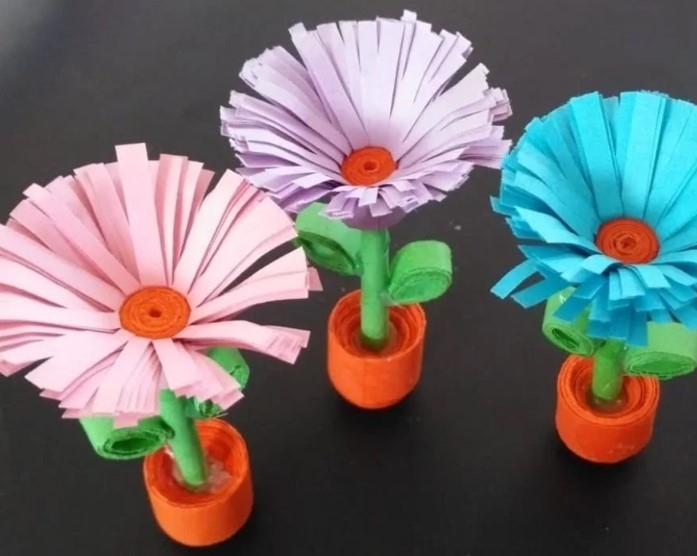
中國剪紙, or Chinese paper cutting, is not only an art form but a national treasure that embodies the spirit and values of traditional Chinese culture.
Design Elements and Themes
Common motifs include dragons (strength), phoenixes (harmony), and lotus flowers (purity). These motifs reflect Confucian, Daoist, and Buddhist ideals, and often carry layered meanings beyond their visual appeal.
Regional Styles
Distinct styles have emerged from provinces like Shaanxi, Hebei, and Shanxi. While Northern styles are bold and expressive, Southern styles are delicate and lace-like. This regional diversity contributes to the rich fabric of the national art form.
UNESCO Recognition
In 2009, Chinese paper cutting was inscribed on the UNESCO Representative List of the Intangible Cultural Heritage of Humanity, validating its historical importance and ensuring preservation through policy and education.
International Reach
Today, artists and educators bring 中國剪紙 to museums, galleries, and schools worldwide. Workshops and cultural exchanges help broaden its appreciation and promote cross-cultural understanding.
Future Outlook
With the integration of AI and laser-cutting tools, artists are now exploring new frontiers for 中國剪紙 without losing its handmade essence. This balance of innovation and tradition keeps the art vibrant and relevant.
–
中國剪紙
A Cultural Bond Between Generations
Chinese paper cutting (中國剪紙) came into my life not through art class, but through a conversation with my grandfather. He was a quiet man, a former teacher, who spent his days reading and sipping tea. One afternoon, he handed me a thin red paper and said, “Let’s make something.”
He showed me how to fold the paper, where to cut, and how to angle the scissors. It was a rooster design — to match my zodiac. It seemed simple, but watching him work, I saw generations of knowledge in every cut. He told me stories of how people in his village decorated their homes with these during harvest festivals, weddings, and Lunar New Year.
That moment sparked my love for 中國剪紙. It wasn’t just about making something beautiful; it was about learning from elders, about heritage, and continuity. Years later, when my grandfather passed, I found a drawer in his room filled with old cuttings he had saved. I framed them — not as art, but as memories.
I continue the tradition now, teaching my niece how to make her zodiac animal every year. We laugh, mess up, and try again. In every piece, I feel my grandfather’s quiet presence guiding us.
A Cultural Bond Between Generations
Chinese paper cutting (中國剪紙) came into my life not through art class, but through a conversation with my grandfather. He was a quiet man, a former teacher, who spent his days reading and sipping tea. One afternoon, he handed me a thin red paper and said, “Let’s make something.”
He showed me how to fold the paper, where to cut, and how to angle the scissors. It was a rooster design — to match my zodiac. It seemed simple, but watching him work, I saw generations of knowledge in every cut. He told me stories of how people in his village decorated their homes with these during harvest festivals, weddings, and Lunar New Year.
That moment sparked my love for 中國剪紙. It wasn’t just about making something beautiful; it was about learning from elders, about heritage, and continuity. Years later, when my grandfather passed, I found a drawer in his room filled with old cuttings he had saved. I framed them — not as art, but as memories.
I continue the tradition now, teaching my niece how to make her zodiac animal every year. We laugh, mess up, and try again. In every piece, I feel my grandfather’s quiet presence guiding us.
A Cultural Bond Between Generations
Chinese paper cutting (中國剪紙) came into my life not through art class, but through a conversation with my grandfather. He was a quiet man, a former teacher, who spent his days reading and sipping tea. One afternoon, he handed me a thin red paper and said, “Let’s make something.”
He showed me how to fold the paper, where to cut, and how to angle the scissors. It was a rooster design — to match my zodiac. It seemed simple, but watching him work, I saw generations of knowledge in every cut. He told me stories of how people in his village decorated their homes with these during harvest festivals, weddings, and Lunar New Year.
That moment sparked my love for 中國剪紙. It wasn’t just about making something beautiful; it was about learning from elders, about heritage, and continuity. Years later, when my grandfather passed, I found a drawer in his room filled with old cuttings he had saved. I framed them — not as art, but as memories.
I continue the tradition now, teaching my niece how to make her zodiac animal every year. We laugh, mess up, and try again. In every piece, I feel my grandfather’s quiet presence guiding us.
 English
 Arabic
 French
 Spanish
 Portuguese
 Deutsch
 Turkish
 Dutch
Dutch
 Italiano
 Russian
 Romaian
 Portuguese (Brazil)
 Greek
Greek
