


 Ban & Monetization Policy
 MyLiveRoom Rewards Program Rules & Eligibility
Sea Freight Rarely Fails. Customs Clearance Often Does.
CargoDecember 17, 2025
Indian importers and exporters spend weeks negotiating freight rates and transit schedules. But when shipments get stuck at ports like Nhava Sheva or Mundra, the reason is rarely the vessel or the carrier.
It’s almost always customs clearance.
A small mismatch in the invoice, a wrong HS code, or delayed filing can keep cargo inside the port yard for days. While the container waits, demurrage and detention start adding up quietly. Buyers follow up. Internal teams scramble.
Sea freight is predictable.
Customs clearance only becomes predictable when it’s planned early.
FCL and LCL Are Not Equal at Indian Ports
On paper, FCL and LCL look like simple booking options. In reality, they behave very differently once they reach customs.
FCL cargo usually clears faster because ownership is clear and documentation is straightforward.
LCL cargo, while cost-effective for smaller shipments, carries more risk. One documentation issue in a consolidated container can delay every shipper involved.
This is why experienced exporters don’t choose between FCL and LCL only on freight cost. They evaluate clearance risk first.
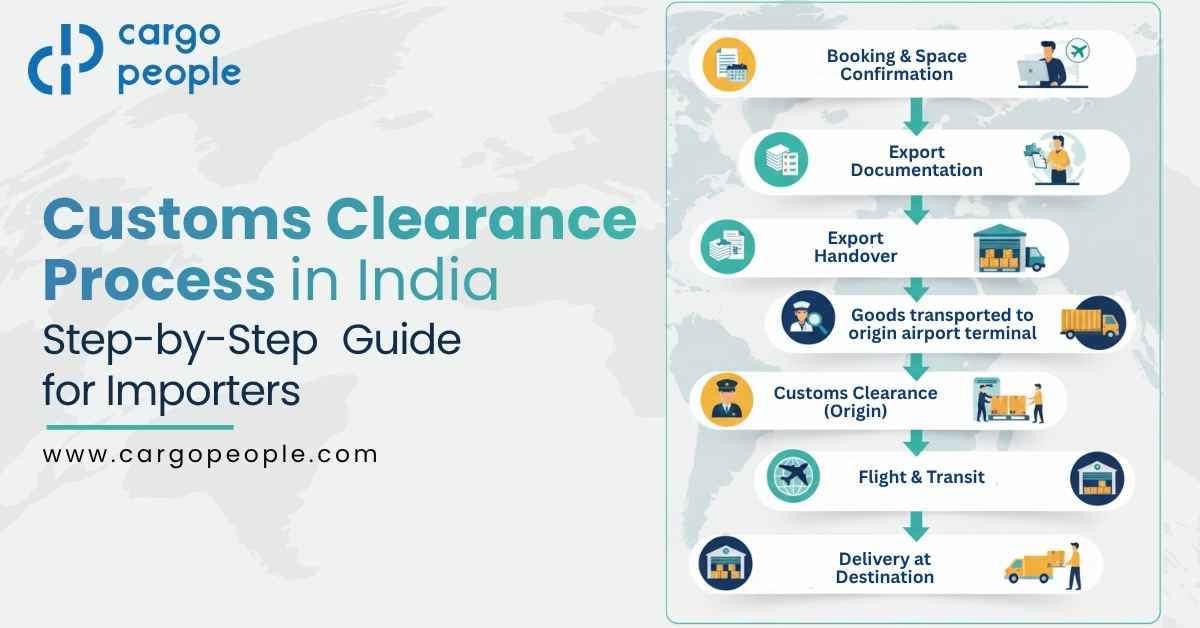
Article Link - https://www.cargopeople.com/blog/customs-clearance-in-india-step-by-step-import/
Customs Clearance Is a Business Decision, Not Paperwork
When customs planning is treated as an afterthought, costs increase in ways no freight quote shows upfront. Delays impact cash flow, production schedules, and buyer confidence.
Businesses that plan customs clearance in advance:
Reduce demurrage and detention
Avoid last-minute document corrections
Deliver more reliably to overseas buyers
📞 +91 78350 06245 | 📧 Cha@cargopeople.com
Speak with Cargo People Logistics to plan your sea freight customs clearance before delays happen
CargoDecember 17, 2025
Indian importers and exporters spend weeks negotiating freight rates and transit schedules. But when shipments get stuck at ports like Nhava Sheva or Mundra, the reason is rarely the vessel or the carrier.
It’s almost always customs clearance.
A small mismatch in the invoice, a wrong HS code, or delayed filing can keep cargo inside the port yard for days. While the container waits, demurrage and detention start adding up quietly. Buyers follow up. Internal teams scramble.
Sea freight is predictable.
Customs clearance only becomes predictable when it’s planned early.
FCL and LCL Are Not Equal at Indian Ports
On paper, FCL and LCL look like simple booking options. In reality, they behave very differently once they reach customs.
FCL cargo usually clears faster because ownership is clear and documentation is straightforward.
LCL cargo, while cost-effective for smaller shipments, carries more risk. One documentation issue in a consolidated container can delay every shipper involved.
This is why experienced exporters don’t choose between FCL and LCL only on freight cost. They evaluate clearance risk first.
Article Link - https://www.cargopeople.com/blog/customs-clearance-in-india-step-by-step-import/
Customs Clearance Is a Business Decision, Not Paperwork
When customs planning is treated as an afterthought, costs increase in ways no freight quote shows upfront. Delays impact cash flow, production schedules, and buyer confidence.
Businesses that plan customs clearance in advance:
Reduce demurrage and detention
Avoid last-minute document corrections
Deliver more reliably to overseas buyers
📞 +91 78350 06245 | 📧 Cha@cargopeople.com
Speak with Cargo People Logistics to plan your sea freight customs clearance before delays happen
Sea Freight Rarely Fails. Customs Clearance Often Does.
CargoDecember 17, 2025
Indian importers and exporters spend weeks negotiating freight rates and transit schedules. But when shipments get stuck at ports like Nhava Sheva or Mundra, the reason is rarely the vessel or the carrier.
It’s almost always customs clearance.
A small mismatch in the invoice, a wrong HS code, or delayed filing can keep cargo inside the port yard for days. While the container waits, demurrage and detention start adding up quietly. Buyers follow up. Internal teams scramble.
Sea freight is predictable.
Customs clearance only becomes predictable when it’s planned early.
FCL and LCL Are Not Equal at Indian Ports
On paper, FCL and LCL look like simple booking options. In reality, they behave very differently once they reach customs.
FCL cargo usually clears faster because ownership is clear and documentation is straightforward.
LCL cargo, while cost-effective for smaller shipments, carries more risk. One documentation issue in a consolidated container can delay every shipper involved.
This is why experienced exporters don’t choose between FCL and LCL only on freight cost. They evaluate clearance risk first.
Article Link - https://www.cargopeople.com/blog/customs-clearance-in-india-step-by-step-import/
Customs Clearance Is a Business Decision, Not Paperwork
When customs planning is treated as an afterthought, costs increase in ways no freight quote shows upfront. Delays impact cash flow, production schedules, and buyer confidence.
Businesses that plan customs clearance in advance:
Reduce demurrage and detention
Avoid last-minute document corrections
Deliver more reliably to overseas buyers
📞 +91 78350 06245 | 📧 Cha@cargopeople.com
Speak with Cargo People Logistics to plan your sea freight customs clearance before delays happen
0 Commentarii
0 Distribuiri
2K Views
0 previzualizare

 English
 Arabic
 French
 Spanish
 Portuguese
 Deutsch
 Turkish
 Dutch
Dutch
 Italiano
 Russian
 Portuguese (Brazil)
 Greek
Greek
