Understanding BIS Certification for Indian Businesses
If you are manufacturing or importing products in India, compliance is no longer optional - it is a business necessity. One of the most important certifications in this space is BIS certification. Many businesses initially see it as just another regulatory requirement, but in reality, it plays a crucial role in building trust, ensuring product quality, and enabling smooth market entry.
To understand the complete process in detail, you can also read this What is BIS Certification – A Complete Guide for Indian Businesses.
BIS (Bureau of Indian Standards) is the national standards body of India. It ensures that products meet safety, quality, and performance benchmarks before reaching consumers. Whether you are dealing with electronics, appliances, or industrial goods, BIS certification is often mandatory under various government regulations.
Why BIS Certification is Important for Your Business
Many companies underestimate the impact of BIS certification until they face delays in product launches or import clearances. The reality is that non-compliance can directly affect your revenue, brand image, and operational timelines.
Here’s why BIS certification matters:
It ensures your product meets Indian quality standards
It is mandatory for 400+ product categories under BIS schemes
It helps avoid legal penalties and product bans
It builds consumer trust and credibility in the market
It enables smooth import and distribution across India
From a business perspective, certified products tend to perform better in the market. Customers are more likely to trust products that carry the ISI mark or fall under BIS-approved categories. In fact, companies that comply early often experience faster approvals and fewer regulatory hurdles compared to those that delay the process.
Additionally, BIS certification aligns with broader compliance frameworks in India, including environmental and safety regulations, which are becoming stricter every year.
Types of BIS Certification You Should Know
BIS certification is not a single process. It includes multiple schemes depending on your product category, manufacturing location, and business model.
Here are the most common types:
ISI Mark Certification for domestic manufacturers
CRS (Compulsory Registration Scheme) for electronics and IT products
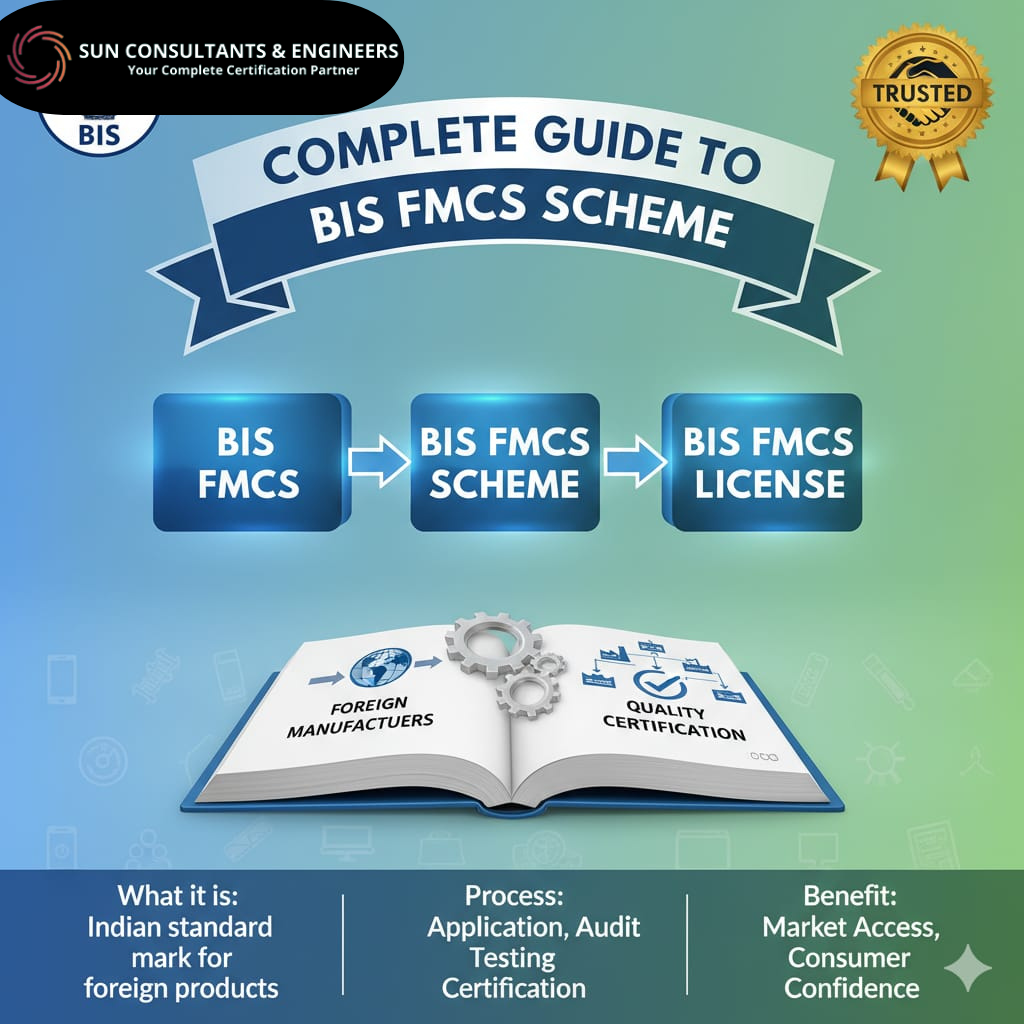
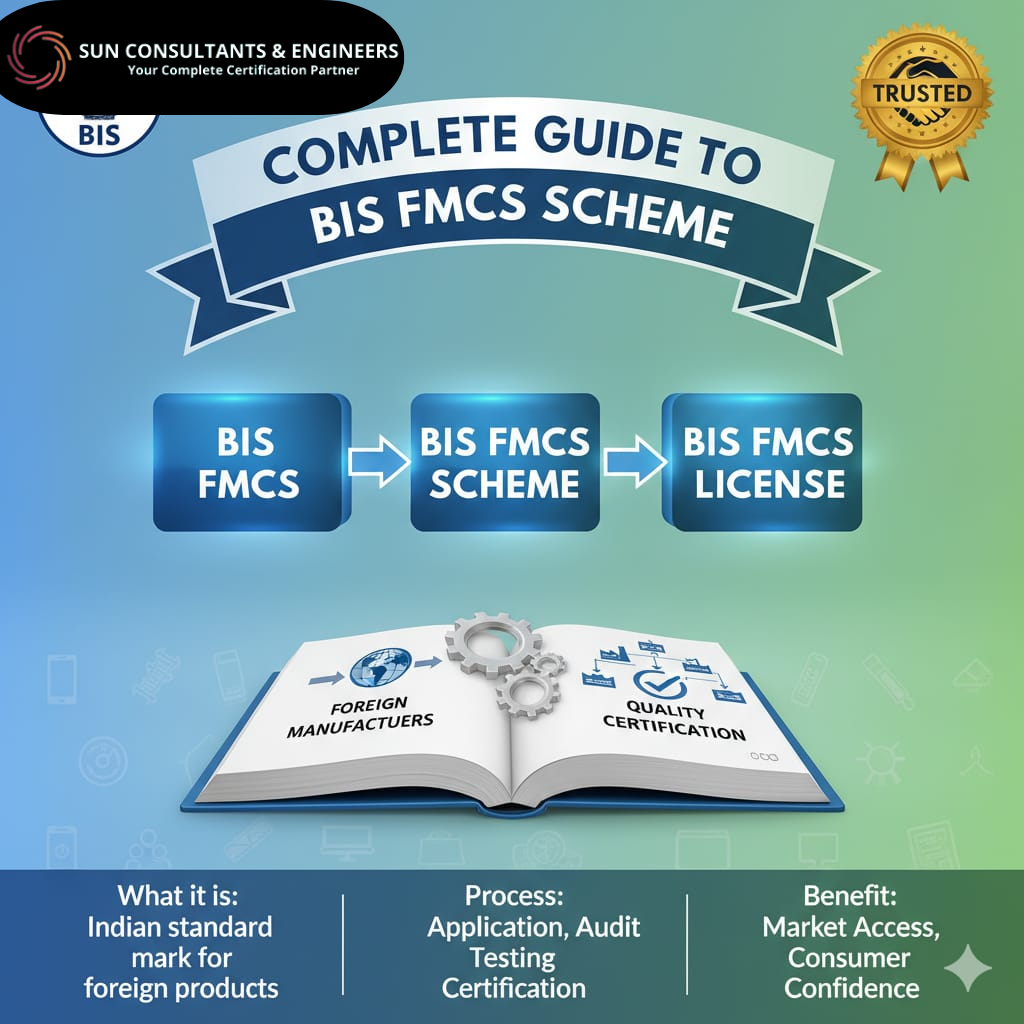
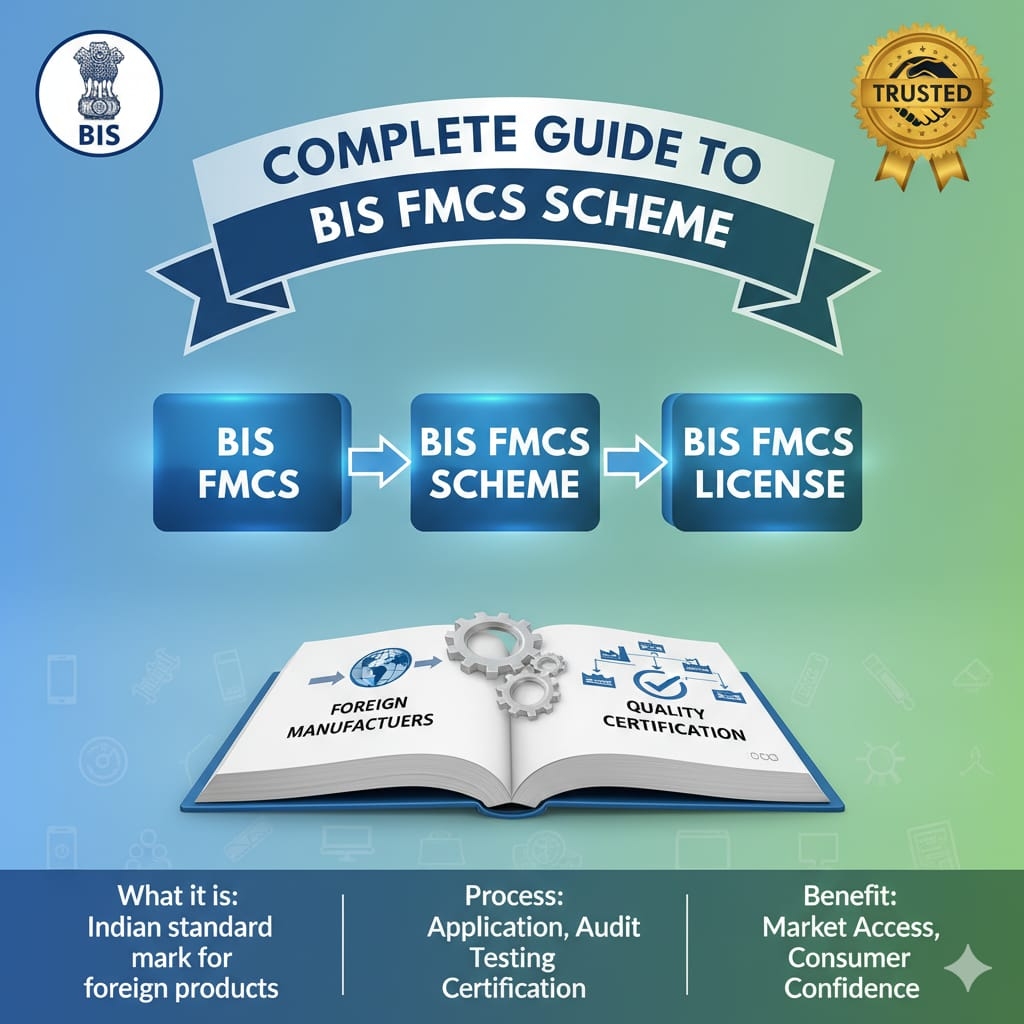
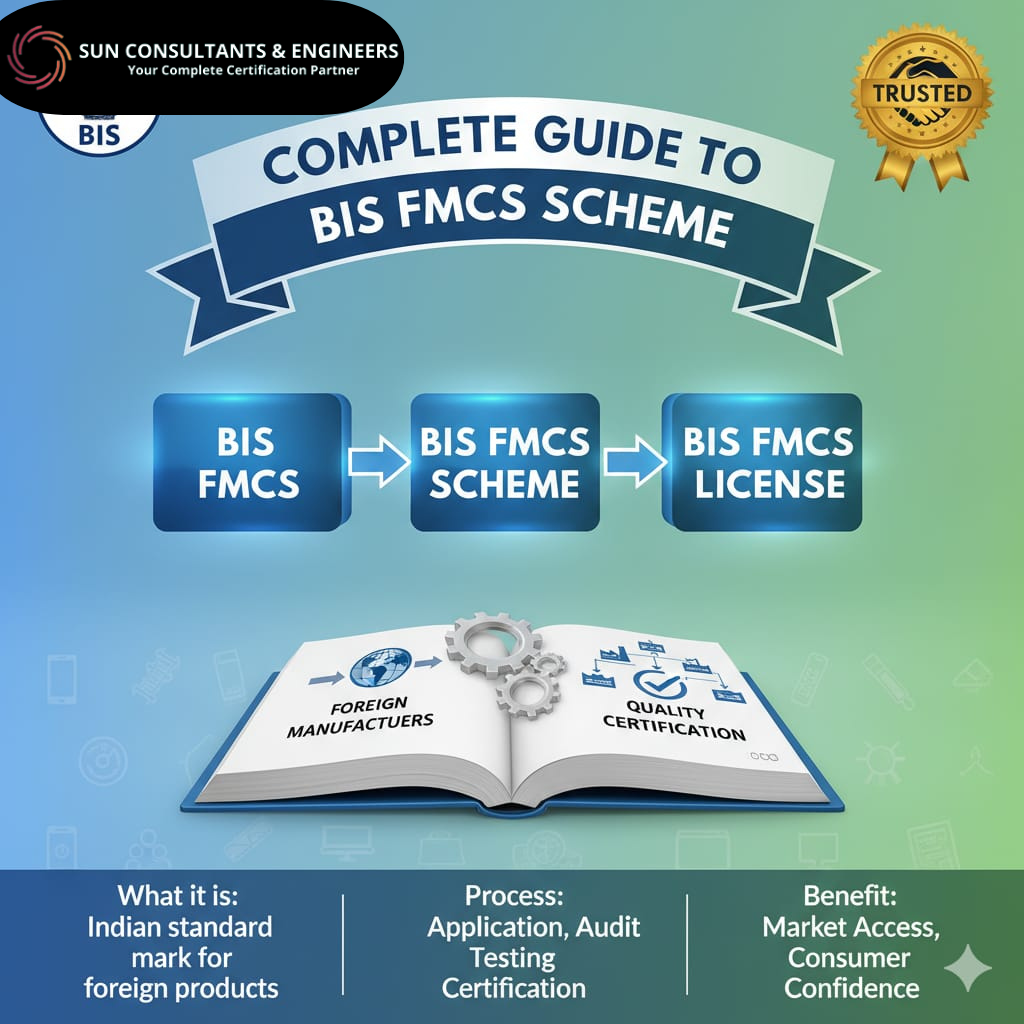
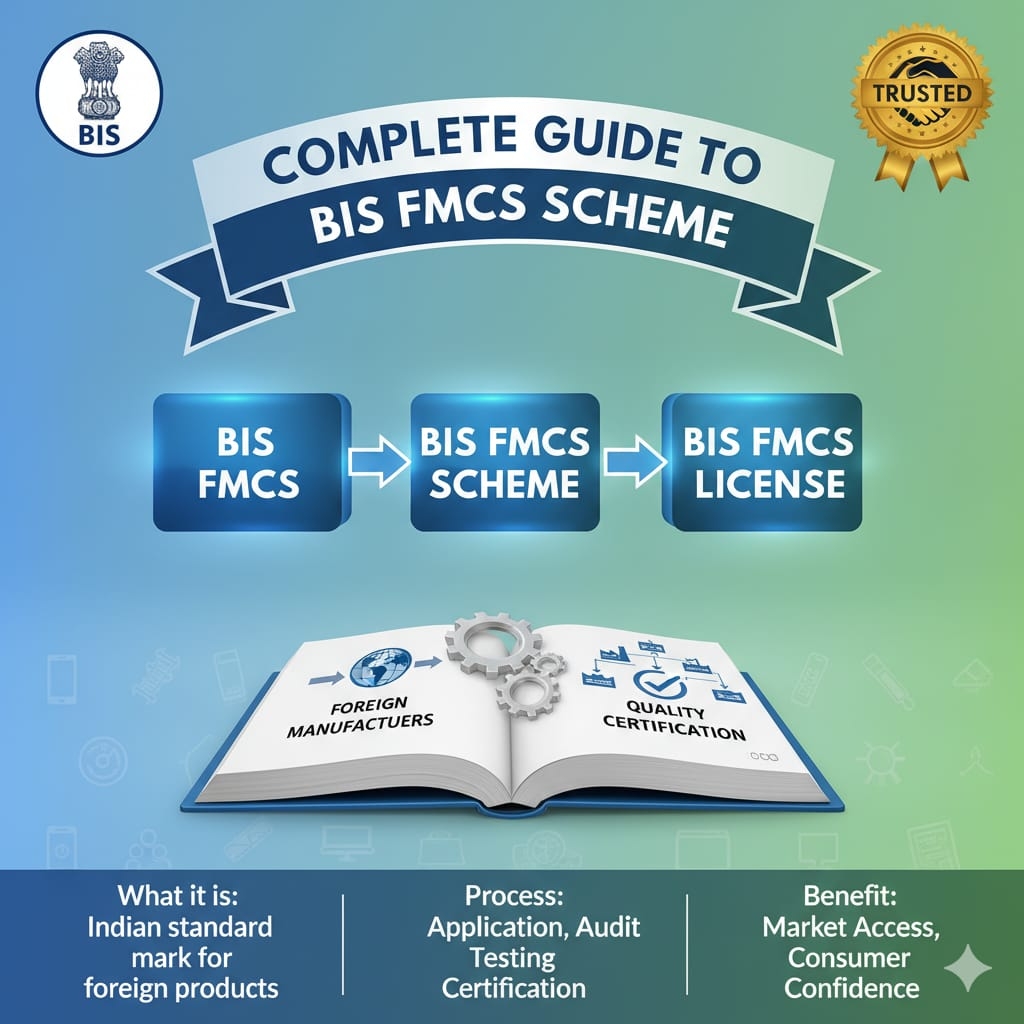
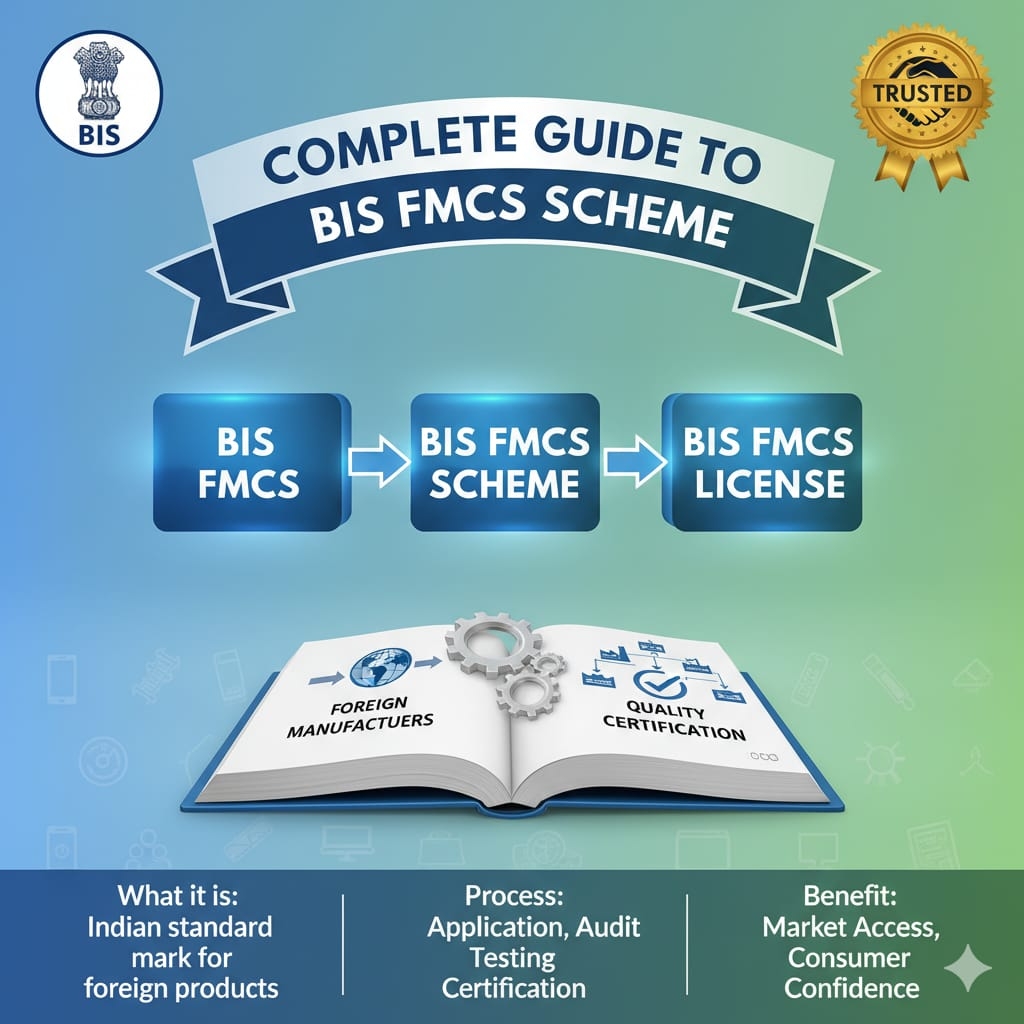
FMCS (Foreign Manufacturer Certification Scheme) for overseas manufacturers
Hallmark Certification for precious metals
Each of these certifications follows a structured process involving application filing, product testing, factory inspection, and final approval.
Understanding which certification applies to your product is the first step. Choosing the wrong category can lead to delays of 30–90 days or even rejection of your application.
How to Get BIS Certification Without Delays
The process of obtaining BIS certification can feel complex, especially if you are doing it for the first time. From documentation to testing and coordination with authorities, multiple steps need to be handled carefully.
A typical process includes:
Identifying the correct BIS scheme for your product
Preparing documentation such as GST, PAN, and technical details
Product testing in BIS-approved labs
Factory inspection (for certain schemes)
Application submission and follow-ups with BIS
Many businesses face delays due to incomplete documentation or incorrect filings. Even small errors can push timelines by several weeks.
This is where professional support becomes critical. If you are looking for end-to-end assistance, you can explore BIS Certification Services where experts handle documentation, testing coordination, and approvals on your behalf.
With the right approach, BIS certification timelines can be reduced significantly, helping you launch products faster and stay compliant without stress.
Final Thoughts
BIS certification is not just about compliance - it is about building a reliable and scalable business in India. Companies that invest in proper certification processes early tend to grow faster, face fewer regulatory issues, and gain stronger market credibility.
If you are planning to manufacture, import, or sell products in India, getting BIS certification should be one of your top priorities.
Need Help with BIS Certification?
At Green Permits, we simplify the entire BIS certification process - from documentation to final approval.
Whether you are a manufacturer, importer, or startup, our team ensures fast, hassle-free compliance.
👉 Get expert support for BIS, EPR, and environmental compliance today
https://www.greenpermits.in/09/what-is-bis-certification-a-complete-guide-for-indian-businesses/
Understanding BIS Certification for Indian Businesses
If you are manufacturing or importing products in India, compliance is no longer optional - it is a business necessity. One of the most important certifications in this space is BIS certification. Many businesses initially see it as just another regulatory requirement, but in reality, it plays a crucial role in building trust, ensuring product quality, and enabling smooth market entry.
To understand the complete process in detail, you can also read this What is BIS Certification – A Complete Guide for Indian Businesses.
BIS (Bureau of Indian Standards) is the national standards body of India. It ensures that products meet safety, quality, and performance benchmarks before reaching consumers. Whether you are dealing with electronics, appliances, or industrial goods, BIS certification is often mandatory under various government regulations.
Why BIS Certification is Important for Your Business
Many companies underestimate the impact of BIS certification until they face delays in product launches or import clearances. The reality is that non-compliance can directly affect your revenue, brand image, and operational timelines.
Here’s why BIS certification matters:
It ensures your product meets Indian quality standards
It is mandatory for 400+ product categories under BIS schemes
It helps avoid legal penalties and product bans
It builds consumer trust and credibility in the market
It enables smooth import and distribution across India
From a business perspective, certified products tend to perform better in the market. Customers are more likely to trust products that carry the ISI mark or fall under BIS-approved categories. In fact, companies that comply early often experience faster approvals and fewer regulatory hurdles compared to those that delay the process.
Additionally, BIS certification aligns with broader compliance frameworks in India, including environmental and safety regulations, which are becoming stricter every year.
Types of BIS Certification You Should Know
BIS certification is not a single process. It includes multiple schemes depending on your product category, manufacturing location, and business model.
Here are the most common types:
ISI Mark Certification for domestic manufacturers
CRS (Compulsory Registration Scheme) for electronics and IT products
FMCS (Foreign Manufacturer Certification Scheme) for overseas manufacturers
Hallmark Certification for precious metals
Each of these certifications follows a structured process involving application filing, product testing, factory inspection, and final approval.
Understanding which certification applies to your product is the first step. Choosing the wrong category can lead to delays of 30–90 days or even rejection of your application.
How to Get BIS Certification Without Delays
The process of obtaining BIS certification can feel complex, especially if you are doing it for the first time. From documentation to testing and coordination with authorities, multiple steps need to be handled carefully.
A typical process includes:
Identifying the correct BIS scheme for your product
Preparing documentation such as GST, PAN, and technical details
Product testing in BIS-approved labs
Factory inspection (for certain schemes)
Application submission and follow-ups with BIS
Many businesses face delays due to incomplete documentation or incorrect filings. Even small errors can push timelines by several weeks.
This is where professional support becomes critical. If you are looking for end-to-end assistance, you can explore BIS Certification Services where experts handle documentation, testing coordination, and approvals on your behalf.
With the right approach, BIS certification timelines can be reduced significantly, helping you launch products faster and stay compliant without stress.
Final Thoughts
BIS certification is not just about compliance - it is about building a reliable and scalable business in India. Companies that invest in proper certification processes early tend to grow faster, face fewer regulatory issues, and gain stronger market credibility.
If you are planning to manufacture, import, or sell products in India, getting BIS certification should be one of your top priorities.
Need Help with BIS Certification?
At Green Permits, we simplify the entire BIS certification process - from documentation to final approval.
Whether you are a manufacturer, importer, or startup, our team ensures fast, hassle-free compliance.
👉 Get expert support for BIS, EPR, and environmental compliance today
https://www.greenpermits.in/09/what-is-bis-certification-a-complete-guide-for-indian-businesses/




 Ban & Monetization Policy
 MyLiveRoom Rewards Program Rules & Eligibility
 and support.MyLiveRoom Team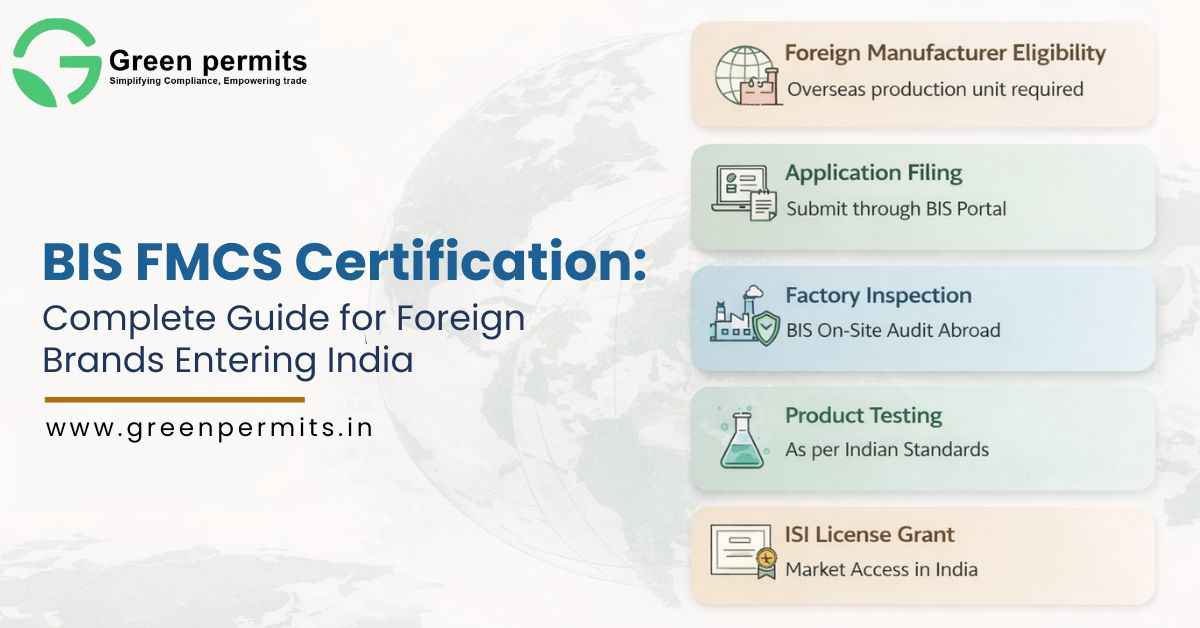

 English
 Arabic
 French
 Spanish
 Portuguese
 Deutsch
 Turkish
 Dutch
Dutch
 Russian
 Romaian
 Portuguese (Brazil)
 Greek
Greek
