• A Master’s in Sustainability opens the door to impactful careers across renewable energy, green manufacturing, ESG consulting, sustainable infrastructure, and environmental policy in India. With industries and governments focusing on sustainable development, skilled professionals are in high demand. Institutions like NAMTECH equip students with practical knowledge, industry exposure, and future-ready skills to build a meaningful and impactful career in the growing sustainability sector.

    #MastersinSustainability #NAMTECH

    https://theomnibuzz.com/get-prepared-for-an-impactful-career-in-india-after-a-master-s-in-sustainability
    A Master’s in Sustainability opens the door to impactful careers across renewable energy, green manufacturing, ESG consulting, sustainable infrastructure, and environmental policy in India. With industries and governments focusing on sustainable development, skilled professionals are in high demand. Institutions like NAMTECH equip students with practical knowledge, industry exposure, and future-ready skills to build a meaningful and impactful career in the growing sustainability sector. #MastersinSustainability #NAMTECH https://theomnibuzz.com/get-prepared-for-an-impactful-career-in-india-after-a-master-s-in-sustainability
    Get Prepared for an Impactful Career in India after a Master’s in Sustainability - TheOmniBuzz
    A master’s in sustainability is a career-defining moment for candidates that gives them a platf...
    0 Commentarii 0 Distribuiri 169 Views 0 previzualizare
  • Growing Need for E-Waste Recycling in India

    India is one of the fastest-growing markets for electronic devices, including smartphones, laptops, televisions, and industrial electronics. With the rapid increase in technology usage, the country is generating a significant amount of electronic waste (e-waste) every year. Improper disposal of this waste can lead to serious environmental and health hazards due to toxic materials such as lead, mercury, and cadmium present in electronic components.

    E-waste recycling plays a crucial role in recovering valuable materials such as gold, silver, copper, aluminum, and rare metals from discarded electronics. Proper recycling helps reduce environmental pollution, conserve natural resources, and support India’s transition toward a sustainable circular economy.

    Regulatory Framework for E-Waste Recycling Plants
    Setting up an e-waste recycling plant in India requires compliance with environmental regulations notified by the government. The industry is regulated under the E-Waste Management Rules, which mandate proper collection, dismantling, recycling, and reporting of electronic waste.

    Businesses involved in recycling must obtain registration from the Central Pollution Control Board (CPCB) and authorization from the State Pollution Control Board (SPCB). Companies must also comply with the Extended Producer Responsibility (EPR) framework, which requires producers to ensure responsible recycling of electronic waste generated from their products.

    Following these regulations ensures environmentally sound recycling practices and prevents hazardous materials from harming the environment.

    Investment and Machinery for an E-Waste Recycling Plant
    Establishing an e-waste recycling facility requires investment in infrastructure, recycling technology, and specialized machinery. The plant typically includes equipment for manual dismantling, shredding, separation, and recovery of metals and other reusable materials from electronic components.

    Investment costs vary depending on plant capacity, automation level, and technology used for material recovery. Businesses must also allocate funds for pollution control systems, storage areas for hazardous waste, and skilled technical manpower.

    With the growing demand for recycled metals and electronic components, e-waste recycling plants offer strong business potential for entrepreneurs looking to enter the sustainability and recycling sector.

    Complete Guide to E-Waste Recycling Plant Setup
    If you are planning to start an e-waste recycling facility, understanding the plant setup cost, required licenses, machinery, and expected return on investment (ROI) is essential before making an investment decision.

    Read the complete guide here:

    https://www.greenpermits.in/e-waste-recycling-plant-cost-in-india-machinery-roi/

    Start Your E-Waste Recycling Project with Expert Guidance
    Setting up an e-waste recycling plant requires environmental approvals, regulatory compliance, and proper plant planning. Green Permits Consulting provides end-to-end assistance for CPCB registrations, EPR compliance, and recycling plant setup across India.

    Website: https://www.greenpermits.in

    Phone: +91 78350 06182

    Email: wecare@greenpermits.in

    Book a Consultation with Green Permits today and launch your e-waste recycling business with complete regulatory compliance.
    Growing Need for E-Waste Recycling in India India is one of the fastest-growing markets for electronic devices, including smartphones, laptops, televisions, and industrial electronics. With the rapid increase in technology usage, the country is generating a significant amount of electronic waste (e-waste) every year. Improper disposal of this waste can lead to serious environmental and health hazards due to toxic materials such as lead, mercury, and cadmium present in electronic components. E-waste recycling plays a crucial role in recovering valuable materials such as gold, silver, copper, aluminum, and rare metals from discarded electronics. Proper recycling helps reduce environmental pollution, conserve natural resources, and support India’s transition toward a sustainable circular economy. Regulatory Framework for E-Waste Recycling Plants Setting up an e-waste recycling plant in India requires compliance with environmental regulations notified by the government. The industry is regulated under the E-Waste Management Rules, which mandate proper collection, dismantling, recycling, and reporting of electronic waste. Businesses involved in recycling must obtain registration from the Central Pollution Control Board (CPCB) and authorization from the State Pollution Control Board (SPCB). Companies must also comply with the Extended Producer Responsibility (EPR) framework, which requires producers to ensure responsible recycling of electronic waste generated from their products. Following these regulations ensures environmentally sound recycling practices and prevents hazardous materials from harming the environment. Investment and Machinery for an E-Waste Recycling Plant Establishing an e-waste recycling facility requires investment in infrastructure, recycling technology, and specialized machinery. The plant typically includes equipment for manual dismantling, shredding, separation, and recovery of metals and other reusable materials from electronic components. Investment costs vary depending on plant capacity, automation level, and technology used for material recovery. Businesses must also allocate funds for pollution control systems, storage areas for hazardous waste, and skilled technical manpower. With the growing demand for recycled metals and electronic components, e-waste recycling plants offer strong business potential for entrepreneurs looking to enter the sustainability and recycling sector. Complete Guide to E-Waste Recycling Plant Setup If you are planning to start an e-waste recycling facility, understanding the plant setup cost, required licenses, machinery, and expected return on investment (ROI) is essential before making an investment decision. Read the complete guide here: 👉 https://www.greenpermits.in/e-waste-recycling-plant-cost-in-india-machinery-roi/ 📞 Start Your E-Waste Recycling Project with Expert Guidance Setting up an e-waste recycling plant requires environmental approvals, regulatory compliance, and proper plant planning. Green Permits Consulting provides end-to-end assistance for CPCB registrations, EPR compliance, and recycling plant setup across India. 🌐 Website: https://www.greenpermits.in 📞 Phone: +91 78350 06182 📧 Email: wecare@greenpermits.in Book a Consultation with Green Permits today and launch your e-waste recycling business with complete regulatory compliance.
    WWW.GREENPERMITS.IN
    E-Waste Recycling Plant Cost in India: Machinery List, SPCB NOCs, EPR & ROI - Green Permits
    Detailed guide on e-waste recycling plant cost in India, machinery list, SPCB approvals, EPR compliance, and ROI insights. Book a consultation today.
    0 Commentarii 0 Distribuiri 312 Views 0 previzualizare
  • Growing Demand for Battery Recycling in India

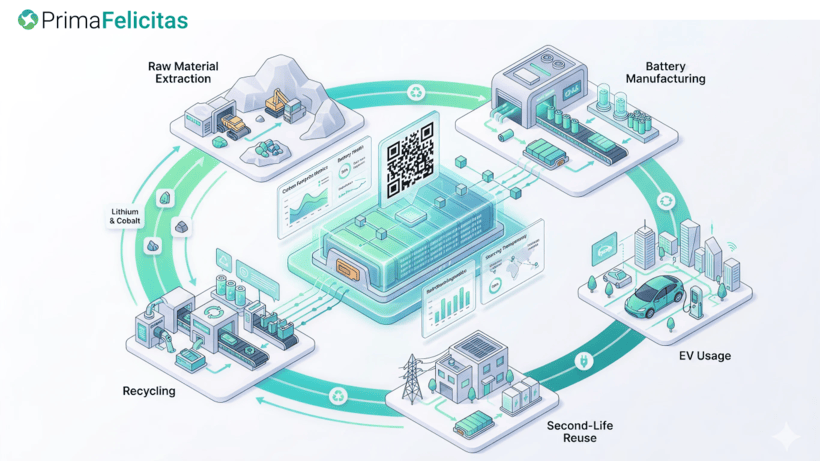
    India is witnessing rapid growth in electric vehicles, renewable energy storage systems, and consumer electronics. This expansion has significantly increased the amount of battery waste generated across the country. Managing this waste responsibly has become critical because batteries contain hazardous substances along with valuable metals.

    Battery recycling enables the recovery of important materials such as lithium, cobalt, nickel, copper, and lead, which can be reused in new manufacturing processes. This reduces the dependency on mining raw materials and supports India's transition toward a circular economy. As sustainability becomes a national priority, battery recycling is emerging as a high-potential industry for entrepreneurs and investors.

    Regulations and Compliance for Battery Recycling Plants
    Setting up a battery recycling plant in India requires compliance with environmental regulations issued by the government. Businesses must follow the Battery Waste Management Rules and register under the Extended Producer Responsibility (EPR) framework on the CPCB portal.

    Entities involved in battery manufacturing, importing, recycling, or refurbishing must ensure proper collection, recycling, and reporting of battery waste. Approvals from the State Pollution Control Board (SPCB) along with environmental authorizations and pollution control systems are required before starting operations.

    Following these regulatory requirements ensures environmentally sound recycling practices and protects both public health and the environment.

    Investment and Machinery Required for a Recycling Plant
    A battery recycling plant requires investment in land, infrastructure, and specialized recycling technology. Facilities typically include equipment for battery dismantling, material separation, chemical processing, and recovery of reusable metals.

    The total investment depends on the plant capacity, battery chemistry handled (such as lithium-ion or lead-acid), and the level of automation used in the recycling process. Businesses must also allocate budget for environmental compliance systems, safety infrastructure, and trained technical manpower.

    With proper planning and technology, recovered metals and recycled materials can create strong revenue streams, making battery recycling a sustainable and profitable business opportunity.

    Learn the Complete Cost, Licenses & ROI
    If you are planning to start a recycling facility, understanding the plant setup cost, required licenses, machinery, and expected return on investment is essential before launching the project.

    Read the complete guide here:

    https://www.greenpermits.in/battery-recycling-plant-cost-in-india-licenses-machinery-roi/

    Start Your Battery Recycling Project with Expert Guidance
    If you need assistance with battery recycling plant setup, CPCB registration, EPR compliance, or environmental approvals, the experts at Green Permits Consulting can guide you through the entire process.

    Website: https://www.greenpermits.in

    Phone: +91 78350 06182

    Email: wecare@greenpermits.in

    Book a Consultation with Green Permits today and start your recycling business with complete regulatory compliance.
    Growing Demand for Battery Recycling in India India is witnessing rapid growth in electric vehicles, renewable energy storage systems, and consumer electronics. This expansion has significantly increased the amount of battery waste generated across the country. Managing this waste responsibly has become critical because batteries contain hazardous substances along with valuable metals. Battery recycling enables the recovery of important materials such as lithium, cobalt, nickel, copper, and lead, which can be reused in new manufacturing processes. This reduces the dependency on mining raw materials and supports India's transition toward a circular economy. As sustainability becomes a national priority, battery recycling is emerging as a high-potential industry for entrepreneurs and investors. Regulations and Compliance for Battery Recycling Plants Setting up a battery recycling plant in India requires compliance with environmental regulations issued by the government. Businesses must follow the Battery Waste Management Rules and register under the Extended Producer Responsibility (EPR) framework on the CPCB portal. Entities involved in battery manufacturing, importing, recycling, or refurbishing must ensure proper collection, recycling, and reporting of battery waste. Approvals from the State Pollution Control Board (SPCB) along with environmental authorizations and pollution control systems are required before starting operations. Following these regulatory requirements ensures environmentally sound recycling practices and protects both public health and the environment. Investment and Machinery Required for a Recycling Plant A battery recycling plant requires investment in land, infrastructure, and specialized recycling technology. Facilities typically include equipment for battery dismantling, material separation, chemical processing, and recovery of reusable metals. The total investment depends on the plant capacity, battery chemistry handled (such as lithium-ion or lead-acid), and the level of automation used in the recycling process. Businesses must also allocate budget for environmental compliance systems, safety infrastructure, and trained technical manpower. With proper planning and technology, recovered metals and recycled materials can create strong revenue streams, making battery recycling a sustainable and profitable business opportunity. Learn the Complete Cost, Licenses & ROI If you are planning to start a recycling facility, understanding the plant setup cost, required licenses, machinery, and expected return on investment is essential before launching the project. Read the complete guide here: 👉 https://www.greenpermits.in/battery-recycling-plant-cost-in-india-licenses-machinery-roi/ 📞 Start Your Battery Recycling Project with Expert Guidance If you need assistance with battery recycling plant setup, CPCB registration, EPR compliance, or environmental approvals, the experts at Green Permits Consulting can guide you through the entire process. 🌐 Website: https://www.greenpermits.in 📞 Phone: +91 78350 06182 📧 Email: wecare@greenpermits.in Book a Consultation with Green Permits today and start your recycling business with complete regulatory compliance.
    WWW.GREENPERMITS.IN
    Battery Recycling Plant Setup Cost in India (2025): Licenses, Machinery & ROI - Green Permits
    Understand licenses, machinery, government incentives, and real setup costs for a battery recycling plant in India. Plan your 2025 project with Green Permits.
    0 Commentarii 0 Distribuiri 262 Views 0 previzualizare
  • BPTP Capital City, Sector 94, Noida, Receives Recognised Sustainability Certifications

    Noida, Uttar Pradesh, India (NewsVoir) BPTP Capital City, located in Sector 94, Noida, is a Grade-A commercial development offering workspace infrastructure aligned with recognized sustainability certification standards.

    Read more- https://thewire.in/ptiprnews/bptp-capital-city-sector-94-noida-receives-recognised-sustainability-certifications
    BPTP Capital City, Sector 94, Noida, Receives Recognised Sustainability Certifications Noida, Uttar Pradesh, India (NewsVoir) BPTP Capital City, located in Sector 94, Noida, is a Grade-A commercial development offering workspace infrastructure aligned with recognized sustainability certification standards. Read more- https://thewire.in/ptiprnews/bptp-capital-city-sector-94-noida-receives-recognised-sustainability-certifications
    0 Commentarii 0 Distribuiri 71 Views 0 previzualizare
  • Solar Energy Investment for Industrial Businesses in India

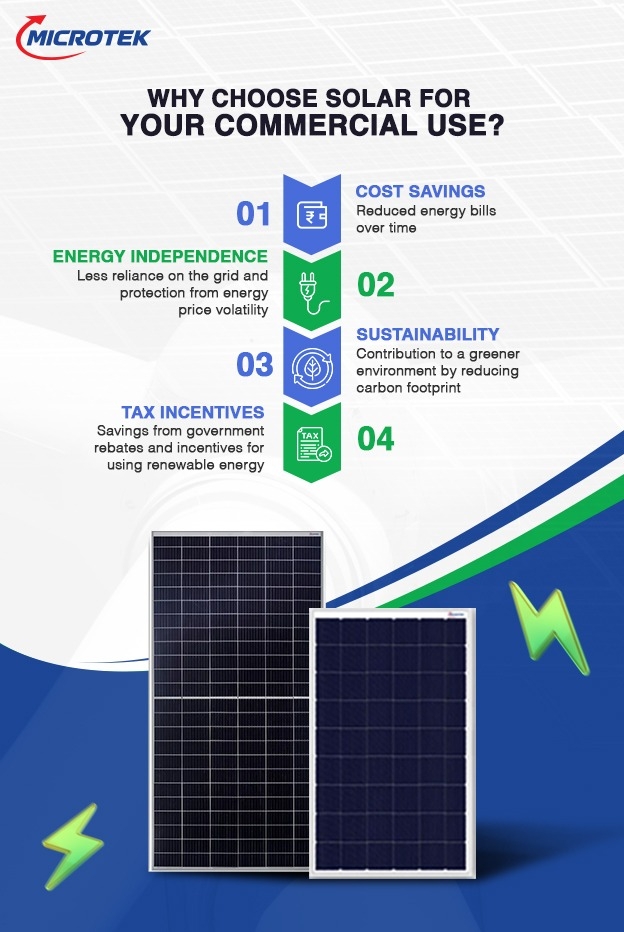
    Solar energy investment is becoming a strategic move for industrial businesses in India as companies look for ways to reduce electricity costs, achieve sustainability goals, and secure long-term energy independence. With falling solar technology prices, supportive government policies, and rising power tariffs, many factories and manufacturing units are increasingly adopting commercial and industrial (C&I) solar solutions.

    Visit https://site-n2a6cw50v.godaddysites.com/f/solar-energy-investment-for-industrial-businesses-in-india
    Solar Energy Investment for Industrial Businesses in India Solar energy investment is becoming a strategic move for industrial businesses in India as companies look for ways to reduce electricity costs, achieve sustainability goals, and secure long-term energy independence. With falling solar technology prices, supportive government policies, and rising power tariffs, many factories and manufacturing units are increasingly adopting commercial and industrial (C&I) solar solutions. Visit https://site-n2a6cw50v.godaddysites.com/f/solar-energy-investment-for-industrial-businesses-in-india
    SITE-N2A6CW50V.GODADDYSITES.COM
    Solar Energy Investment for Industrial Businesses in India
    Industrial growth depends heavily on reliable and cost-effective electricity. Rising energy prices and operational pressure push manufacturers and large facilities to rethink how they source power. An industrial solar in...
    0 Commentarii 0 Distribuiri 144 Views 0 previzualizare
  • Optimize Operations with Industrial Coolant Recycling Systems

    Enhance efficiency and reduce waste with advanced industrial coolant recycling systems from East Coast Filter. Designed to remove contaminants and extend coolant life, our systems help lower maintenance costs, improve sustainability, and keep your industrial processes running smoothly. Rely on East Coast Filter for durable, high-performance filtration solutions.
    Read More: https://blague-courte.com/how-automated-industrial-coolant-recycling-systems-increase-workplace-productivity
    Optimize Operations with Industrial Coolant Recycling Systems Enhance efficiency and reduce waste with advanced industrial coolant recycling systems from East Coast Filter. Designed to remove contaminants and extend coolant life, our systems help lower maintenance costs, improve sustainability, and keep your industrial processes running smoothly. Rely on East Coast Filter for durable, high-performance filtration solutions. Read More: https://blague-courte.com/how-automated-industrial-coolant-recycling-systems-increase-workplace-productivity
    0 Commentarii 0 Distribuiri 180 Views 0 previzualizare
  • Key Large-Scale Event Production Trends Shaping NYC in 2026


    Explore the key large-scale event production trends shaping NYC in 2026. From immersive technology and sustainability to hybrid experiences, data-driven personalization, and advanced logistics, discover the innovations transforming how events are designed, executed, and experienced in one of the world’s most vibrant event markets.


    https://medium.com/@emrgmediany_2253/large-scale-event-production-trends-in-nyc-2026-944693c48089
    Key Large-Scale Event Production Trends Shaping NYC in 2026 Explore the key large-scale event production trends shaping NYC in 2026. From immersive technology and sustainability to hybrid experiences, data-driven personalization, and advanced logistics, discover the innovations transforming how events are designed, executed, and experienced in one of the world’s most vibrant event markets. https://medium.com/@emrgmediany_2253/large-scale-event-production-trends-in-nyc-2026-944693c48089
    0 Commentarii 0 Distribuiri 237 Views 0 previzualizare
  • Plastic Additives Market Transformation Driven by Bio-Based Solutions and Enhanced Performance

    The Plastic Additives Market has become an essential component of the global plastics industry, enhancing the performance and longevity of plastic products. As industries worldwide increasingly rely on plastics for their versatility and durability, the demand for plastic additives continues to rise. This press release explores the latest trends, drivers, and opportunities within the plastic additives market, along with a comprehensive overview of the market's future outlook.

    Market Analysis
    Global and Regional Analysis: The plastic additives market is witnessing substantial growth across various regions, driven by increasing industrial activities and the rising demand for high-performance plastics.
    Market Size: By 2031, the plastic additives market is projected to expand significantly, reflecting the growing reliance on plastics in multiple sectors.
    Market Share: Major regions contributing to market growth include North America, Europe, Asia-Pacific, Latin America, and the Middle East & Africa.
    Trends: The market is experiencing trends towards eco-friendly additives and sustainable practices, aligning with global environmental initiatives.
    Market Drivers and Opportunities

    The growth of the plastic additives market can be attributed to several key drivers:
    Increasing Demand for Plastics: The rising consumption of plastics in various industries is a primary driver of the plastic additives market.
    Technological Advancements: Innovations in additive formulations and processing technologies enhance the performance of plastic products.
    Regulatory Support: Governments are increasingly supporting the development of sustainable plastic solutions, creating opportunities for eco-friendly additives.

    Request Sample Pages of this Research Study @ https://www.theinsightpartners.com/sample/TIPRE00003591/

    Major Companies in the Plastic Additives Market
    BASF SE
    Clariant AG
    Dow Chemical Company
    Evonik Industries AG
    Lanxess AG
    SABIC
    Solvay SA
    ExxonMobil Chemical Company
    A. Schulman, Inc.
    Huntsman Corporation

    Updated Market News and Recent Developments
    Recent developments in the plastic additives market highlight a shift towards sustainability and innovation. Companies are investing in research and development to create biodegradable additives and improve recycling processes. This focus not only meets consumer demand for environmentally friendly products but also aligns with regulatory pressures for sustainable practices.

    Key Drivers Accelerating Market Growth
    Sustainability Initiatives: The push for sustainable plastics is driving innovation in biodegradable and recyclable additives.
    Rising Urbanization: Increased urbanization leads to higher demand for construction materials, further boosting the need for plastic additives.
    Automotive Industry Growth: The automotive sector's expansion is increasing the use of lightweight and durable plastic components, necessitating advanced additives.
    Emerging Trends and Market Opportunities

    Biodegradable Additives: The rise of biodegradable plastics opens new avenues for additive manufacturers to innovate.
    Smart Plastics: The development of smart plastics that respond to environmental changes is gaining traction, presenting opportunities for specialized additives.
    Regional Expansion: Emerging economies in Asia-Pacific and Latin America are becoming significant markets for plastic additives, driven by industrial growth.

    Recent Industry Developments
    Companies are collaborating with academic institutions to develop advanced additive technologies.
    The introduction of new product lines focusing on sustainability is becoming more common among leading manufacturers.
    Increased investment in production facilities in emerging markets is expected to enhance supply chain efficiency.

    Market Future Outlook
    The plastic additives market is poised for robust growth in the coming years. With the increasing adoption of plastics across various industries and the continuous innovation in additive technologies, the market is expected to expand significantly. By 2031, the plastic additives market will likely reflect a more sustainable and technologically advanced landscape, driven by the following forecasts:

    Related Report:

    1) Automotive Plastic Additives Market

    2) Fuel Additives Market

    About Us: -

    The Insight Partners is a one-stop industry research provider of actionable intelligence. We help our clients in getting solutions to their research requirements through our syndicated and consulting research services. We specialize in industries such as Semiconductor and Electronics, Aerospace and Defense, Automotive and Transportation, Biotechnology, Healthcare IT, Manufacturing and Construction, Medical Devices, Technology, Media and Telecommunications, Chemicals and Materials.

    Also Available in :Korean German Japanese French Chinese Italian Spanish

    Plastic Additives Market Transformation Driven by Bio-Based Solutions and Enhanced Performance The Plastic Additives Market has become an essential component of the global plastics industry, enhancing the performance and longevity of plastic products. As industries worldwide increasingly rely on plastics for their versatility and durability, the demand for plastic additives continues to rise. This press release explores the latest trends, drivers, and opportunities within the plastic additives market, along with a comprehensive overview of the market's future outlook. Market Analysis Global and Regional Analysis: The plastic additives market is witnessing substantial growth across various regions, driven by increasing industrial activities and the rising demand for high-performance plastics. Market Size: By 2031, the plastic additives market is projected to expand significantly, reflecting the growing reliance on plastics in multiple sectors. Market Share: Major regions contributing to market growth include North America, Europe, Asia-Pacific, Latin America, and the Middle East & Africa. Trends: The market is experiencing trends towards eco-friendly additives and sustainable practices, aligning with global environmental initiatives. Market Drivers and Opportunities The growth of the plastic additives market can be attributed to several key drivers: Increasing Demand for Plastics: The rising consumption of plastics in various industries is a primary driver of the plastic additives market. Technological Advancements: Innovations in additive formulations and processing technologies enhance the performance of plastic products. Regulatory Support: Governments are increasingly supporting the development of sustainable plastic solutions, creating opportunities for eco-friendly additives. Request Sample Pages of this Research Study @ https://www.theinsightpartners.com/sample/TIPRE00003591/ Major Companies in the Plastic Additives Market BASF SE Clariant AG Dow Chemical Company Evonik Industries AG Lanxess AG SABIC Solvay SA ExxonMobil Chemical Company A. Schulman, Inc. Huntsman Corporation Updated Market News and Recent Developments Recent developments in the plastic additives market highlight a shift towards sustainability and innovation. Companies are investing in research and development to create biodegradable additives and improve recycling processes. This focus not only meets consumer demand for environmentally friendly products but also aligns with regulatory pressures for sustainable practices. Key Drivers Accelerating Market Growth Sustainability Initiatives: The push for sustainable plastics is driving innovation in biodegradable and recyclable additives. Rising Urbanization: Increased urbanization leads to higher demand for construction materials, further boosting the need for plastic additives. Automotive Industry Growth: The automotive sector's expansion is increasing the use of lightweight and durable plastic components, necessitating advanced additives. Emerging Trends and Market Opportunities Biodegradable Additives: The rise of biodegradable plastics opens new avenues for additive manufacturers to innovate. Smart Plastics: The development of smart plastics that respond to environmental changes is gaining traction, presenting opportunities for specialized additives. Regional Expansion: Emerging economies in Asia-Pacific and Latin America are becoming significant markets for plastic additives, driven by industrial growth. Recent Industry Developments Companies are collaborating with academic institutions to develop advanced additive technologies. The introduction of new product lines focusing on sustainability is becoming more common among leading manufacturers. Increased investment in production facilities in emerging markets is expected to enhance supply chain efficiency. Market Future Outlook The plastic additives market is poised for robust growth in the coming years. With the increasing adoption of plastics across various industries and the continuous innovation in additive technologies, the market is expected to expand significantly. By 2031, the plastic additives market will likely reflect a more sustainable and technologically advanced landscape, driven by the following forecasts: Related Report: 1) Automotive Plastic Additives Market 2) Fuel Additives Market About Us: - The Insight Partners is a one-stop industry research provider of actionable intelligence. We help our clients in getting solutions to their research requirements through our syndicated and consulting research services. We specialize in industries such as Semiconductor and Electronics, Aerospace and Defense, Automotive and Transportation, Biotechnology, Healthcare IT, Manufacturing and Construction, Medical Devices, Technology, Media and Telecommunications, Chemicals and Materials. Also Available in :Korean German Japanese French Chinese Italian Spanish
    Love
    1
    0 Commentarii 0 Distribuiri 2K Views 0 previzualizare
  • How ESG Reporting Services Help Businesses Enhance Sustainability Transparency and Investor Confidence

    Regulatory bodies around the world are increasingly enforcing ESG disclosure requirements. ESG reporting services help companies stay ahead of these regulations by ensuring accurate, timely, and compliant reporting.

    https://graph.org/How-ESG-Reporting-Services-Help-Businesses-Enhance-Sustainability-Transparency-and-Investor-Confidence-02-20
    How ESG Reporting Services Help Businesses Enhance Sustainability Transparency and Investor Confidence Regulatory bodies around the world are increasingly enforcing ESG disclosure requirements. ESG reporting services help companies stay ahead of these regulations by ensuring accurate, timely, and compliant reporting. https://graph.org/How-ESG-Reporting-Services-Help-Businesses-Enhance-Sustainability-Transparency-and-Investor-Confidence-02-20
    How ESG Reporting Services Help Businesses Enhance Sustainability Transparency and Investor Confidence
    In a business environment increasingly shaped by sustainability and ethical practices, ESG Reporting Services have become essential tools for companies seeking to strengthen their environmental, social, and governance (ESG) credentials. These services enable organizations to systematically measure, report, and communicate their ESG performance to stakeholders, creating a clear, data-driven picture of their sustainability initiatives. By providing actionable insights and structured reporting, ESG reporting services…
    0 Commentarii 0 Distribuiri 308 Views 0 previzualizare
  • Fuel Additive Market Size, Trends, Growth, and Key Strategies Analysis

    The fuel additive industry is witnessing transformative growth driven by rising environmental regulations and increasing demand for fuel efficiency. As innovations accelerate, the fuel additive market is evolving to address sustainability challenges while unlocking significant business growth opportunities globally.

    Market Size and Overview

    Global Fuel Additive Market is estimated to be valued at USD 9.86 Bn in 2026 and is expected to reach USD 12.98 Bn by 2033, exhibiting a compound annual growth rate (CAGR) of 4.0% from 2026 to 2033.

    This robust Fuel Additive Market Forecast underscores the rising investments in advanced fuel formulations aimed at reducing emissions and improving engine performance across commercial and passenger vehicle segments. The market revenue growth is propelled by integrated solutions focusing on cleaner combustion and prolonged engine life.

    Fuel Additive Market -https://www.coherentmarketinsights.com/industry-reports/fuel-additive-market
    Fuel Additive Market Size, Trends, Growth, and Key Strategies Analysis The fuel additive industry is witnessing transformative growth driven by rising environmental regulations and increasing demand for fuel efficiency. As innovations accelerate, the fuel additive market is evolving to address sustainability challenges while unlocking significant business growth opportunities globally. Market Size and Overview Global Fuel Additive Market is estimated to be valued at USD 9.86 Bn in 2026 and is expected to reach USD 12.98 Bn by 2033, exhibiting a compound annual growth rate (CAGR) of 4.0% from 2026 to 2033. This robust Fuel Additive Market Forecast underscores the rising investments in advanced fuel formulations aimed at reducing emissions and improving engine performance across commercial and passenger vehicle segments. The market revenue growth is propelled by integrated solutions focusing on cleaner combustion and prolonged engine life. Fuel Additive Market -https://www.coherentmarketinsights.com/industry-reports/fuel-additive-market
    0 Commentarii 0 Distribuiri 824 Views 0 previzualizare
Sponsorizeaza Paginile
MyLiveRoom https://myliveroom.com