• Kaiyi E5 – Dynamic Performance Meets Contemporary Fashion & Intelligence
    Kaiyi E5 integrates dynamic performance, contemporary fashion, and intelligent equipment in one dynamic sedan. The 1.5T engine with simulated 9-speed CVT provides strong and smooth power for agile acceleration. The independent suspension and advanced electronic stability systems ensure precise handling and confident control. The Italian-designed exterior features sporty lines, 17-inch wheels, and red brake calipers for a strong visual impact. The interior highlights a dual-screen smart cockpit, wireless charging, integrated sport seats, and a suspended dashboard for a premium and futuristic ambiance. Backed by 6 airbags and full safety systems, the E5 is an ideal choice for young drivers and urban families.
    https://www.kaiyiglobal.com/models/E5
    Kaiyi E5 – Dynamic Performance Meets Contemporary Fashion & Intelligence Kaiyi E5 integrates dynamic performance, contemporary fashion, and intelligent equipment in one dynamic sedan. The 1.5T engine with simulated 9-speed CVT provides strong and smooth power for agile acceleration. The independent suspension and advanced electronic stability systems ensure precise handling and confident control. The Italian-designed exterior features sporty lines, 17-inch wheels, and red brake calipers for a strong visual impact. The interior highlights a dual-screen smart cockpit, wireless charging, integrated sport seats, and a suspended dashboard for a premium and futuristic ambiance. Backed by 6 airbags and full safety systems, the E5 is an ideal choice for young drivers and urban families. https://www.kaiyiglobal.com/models/E5
    KAIYI - SUVs, Sedans and Electric Vehicles Manufacturer in China
    KAIYI Auto, as Cowin Auto, is a Chinese manufacturer of SUVs, sedans, and electric vehicles for safe, comfortable, and enjoyable driving worldwide. Visit KAIYI Global official website to explore more.
    0 التعليقات 0 المشاركات 1كيلو بايت مشاهدة 0 معاينة
  • Importance of PESO License for Petroleum and LPG Storage

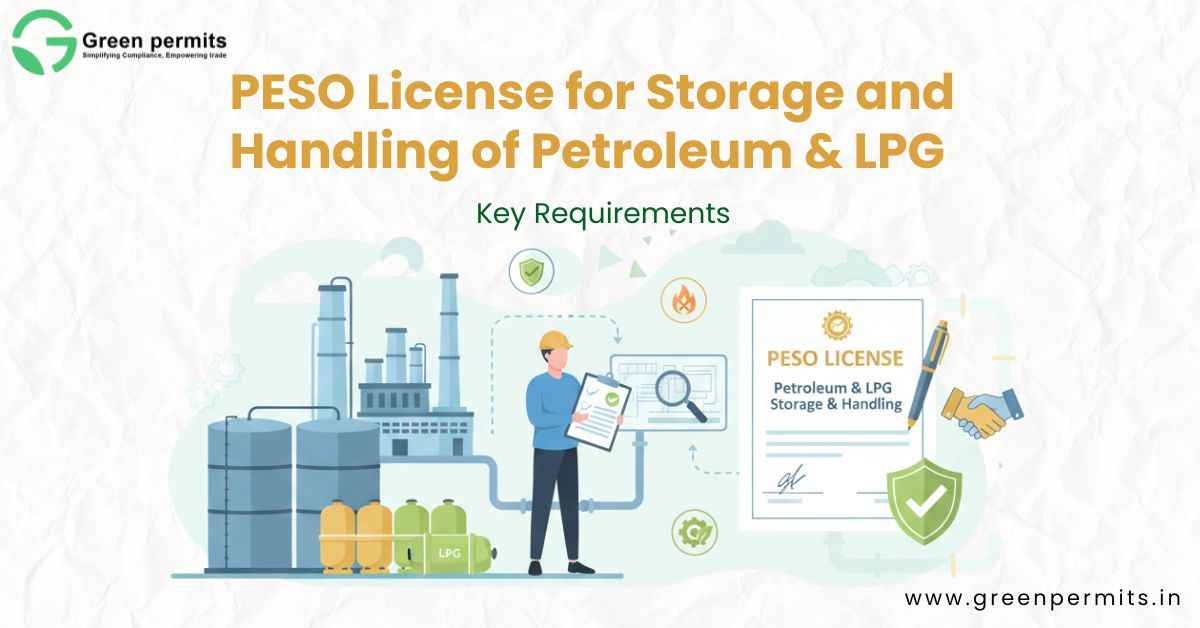
    Petroleum products and Liquefied Petroleum Gas (LPG) are highly flammable substances that require strict safety and regulatory control during storage and handling. In India, any facility involved in the storage, transportation, or distribution of petroleum products or LPG must obtain a PESO license to ensure compliance with safety regulations.

    The Petroleum and Explosives Safety Organization (PESO) regulates the safe handling of petroleum, gas, and other explosive substances under the Petroleum Act and related safety rules. Obtaining a PESO license is mandatory for businesses operating fuel storage tanks, LPG storage facilities, refueling stations, or industrial petroleum storage units.

    Regulatory Requirements and Approval Process
    The PESO licensing process involves a series of safety approvals and technical assessments to ensure that storage facilities meet government standards. Businesses must submit detailed documentation including site layout plans, storage capacity details, safety systems, and compliance with fire protection requirements.

    The approval process typically includes scrutiny of technical drawings, inspection of storage infrastructure, and verification of safety measures such as ventilation systems, emergency shutdown mechanisms, and fire control equipment. Once the application is approved, the license allows the company to legally store and handle petroleum products or LPG within defined safety limits.

    Failure to obtain a PESO license can lead to regulatory penalties and operational restrictions.

    Industries That Require PESO Licenses
    Many industries require PESO authorization to operate safely and legally. These include petroleum depots, LPG bottling plants, fuel storage facilities, industrial gas storage units, oil terminals, chemical plants, and fuel distribution centers.

    Companies involved in logistics, manufacturing, and energy infrastructure often need PESO approval before commissioning storage tanks or petroleum handling equipment. Ensuring proper licensing helps prevent safety risks while maintaining compliance with national industrial safety regulations.

    Obtaining the license with correct documentation and technical specifications is essential to avoid delays in project approvals.

    Complete Guide to PESO License for Petroleum & LPG Storage
    If you are planning to set up petroleum or LPG storage facilities, understanding the PESO licensing process, documentation requirements, safety approvals, and regulatory timeline is essential before starting the project.

    Read the complete guide here:

    👉 https://www.greenpermits.in/peso-license-for-petroleum-lpg-storage/

    📞 Get Expert Assistance for PESO License Approvals
    Obtaining a PESO license requires detailed documentation, technical drawings, and compliance with safety standards. Green Permits Consulting provides professional assistance for PESO licensing, industrial approvals, and regulatory compliance across India.

    🌐 Website: https://www.greenpermits.in

    📞 Phone: +91 78350 06182

    📧 Email: wecare@greenpermits.in

    Book a Consultation with Green Permits today and ensure smooth approval for your petroleum or LPG storage project.

    Importance of PESO License for Petroleum and LPG Storage Petroleum products and Liquefied Petroleum Gas (LPG) are highly flammable substances that require strict safety and regulatory control during storage and handling. In India, any facility involved in the storage, transportation, or distribution of petroleum products or LPG must obtain a PESO license to ensure compliance with safety regulations. The Petroleum and Explosives Safety Organization (PESO) regulates the safe handling of petroleum, gas, and other explosive substances under the Petroleum Act and related safety rules. Obtaining a PESO license is mandatory for businesses operating fuel storage tanks, LPG storage facilities, refueling stations, or industrial petroleum storage units. Regulatory Requirements and Approval Process The PESO licensing process involves a series of safety approvals and technical assessments to ensure that storage facilities meet government standards. Businesses must submit detailed documentation including site layout plans, storage capacity details, safety systems, and compliance with fire protection requirements. The approval process typically includes scrutiny of technical drawings, inspection of storage infrastructure, and verification of safety measures such as ventilation systems, emergency shutdown mechanisms, and fire control equipment. Once the application is approved, the license allows the company to legally store and handle petroleum products or LPG within defined safety limits. Failure to obtain a PESO license can lead to regulatory penalties and operational restrictions. Industries That Require PESO Licenses Many industries require PESO authorization to operate safely and legally. These include petroleum depots, LPG bottling plants, fuel storage facilities, industrial gas storage units, oil terminals, chemical plants, and fuel distribution centers. Companies involved in logistics, manufacturing, and energy infrastructure often need PESO approval before commissioning storage tanks or petroleum handling equipment. Ensuring proper licensing helps prevent safety risks while maintaining compliance with national industrial safety regulations. Obtaining the license with correct documentation and technical specifications is essential to avoid delays in project approvals. Complete Guide to PESO License for Petroleum & LPG Storage If you are planning to set up petroleum or LPG storage facilities, understanding the PESO licensing process, documentation requirements, safety approvals, and regulatory timeline is essential before starting the project. Read the complete guide here: 👉 https://www.greenpermits.in/peso-license-for-petroleum-lpg-storage/ 📞 Get Expert Assistance for PESO License Approvals Obtaining a PESO license requires detailed documentation, technical drawings, and compliance with safety standards. Green Permits Consulting provides professional assistance for PESO licensing, industrial approvals, and regulatory compliance across India. 🌐 Website: https://www.greenpermits.in 📞 Phone: +91 78350 06182 📧 Email: wecare@greenpermits.in Book a Consultation with Green Permits today and ensure smooth approval for your petroleum or LPG storage project.

    WWW.GREENPERMITS.IN
    PESO License for Storage and Handling of Petroleum & LPG: Key Requirements - Green Permits
    Get a PESO license for safe petroleum & LPG storage. Know classes, documents, fees, and renewal process for compliance under Petroleum & SMPV(U) Rules.
    0 التعليقات 0 المشاركات 3كيلو بايت مشاهدة 0 معاينة
  • Rising Demand for Lithium-Ion Battery Recycling in India

    The rapid expansion of electric vehicles, energy storage systems, and portable electronics is driving an unprecedented demand for lithium-ion batteries in India. As these batteries reach the end of their life cycle, managing lithium-ion battery waste has become a critical environmental and economic challenge.

    Lithium-ion batteries contain valuable materials such as lithium, cobalt, nickel, manganese, and copper. Recycling these materials not only prevents environmental contamination but also reduces the need for mining new resources. With India targeting aggressive EV adoption and renewable energy expansion, lithium-ion battery recycling is emerging as a strategic industry supporting the country’s circular economy goals.

    Regulatory Framework for Lithium Battery Recycling
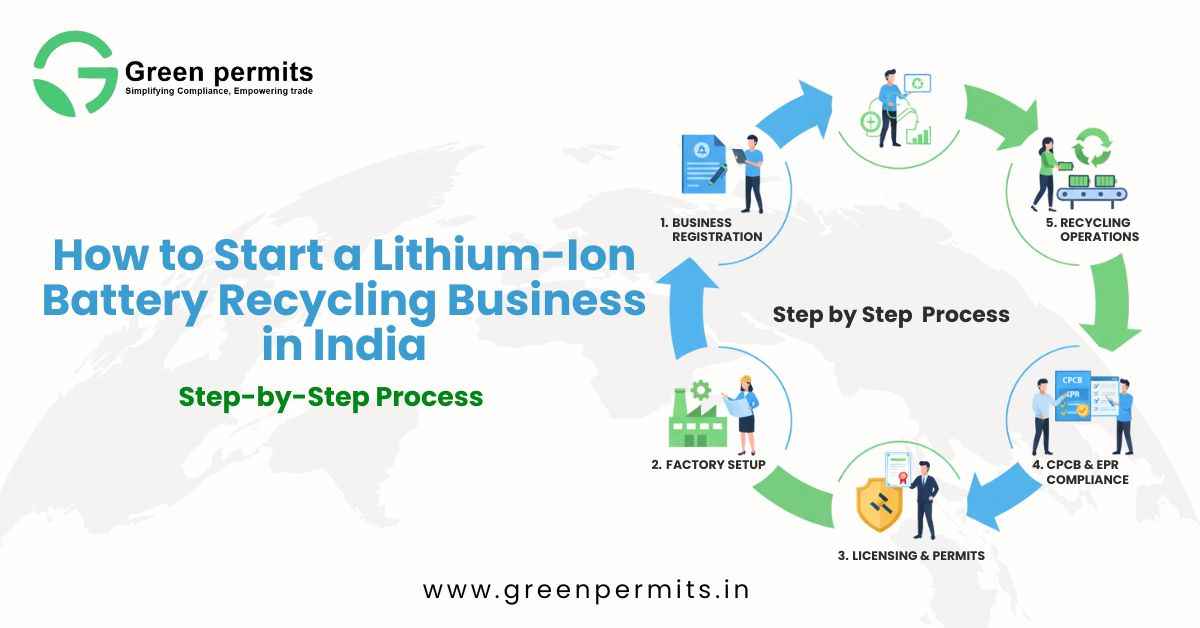
    Establishing a lithium-ion battery recycling business in India requires strict compliance with environmental regulations. The industry operates under the Battery Waste Management Rules introduced by the Ministry of Environment, Forest and Climate Change.

    Businesses involved in battery recycling must register on the CPCB EPR portal, obtain authorization from the State Pollution Control Board (SPCB), and ensure environmentally sound handling of battery waste. The Extended Producer Responsibility (EPR) framework requires producers and recyclers to track and recycle battery waste responsibly.

    Compliance with these regulations ensures safe recovery of materials while preventing hazardous chemicals from entering the environment.

    Investment, Technology and Infrastructure Requirements
    Starting a lithium-ion battery recycling plant involves investment in specialized infrastructure and advanced recycling technologies. Facilities typically require equipment for battery dismantling, mechanical separation, chemical extraction, and recovery of metals.

    The overall investment depends on factors such as plant capacity, technology used, automation level, and safety systems. Lithium-ion battery recycling also requires proper pollution control systems, hazardous waste management processes, and trained technical staff to operate the facility safely.

    As demand for lithium-ion batteries continues to grow in India’s EV and electronics sectors, the recycling market offers strong long-term revenue potential for investors and entrepreneurs.

    Complete Guide to Lithium-Ion Battery Recycling Business
    If you are planning to start a lithium-ion battery recycling plant, understanding the business model, regulatory approvals, plant investment, and profitability is essential before launching the project.

    Read the detailed guide here:

    👉 https://www.greenpermits.in/lithium-ion-battery-recycling-business-in-india/

    📞 Start Your Lithium Battery Recycling Business with Expert Support
    Setting up a lithium-ion battery recycling facility requires proper regulatory approvals, plant design planning, and environmental compliance. Green Permits Consulting provides end-to-end support for recycling plant setup and environmental licensing across India.

    🌐 Website: https://www.greenpermits.in

    📞 Phone: +91 78350 06182

    📧 Email: wecare@greenpermits.in

    Book a Consultation with Green Permits today to start your lithium-ion battery recycling business with complete compliance.
    Rising Demand for Lithium-Ion Battery Recycling in India The rapid expansion of electric vehicles, energy storage systems, and portable electronics is driving an unprecedented demand for lithium-ion batteries in India. As these batteries reach the end of their life cycle, managing lithium-ion battery waste has become a critical environmental and economic challenge. Lithium-ion batteries contain valuable materials such as lithium, cobalt, nickel, manganese, and copper. Recycling these materials not only prevents environmental contamination but also reduces the need for mining new resources. With India targeting aggressive EV adoption and renewable energy expansion, lithium-ion battery recycling is emerging as a strategic industry supporting the country’s circular economy goals. Regulatory Framework for Lithium Battery Recycling Establishing a lithium-ion battery recycling business in India requires strict compliance with environmental regulations. The industry operates under the Battery Waste Management Rules introduced by the Ministry of Environment, Forest and Climate Change. Businesses involved in battery recycling must register on the CPCB EPR portal, obtain authorization from the State Pollution Control Board (SPCB), and ensure environmentally sound handling of battery waste. The Extended Producer Responsibility (EPR) framework requires producers and recyclers to track and recycle battery waste responsibly. Compliance with these regulations ensures safe recovery of materials while preventing hazardous chemicals from entering the environment. Investment, Technology and Infrastructure Requirements Starting a lithium-ion battery recycling plant involves investment in specialized infrastructure and advanced recycling technologies. Facilities typically require equipment for battery dismantling, mechanical separation, chemical extraction, and recovery of metals. The overall investment depends on factors such as plant capacity, technology used, automation level, and safety systems. Lithium-ion battery recycling also requires proper pollution control systems, hazardous waste management processes, and trained technical staff to operate the facility safely. As demand for lithium-ion batteries continues to grow in India’s EV and electronics sectors, the recycling market offers strong long-term revenue potential for investors and entrepreneurs. Complete Guide to Lithium-Ion Battery Recycling Business If you are planning to start a lithium-ion battery recycling plant, understanding the business model, regulatory approvals, plant investment, and profitability is essential before launching the project. Read the detailed guide here: 👉 https://www.greenpermits.in/lithium-ion-battery-recycling-business-in-india/ 📞 Start Your Lithium Battery Recycling Business with Expert Support Setting up a lithium-ion battery recycling facility requires proper regulatory approvals, plant design planning, and environmental compliance. Green Permits Consulting provides end-to-end support for recycling plant setup and environmental licensing across India. 🌐 Website: https://www.greenpermits.in 📞 Phone: +91 78350 06182 📧 Email: wecare@greenpermits.in Book a Consultation with Green Permits today to start your lithium-ion battery recycling business with complete compliance.
    WWW.GREENPERMITS.IN
    How to Start a Lithium-Ion Battery Recycling Business in India: Step-by-Step Process - Green Permits
    Step-by-step guide to start a lithium-ion battery recycling plant in India — covering licenses, EPR compliance, costs, and new government incentives.
    0 التعليقات 0 المشاركات 4كيلو بايت مشاهدة 0 معاينة
  • Lithium Battery Plant Setup in India: Requirements, Cost & Market Potential
    Green Permits
    With the rapid growth of electric vehicles, renewable energy storage, and clean mobility initiatives, lithium batteries have become a critical component of India’s energy transition. As a result, setting up a lithium battery manufacturing or processing plant in India presents a high-growth industrial opportunity backed by strong policy support.

    Key Setup Requirements & Infrastructure
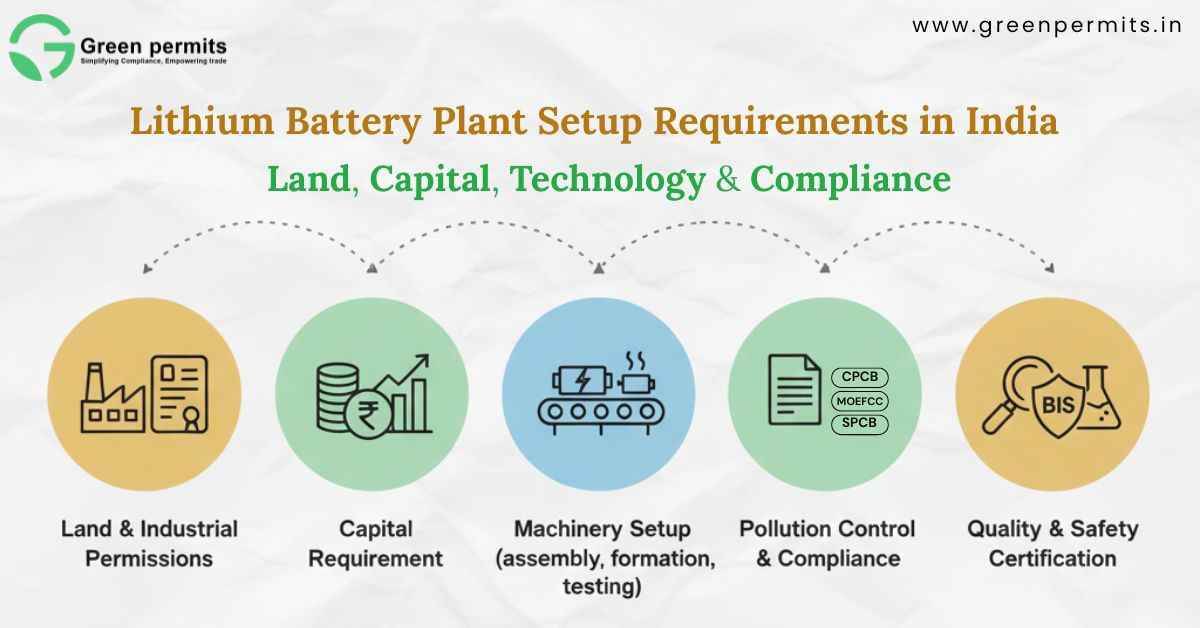
    Lithium battery plant setup requires careful planning of land, plant layout, advanced machinery, safety systems, and skilled manpower. Facilities must meet strict standards related to fire safety, hazardous material handling, and environmental protection. Proper infrastructure planning is essential to ensure operational efficiency and regulatory compliance.

    Regulatory Approvals & Environmental Compliance
    Lithium battery plants must obtain multiple approvals, including Pollution Control Board consents, authorization under Battery Waste Management Rules, factory license, fire safety NOC, and power and water permissions. Compliance with environmental and safety regulations is mandatory to avoid penalties and ensure uninterrupted operations.

    Role of Expert Support in Project Execution
    Given the technical complexity and evolving regulatory framework, expert guidance helps businesses manage approvals, ensure EPR compliance, and streamline project execution from planning to commissioning.

    Green Permits Consulting LLC provides end-to-end support for lithium battery plant setup in India, covering regulatory approvals, compliance strategy, and ongoing advisory.

    For a detailed overview of lithium battery plant setup requirements in India, visit:

    👉 https://www.greenpermits.in/lithium-battery-plant-setup-requirements-in-india/

    🌐 Website: https://www.greenpermits.in/

    📞 Call: +91 78350 06182

    📧 Email: wecare@greenpermits.in

    Book a Consultation with Green Permits and build a compliant, scalable, and future-ready lithium battery project in India.

    Lithium Battery Plant Setup in India: Requirements, Cost & Market Potential Green Permits With the rapid growth of electric vehicles, renewable energy storage, and clean mobility initiatives, lithium batteries have become a critical component of India’s energy transition. As a result, setting up a lithium battery manufacturing or processing plant in India presents a high-growth industrial opportunity backed by strong policy support. Key Setup Requirements & Infrastructure Lithium battery plant setup requires careful planning of land, plant layout, advanced machinery, safety systems, and skilled manpower. Facilities must meet strict standards related to fire safety, hazardous material handling, and environmental protection. Proper infrastructure planning is essential to ensure operational efficiency and regulatory compliance. Regulatory Approvals & Environmental Compliance Lithium battery plants must obtain multiple approvals, including Pollution Control Board consents, authorization under Battery Waste Management Rules, factory license, fire safety NOC, and power and water permissions. Compliance with environmental and safety regulations is mandatory to avoid penalties and ensure uninterrupted operations. Role of Expert Support in Project Execution Given the technical complexity and evolving regulatory framework, expert guidance helps businesses manage approvals, ensure EPR compliance, and streamline project execution from planning to commissioning. Green Permits Consulting LLC provides end-to-end support for lithium battery plant setup in India, covering regulatory approvals, compliance strategy, and ongoing advisory. For a detailed overview of lithium battery plant setup requirements in India, visit: 👉 https://www.greenpermits.in/lithium-battery-plant-setup-requirements-in-india/ 🌐 Website: https://www.greenpermits.in/ 📞 Call: +91 78350 06182 📧 Email: wecare@greenpermits.in Book a Consultation with Green Permits and build a compliant, scalable, and future-ready lithium battery project in India.
    WWW.GREENPERMITS.IN
    Lithium Battery Plant Setup Requirements in India: Land, Capital, Technology & Compliance - Green Permits
    Land, capital, technology & compliance checklist for lithium battery plant setup in India. Learn approvals, BIS, and EPR rules. Consult Green Permits today.
    0 التعليقات 0 المشاركات 3كيلو بايت مشاهدة 0 معاينة
  • Lithium Battery Plant Setup in India: Requirements, Cost & Market Potential
    Green Permits
    With the rapid growth of electric vehicles, renewable energy storage, and clean mobility initiatives, lithium batteries have become a critical component of India’s energy transition. As a result, setting up a lithium battery manufacturing or processing plant in India presents a high-growth industrial opportunity backed by strong policy support.

    Key Setup Requirements & Infrastructure
    Lithium battery plant setup requires careful planning of land, plant layout, advanced machinery, safety systems, and skilled manpower. Facilities must meet strict standards related to fire safety, hazardous material handling, and environmental protection. Proper infrastructure planning is essential to ensure operational efficiency and regulatory compliance.

    Regulatory Approvals & Environmental Compliance
    Lithium battery plants must obtain multiple approvals, including Pollution Control Board consents, authorization under Battery Waste Management Rules, factory license, fire safety NOC, and power and water permissions. Compliance with environmental and safety regulations is mandatory to avoid penalties and ensure uninterrupted operations.

    Role of Expert Support in Project Execution
    Given the technical complexity and evolving regulatory framework, expert guidance helps businesses manage approvals, ensure EPR compliance, and streamline project execution from planning to commissioning.

    Green Permits Consulting LLC provides end-to-end support for lithium battery plant setup in India, covering regulatory approvals, compliance strategy, and ongoing advisory.

    For a detailed overview of lithium battery plant setup requirements in India, visit:

    👉 https://www.greenpermits.in/lithium-battery-plant-setup-requirements-in-india/

    🌐 Website: https://www.greenpermits.in/

    📞 Call: +91 78350 06182

    📧 Email: wecare@greenpermits.in

    Book a Consultation with Green Permits and build a compliant, scalable, and future-ready lithium battery project in India.
    Lithium Battery Plant Setup in India: Requirements, Cost & Market Potential Green Permits With the rapid growth of electric vehicles, renewable energy storage, and clean mobility initiatives, lithium batteries have become a critical component of India’s energy transition. As a result, setting up a lithium battery manufacturing or processing plant in India presents a high-growth industrial opportunity backed by strong policy support. Key Setup Requirements & Infrastructure Lithium battery plant setup requires careful planning of land, plant layout, advanced machinery, safety systems, and skilled manpower. Facilities must meet strict standards related to fire safety, hazardous material handling, and environmental protection. Proper infrastructure planning is essential to ensure operational efficiency and regulatory compliance. Regulatory Approvals & Environmental Compliance Lithium battery plants must obtain multiple approvals, including Pollution Control Board consents, authorization under Battery Waste Management Rules, factory license, fire safety NOC, and power and water permissions. Compliance with environmental and safety regulations is mandatory to avoid penalties and ensure uninterrupted operations. Role of Expert Support in Project Execution Given the technical complexity and evolving regulatory framework, expert guidance helps businesses manage approvals, ensure EPR compliance, and streamline project execution from planning to commissioning. Green Permits Consulting LLC provides end-to-end support for lithium battery plant setup in India, covering regulatory approvals, compliance strategy, and ongoing advisory. For a detailed overview of lithium battery plant setup requirements in India, visit: 👉 https://www.greenpermits.in/lithium-battery-plant-setup-requirements-in-india/ 🌐 Website: https://www.greenpermits.in/ 📞 Call: +91 78350 06182 📧 Email: wecare@greenpermits.in Book a Consultation with Green Permits and build a compliant, scalable, and future-ready lithium battery project in India.
    WWW.GREENPERMITS.IN
    Lithium Battery Plant Setup Requirements in India: Land, Capital, Technology & Compliance - Green Permits
    Land, capital, technology & compliance checklist for lithium battery plant setup in India. Learn approvals, BIS, and EPR rules. Consult Green Permits today.
    0 التعليقات 0 المشاركات 3كيلو بايت مشاهدة 0 معاينة
  • What Factors Increase or Reduce HACCP Certification Fees for Food Units?
    HACCP certification fees for food units can increase or decrease depending on several practical factors . Larger food businesses with complex operations, multiple product lines, or high-risk food categories such as meat, seafood, or ready-to-eat items usually face higher fees because audits take more time and require deeper evaluation. Costs also rise when a business has multiple locations, chooses a premium or internationally accredited certification body, or lacks proper documentation and trained staff, leading to additional audit days and corrective action reviews. On the other hand, HACCP certification fees can be reduced when food units are well-prepared with a clear HACCP plan, trained employees, and strong hygiene and safety systems in place. Limiting the certification scope to relevant processes, using internal training instead of external consultants, and comparing quotes from different certification bodies can also help control costs. Overall, better preparation and simpler operations significantly lower HACCP certification expenses while ensuring compliance and food safety standards.


    Visit Us : https://www.lawfinity.in/services/haccp-certification

    What Factors Increase or Reduce HACCP Certification Fees for Food Units? HACCP certification fees for food units can increase or decrease depending on several practical factors . Larger food businesses with complex operations, multiple product lines, or high-risk food categories such as meat, seafood, or ready-to-eat items usually face higher fees because audits take more time and require deeper evaluation. Costs also rise when a business has multiple locations, chooses a premium or internationally accredited certification body, or lacks proper documentation and trained staff, leading to additional audit days and corrective action reviews. On the other hand, HACCP certification fees can be reduced when food units are well-prepared with a clear HACCP plan, trained employees, and strong hygiene and safety systems in place. Limiting the certification scope to relevant processes, using internal training instead of external consultants, and comparing quotes from different certification bodies can also help control costs. Overall, better preparation and simpler operations significantly lower HACCP certification expenses while ensuring compliance and food safety standards. Visit Us : https://www.lawfinity.in/services/haccp-certification
    Love
    1
    0 التعليقات 0 المشاركات 2كيلو بايت مشاهدة 0 معاينة
  • The future of mobility is being shaped today by engineers who blend technical expertise with forward-thinking innovation. At NAMTECH, our Automotive Engineering Master’s programs empower learners to become catalysts in this fast-evolving sector—where electric mobility, autonomous systems, smart connectivity, and sustainable design are redefining transportation.

    By integrating advanced engineering concepts with hands-on industry exposure, NAMTECH prepares professionals to tackle real-world challenges in next-generation mobility. From developing efficient EV powertrains to optimizing vehicle intelligence and safety systems, learners gain the skills needed to contribute meaningfully to cutting-edge automotive advancements.

    With a curriculum aligned to global industry needs, world-class facilities, and interdisciplinary learning, NAMTECH’s Automotive Engineering programs enable future engineers to drive breakthrough innovation and transform how the world moves.

    #AutomotiveEngineeringMastersPrograms

    https://namtechinstitute.wordpress.com/2025/11/27/how-automotive-engineering-masters-programs-drive-innovation-in-mobility/
    The future of mobility is being shaped today by engineers who blend technical expertise with forward-thinking innovation. At NAMTECH, our Automotive Engineering Master’s programs empower learners to become catalysts in this fast-evolving sector—where electric mobility, autonomous systems, smart connectivity, and sustainable design are redefining transportation. By integrating advanced engineering concepts with hands-on industry exposure, NAMTECH prepares professionals to tackle real-world challenges in next-generation mobility. From developing efficient EV powertrains to optimizing vehicle intelligence and safety systems, learners gain the skills needed to contribute meaningfully to cutting-edge automotive advancements. With a curriculum aligned to global industry needs, world-class facilities, and interdisciplinary learning, NAMTECH’s Automotive Engineering programs enable future engineers to drive breakthrough innovation and transform how the world moves. #AutomotiveEngineeringMastersPrograms https://namtechinstitute.wordpress.com/2025/11/27/how-automotive-engineering-masters-programs-drive-innovation-in-mobility/
    NAMTECHINSTITUTE.WORDPRESS.COM
    How Automotive Engineering Master’s Programs Drive Innovation in Mobility
    In recent times, automotive engineering has led the technological advancement and is looking to manufacture safe, efficient, and sustainable vehicles. The automotive industry is reshaping the mobil…
    0 التعليقات 0 المشاركات 3كيلو بايت مشاهدة 0 معاينة
  • Buy Smarter with Professional Used Vehicle Inspections.

    When shopping for a pre-owned car, getting reliable vehicle inspections perth is the key to avoiding costly mistakes. Our skilled technicians provide a complete check of the engine, brakes, suspension, and safety systems to ensure the vehicle meets your expectations. With the convenience of a mobile auto mechanic, you receive expert inspection services right at your location. Drive away with confidence, knowing that your investment is protected by a thorough and professional evaluation every time.
    Buy Smarter with Professional Used Vehicle Inspections. When shopping for a pre-owned car, getting reliable vehicle inspections perth is the key to avoiding costly mistakes. Our skilled technicians provide a complete check of the engine, brakes, suspension, and safety systems to ensure the vehicle meets your expectations. With the convenience of a mobile auto mechanic, you receive expert inspection services right at your location. Drive away with confidence, knowing that your investment is protected by a thorough and professional evaluation every time.
    WWW.MOBILEMECHANICINPERTH.COM.AU
    Mobile Vehicle Inspections Perth | Mobile Auto Inspection
    We provide the best mobile pre purchase inspection and mobile used car inspection in Perth. Mobile auto inspection service will provide a complete report of a car. Contact us now!
    0 التعليقات 0 المشاركات 1كيلو بايت مشاهدة 0 معاينة
  • Automotive Component Manufacturing Company with Next-Gen Solutions for Future Mobility

    If you are searching for quality and innovation, an Automotive Component Manufacturing Company in India offers advanced solutions for EVs, safety systems, and fuel-efficient designs, driving the shift toward smarter, cleaner, and future-ready mobility in global auto markets.

    https://www.prlog.org/13089200-automotive-component-manufacturing-company-with-next-gen-solutions-for-future-mobility.html
    Automotive Component Manufacturing Company with Next-Gen Solutions for Future Mobility If you are searching for quality and innovation, an Automotive Component Manufacturing Company in India offers advanced solutions for EVs, safety systems, and fuel-efficient designs, driving the shift toward smarter, cleaner, and future-ready mobility in global auto markets. https://www.prlog.org/13089200-automotive-component-manufacturing-company-with-next-gen-solutions-for-future-mobility.html
    WWW.PRLOG.ORG
    Automotive Component Manufacturing Company with Next-Gen Solutions for Future Mobility
    Automotive Component Manufacturing Company with Next-Gen Solutions for Future Mobility. Rockman Advance Composites, a front-runner in high-performance automotive component manufacturing, has set a new benchmark by rolling out its most advanced line of next-generation composite solutions—marking a significant leap toward the future of... - PR13089200
    0 التعليقات 0 المشاركات 802 مشاهدة 0 معاينة
Myliveroom — Live Events & Online Communities https://myliveroom.com