


 Ban & Monetization Policy
 MyLiveRoom Rewards Program Rules & Eligibility
How Cloud Hosting Transforms Healthcare Operations While Supporting Secure Digital Care
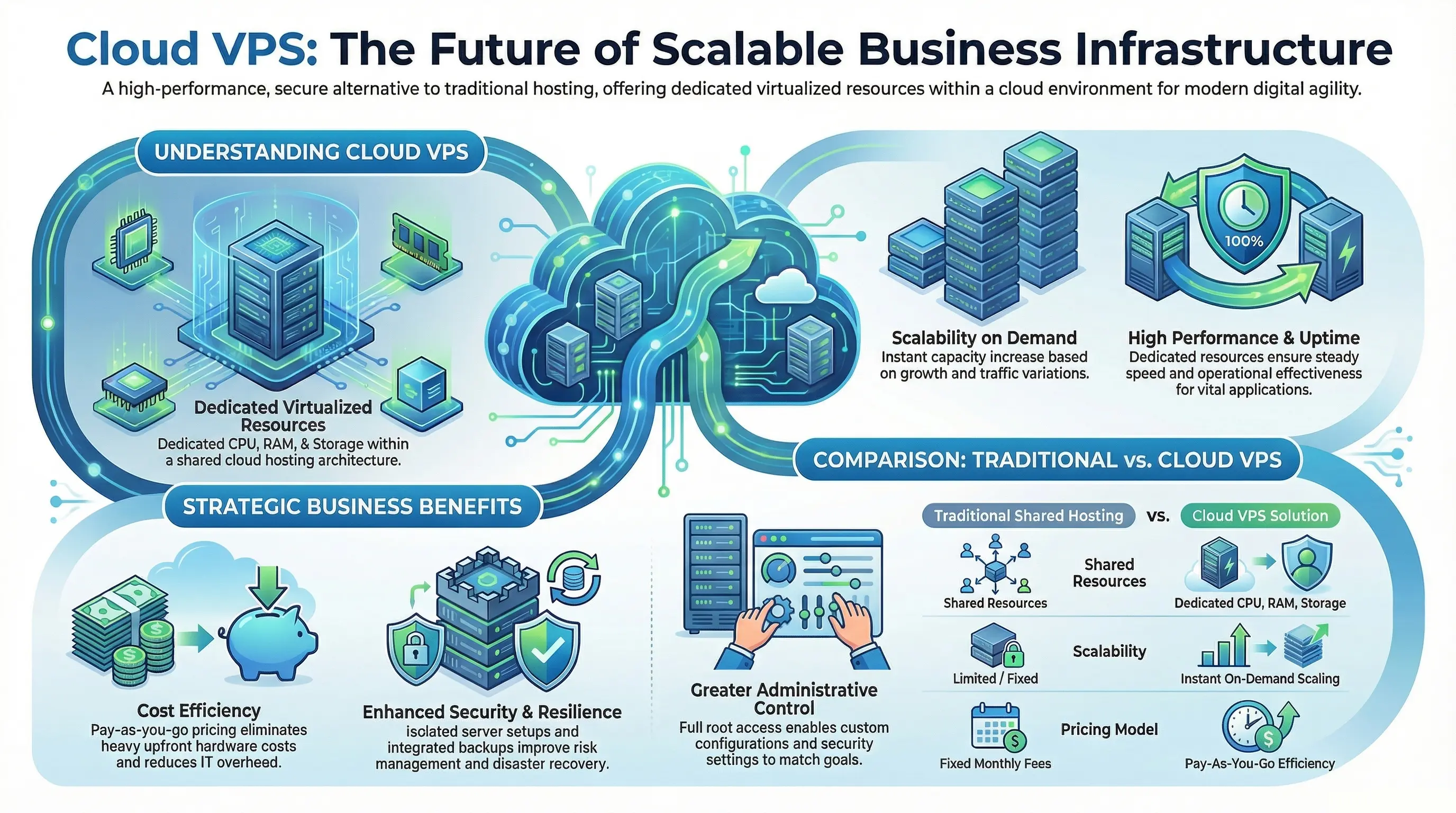
Healthcare organizations face increasing pressure to manage growing volumes of patient data, support remote healthcare services, maintain regulatory compliance, and improve operational efficiency. Traditional on premises infrastructure often struggles to keep pace with these demands, creating challenges related to scalability, system availability, and cybersecurity.
Cloud hosting has emerged as a strategic solution that enables healthcare providers, hospitals, clinics, diagnostic centers, and healthcare technology companies to modernize their IT infrastructure. By leveraging secure cloud environments, healthcare organizations can access critical applications, store electronic health records, improve collaboration, and ensure continuous service availability.
As healthcare continues its digital transformation journey, organizations are increasingly adopting cloud-based platforms to support telemedicine, patient engagement applications, medical imaging systems, and data analytics initiatives. The flexibility and resilience offered by cloud technologies make them a valuable component of modern healthcare operations.
What Makes Cloud Hosting Valuable for Healthcare Providers?
Healthcare institutions handle sensitive patient information that requires high levels of protection, accessibility, and compliance. Modern cloud hosting environments provide robust infrastructure designed to support these requirements while reducing the complexity of managing physical servers.
Healthcare organizations can benefit from:
- Enhanced scalability for fluctuating patient demands
- Improved disaster recovery capabilities
- Faster deployment of healthcare applications
- Better collaboration among healthcare professionals
- Reduced infrastructure management burden
- Improved accessibility across locations
- Increased system reliability and uptime
These benefits allow healthcare providers to focus more on patient outcomes and less on maintaining complex IT infrastructure.
How Does Cloud Hosting Improve Healthcare Data Security?
Security remains one of the most important concerns in healthcare technology. Healthcare organizations manage confidential patient records, billing information, insurance data, diagnostic reports, and treatment histories.
Modern cloud hosting solutions provide advanced security features that often exceed what many organizations can implement internally.
Cloud Hosting Security Features for Healthcare
Healthcare organizations gain access to multiple layers of protection, including:
Advanced Data Encryption
Patient information is protected both during transmission and while stored within cloud environments. Encryption helps prevent unauthorized access and reduces risks associated with data breaches.
Identity and Access Management
Healthcare administrators can control who accesses specific systems and patient records. Role based access controls help ensure that staff members only access information relevant to their responsibilities.
Continuous Security Monitoring
Cloud environments provide ongoing monitoring and threat detection capabilities. Security teams can identify suspicious activities before they develop into significant incidents.
Automated Security Updates
Cloud providers regularly deploy patches and updates to address emerging vulnerabilities. This helps healthcare organizations maintain stronger security postures without extensive internal resource requirements.
How Does Cloud Hosting Support Regulatory Compliance in Healthcare?
Healthcare organizations operate within a highly regulated environment where compliance requirements continue to evolve. Maintaining compliance can be complex when managing traditional infrastructure.
Cloud hosting platforms can support compliance initiatives through built in controls, audit capabilities, and secure data management practices.
Key compliance support benefits include:
- Detailed audit trails
- Data retention management
- Access logging and monitoring
- Backup and recovery controls
- Security policy enforcement
- Risk management support
These capabilities help healthcare organizations demonstrate accountability and maintain compliance with applicable industry regulations and standards.
Why Are Cloud Consulting Services Important for Healthcare Cloud Adoption?
While cloud technology offers significant advantages, successful implementation requires careful planning and execution. Healthcare environments contain complex systems that must integrate seamlessly without disrupting patient care.
This is where cloud consulting services become valuable.
Healthcare organizations often rely on experienced consultants to assess infrastructure, identify migration opportunities, develop cloud strategies, and implement secure environments tailored to healthcare requirements.
How Cloud Consulting Services Help Healthcare Organizations
Infrastructure Assessment
Consultants evaluate existing systems, applications, and workflows to determine the most effective cloud strategy.
Migration Planning
Healthcare organizations can develop structured migration roadmaps that minimize operational disruption and maintain business continuity.
Security and Compliance Strategy
Specialists help design secure cloud architectures aligned with healthcare security requirements and compliance objectives.
Application Modernization
Legacy healthcare applications may require optimization before migration. Consulting teams assist organizations in improving application performance and cloud readiness.
Cost Optimization
Healthcare organizations can identify opportunities to reduce infrastructure expenses while maximizing cloud performance and resource utilization.
By leveraging cloud consulting services, healthcare providers can accelerate adoption while minimizing implementation risks.
How Does Cloud Hosting Support Telehealth and Remote Care?
Telehealth has become an important component of modern healthcare delivery. Patients increasingly expect convenient access to healthcare services regardless of location.
Reliable cloud hosting infrastructure supports telehealth platforms by providing:
- High availability environments
- Secure video consultation capabilities
- Real time patient data access
- Remote monitoring support
- Scalable patient engagement platforms
- Integrated communication systems
Healthcare providers can deliver consistent patient experiences while maintaining secure access to medical information.
As telehealth usage continues to grow, cloud infrastructure plays a critical role in supporting remote healthcare initiatives.
Can Cloud Hosting Improve Healthcare Data Management?
Healthcare organizations generate massive volumes of information every day. Electronic health records, diagnostic imaging, laboratory results, wearable device data, and operational information require efficient storage and management.
Benefits of Cloud Based Healthcare Data Management
Centralized Data Access
Healthcare professionals can access relevant information from multiple locations, improving collaboration and care coordination.
Scalable Storage Capacity
Cloud environments can expand storage resources as healthcare data volumes increase.
Improved Data Analytics
Organizations can leverage cloud-based analytics platforms to identify trends, improve decision making, and enhance patient outcomes.
Faster Information Retrieval
Healthcare teams can quickly locate and access patient information when needed.
These capabilities contribute to better operational efficiency and more informed clinical decisions.
Why Is Business Continuity Critical in Healthcare Cloud Environments?
Healthcare services cannot afford prolonged system downtime. Delays in accessing patient information can impact clinical operations and patient care.
Cloud hosting solutions strengthen business continuity through redundant infrastructure and disaster recovery capabilities.
Business Continuity Advantages
Automated Backups
Critical healthcare information can be backed up regularly to reduce data loss risks.
Geographic Redundancy
Data and applications can be replicated across multiple locations to improve resilience.
Rapid Recovery Capabilities
Healthcare organizations can restore services quickly following disruptions.
High Availability Infrastructure
Cloud platforms are designed to minimize downtime and support continuous healthcare operations.
These capabilities help healthcare providers maintain service availability even during unexpected events.
How Does Cloud Hosting Support Healthcare Growth and Innovation?
Healthcare organizations continue to adopt emerging technologies such as artificial intelligence, machine learning, predictive analytics, and Internet of Medical Things solutions.
Traditional infrastructure often lacks the flexibility needed to support these innovations at scale.
Cloud hosting provides the foundation required to:
- Deploy advanced healthcare applications
- Analyze large healthcare datasets
- Support research initiatives
- Integrate connected medical devices
- Enable population health management
- Improve operational efficiency
Organizations can innovate more rapidly without significant infrastructure investments.
What Should Healthcare Organizations Consider Before Migrating to the Cloud?
Successful cloud adoption requires a strategic approach that aligns technology initiatives with organizational objectives.
Healthcare leaders should evaluate:
Existing Infrastructure
Understanding current systems helps determine migration priorities and potential challenges.
Security Requirements
Organizations must establish clear security policies and governance frameworks.
Compliance Objectives
Regulatory obligations should be incorporated into cloud planning from the beginning.
Application Dependencies
Critical healthcare applications may require specialized migration strategies.
Long Term Scalability
Cloud environments should support future growth and evolving healthcare needs.
Partnering with experienced providers of cloud consulting services can help healthcare organizations navigate these considerations effectively.
Why Cloud Hosting Is Shaping the Future of Healthcare
Healthcare organizations are increasingly recognizing the value of secure, scalable, and resilient technology infrastructure. Cloud hosting enables providers to improve operational efficiency, strengthen security, support compliance efforts, and enhance patient care experiences.
As digital healthcare continues to evolve, organizations that invest in modern cloud infrastructure position themselves to adapt more effectively to changing patient expectations, emerging technologies, and industry requirements. Combined with expert cloud consulting services, healthcare providers can develop cloud strategies that support long term growth, innovation, and improved healthcare outcomes.
Organizations seeking to modernize healthcare operations are finding that cloud adoption is no longer simply an IT initiative. It has become a strategic foundation for delivering high quality, data driven, and patient focused healthcare services.
 Romaian
 English
 Arabic
 French
 Spanish
 Portuguese
 Deutsch
 Turkish
 Dutch
Dutch
 Italiano
 Russian
 Portuguese (Brazil)
 Greek
Greek
