


 Ban & Monetization Policy
 MyLiveRoom Rewards Program Rules & Eligibility
Taj Mahal Night Viewing Rules: Entry Guidelines, Security Checks & Visitor Restrictions
Introduction
Taj Mahal night viewing rules are stricter and more specific than the daytime visitor guidelines most travelers are familiar with. Night access is limited to a handful of dates each month, runs on a fixed batch system, and involves security checks that go beyond a standard entry. Understanding these rules in advance, from permitted items to entry timings, makes the difference between a smooth visit and a frustrating one at the checkpoint.
What Is Taj Mahal Night Viewing?
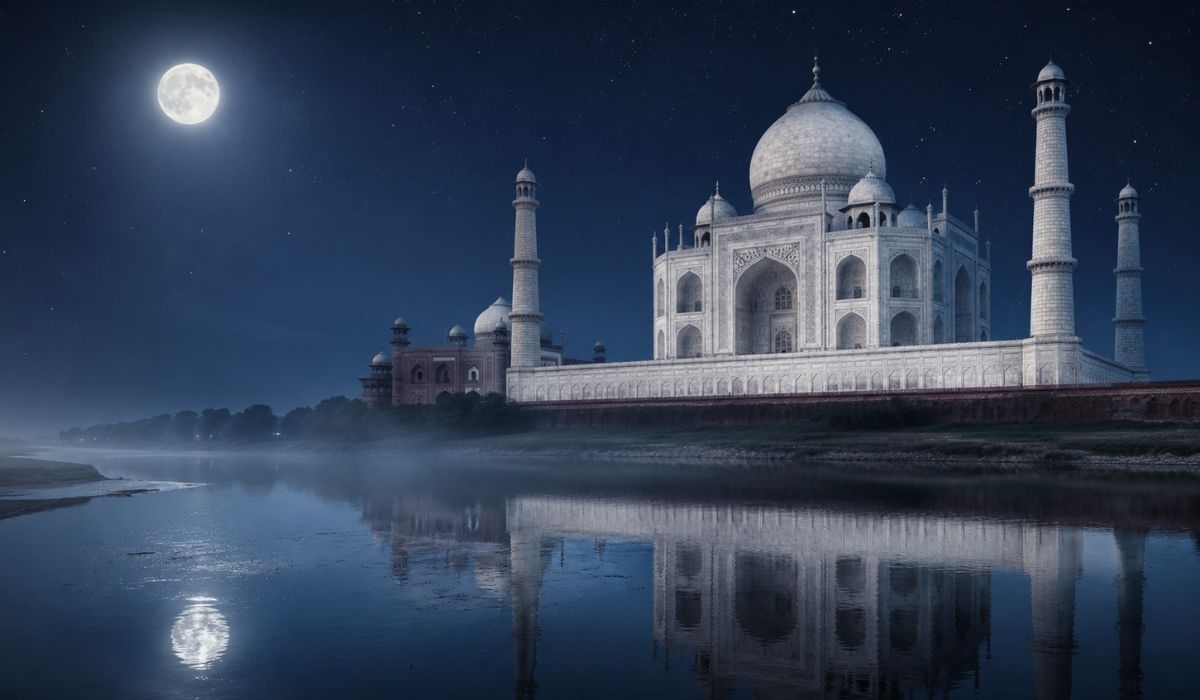
Taj Mahal night viewing is a regulated visit that allows travelers to see the monument under natural moonlight on select nights tied to the lunar calendar. It has operated since November 2004 under a Supreme Court of India order, with the Archaeological Survey of India (ASI) managing access, batch sizes, and entry procedures. Unlike a daytime visit, it does not include entry into the mausoleum or the surrounding gardens.
Official Entry Rules
Entry for night viewing follows a separate process from the regular daytime ticket system, with its own checkpoint, timing, and identity verification requirements.
- Night viewing is available only on five nights each lunar month: the full moon night, two nights before, and two nights after.
- It does not operate on Fridays or during the holy month of Ramzan.
- Visitors report to the check-in point near the Eastern Gate ahead of their assigned batch time, since late arrival typically forfeits the slot.
- Tickets are name-specific and non-transferable, so the ID used at booking must match the ID carried on the visit.
For travelers who want the full breakdown of eligible dates and the permit process, the Moonlight Taj Mahal Tour Guide covers how to calculate which nights apply in a given month.
Security Screening Process
Security screening for night viewing is more thorough than the daytime checkpoint, given the smaller, more controlled visitor flow. Expect ID verification against the ticket, a bag check, and metal detection before being moved toward the viewing platform. Visitors are typically transported in small groups rather than allowed to walk through independently, which keeps the screening process tightly sequenced with the batch schedule.
Arriving with minimal belongings speeds up this process considerably. Carrying unnecessary items is one of the most common reasons visitors get held up at the checkpoint during night viewing hours.
Items Allowed and Prohibited
The prohibited items list for night viewing is longer than the daytime list, since several items normally permitted during the day are restricted specifically for night sessions.
Generally prohibited:
- Food, tobacco, and liquor
- Tripods, drones, and video cameras
- Headphones, chargers, and other electronic accessories
- Sharp objects, including knives
- Mobile phones, in addition to the standard restricted items
Generally allowed:
- A valid photo ID or passport matching the ticket
- A still camera, cleared after security screening
For a complete breakdown of what to pack and what to leave behind, the Taj Mahal full moon viewing guide lists the full set of restrictions by category.
Photography Restrictions
Photography is allowed during night viewing, but only with a still camera cleared at the security checkpoint. Video cameras, tripods, drones, and flash photography are not permitted, since they can disturb the viewing experience for other visitors and raise security concerns near the monument. A simple handheld still camera setup remains the most practical way to capture the moonlit view within these limits.
Common Visitor Mistakes
Several recurring mistakes catch first-time visitors off guard during night viewing:
- Arriving without the exact ID used at booking. Since tickets are name-specific, mismatched identification is one of the most common reasons for denied entry.
- Carrying mobile phones or chargers to the checkpoint. These items are restricted for night viewing even though they are typically allowed during the day.
- Misjudging the eligible dates. Because the schedule follows the lunar calendar and excludes Fridays and Ramzan, travelers sometimes plan a trip around a date that turns out to be ineligible.
- Expecting close-up access. Night viewing is from a distant platform, not the marble platform or interior used during the day, so expectations should be set accordingly.
- Leaving booking until the last minute. Permits are issued close to the travel date with limited nightly capacity, so waiting too long can mean missing the window entirely. Booking through a Moonlight Taj Mahal Tour package removes most of this planning risk, since the date tracking and permit coordination are handled in advance.
Night Viewing vs Day Visit Rules
Night viewing and daytime visits operate under noticeably different rule sets, even though both take place at the same monument.
| Rule | Night Viewing | Day Visit |
|---|---|---|
| Available Dates | 5 nights/month | Daily, except Friday |
| Entry Area | Designated viewing platform | Entire complex, including mausoleum |
| Mobile Phones | Not allowed | Allowed |
| Photography | Still cameras only | Standard, with mausoleum restrictions |
| Duration | Around 30 minutes per batch | Flexible |
| Booking Window | Close to the travel date | Can be booked well in advance |
For the full context behind these differences, including how the batch system and lunar dates work together, the complete Moonlight Taj Mahal visitor guide breaks down each rule in detail.
FAQs
Are mobile phones really not allowed during night viewing? Correct. Mobile phones are restricted for night viewing sessions specifically, even though they are permitted during a standard daytime visit.
Can visitors bring their own tripod for night photography? No. Tripods, along with video cameras and drones, are not permitted during night viewing.
Is ID required even for visitors who already have a ticket? Yes. Tickets are name-specific, and ID is checked against the ticket at the security checkpoint.
Do the same rules apply to foreign and domestic visitors? The entry rules, security screening, and prohibited items list apply equally to all visitors, regardless of nationality.
What happens if a visitor arrives late for their batch? Late arrival typically means forfeiting the assigned slot, since the batch system runs on a fixed schedule with no provision for delayed entry.
Conclusion
Taj Mahal night viewing rules cover everything from eligible dates and ID verification to a stricter prohibited items list and limited photography allowances. Knowing these rules before arriving at the checkpoint avoids the most common visitor mistakes and makes for a smoother night at the monument. Travelers who want help navigating the dates, permits, and entry logistics can rely on a guided tour to manage the process from start to finish.
 Russian
 English
 Arabic
 French
 Spanish
 Portuguese
 Deutsch
 Turkish
 Dutch
Dutch
 Italiano
 Romaian
 Portuguese (Brazil)
 Greek
Greek
