


 Ban & Monetization Policy
 MyLiveRoom Rewards Program Rules & Eligibility
How Much Is Invisalign: Cost Breakdown, Factors, and What to Expect
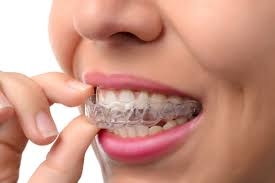
When considering orthodontic treatment, one of the most common questions is How Much Is Invisalign? In most cases, Invisalign costs between $3,000 and $8,000, depending on the complexity of your dental alignment needs, treatment duration, and provider experience. Simpler cases may cost less, while more advanced corrections can exceed this range. The total investment typically includes aligners, checkups, and treatment planning, making Invisalign a popular choice for adults seeking a discreet way to straighten their teeth.
This post breaks down the key factors that affect your final price—treatment complexity, provider experience, location, and whether insurance or payment plans can help—so you can compare Invisalign to braces and other options with confidence. Keep reading to learn which costs apply to your situation and how to make the treatment more affordable.
Key Factors That Impact Invisalign Prices
Several concrete variables determine what you’ll pay: how complex your tooth movements are, how long treatment takes, and where you live. Each factor changes the number of aligners, specialist involvement, and overhead costs that shape the final price.
Treatment Complexity
Complex cases require more planning, adjunctive procedures, and often refinements. If you have severe crowding, large bite corrections, or need tooth reshaping and attachments, your provider will create a longer, more detailed digital treatment plan and order more stages of aligners. That increases lab fees and chair time.
Simple mild spacing or relapse cases might need 10–15 aligners and limited monitoring. Moderate-to-severe cases can need 30+ aligners, interproximal reduction (IPR), elastics, or temporary anchorage devices — each adds material and appointment costs. Ask your provider for a breakdown: initial scan, aligner set count, refinement allowance, and any expected auxiliary procedures.
Length of Treatment
Longer treatment equals higher costs in two main ways. First, more aligner sets usually mean higher lab and manufacturing charges. Second, extended care increases professional time — more monitoring visits, mid-treatment adjustments, and potential refinements.
Typical adult Invisalign treatments run 6–18 months. Short courses (3–6 months) for minor cosmetic changes reduce costs because they require fewer aligners and fewer visits. Treatments stretching beyond 18 months often involve complex mechanics or sequential refinements and therefore raise the total price. Confirm whether your quoted price includes unlimited refinements or charges per refinement.
Geographic Location
Where you get treatment affects price through local overhead and market rates. Urban areas with higher rents and specialist demand typically charge more than smaller towns. For example, clinics in major metropolitan centers often have higher per-visit fees and lab markups than suburban or rural practices.
Provincial or state variations matter too: average dental fee guides and insurance coverage differ regionally. Travel costs and the convenience of frequent visits can also influence whether you choose a nearer, possibly pricier provider versus a lower-cost option farther away. Compare several local providers and request full cost estimates that list scan fees, aligner counts, and included follow-ups.
Comparing Invisalign With Other Teeth Straightening Options
Invisalign, braces, and at-home aligners differ in cost, oversight, and treatment scope. You’ll pay more for dentist- or orthodontist-supervised care and get closer clinical monitoring; cheaper remote options reduce visits but limit complex tooth movement.
Traditional Braces vs Invisalign
Traditional metal braces typically cost between $3,000 and $7,000, depending on case complexity and appliance type. They work well for severe rotations, large bite corrections, and teeth that need precise root movement because the wires and brackets give your orthodontist fine control.
Invisalign usually falls in a similar range—about $3,000 to $8,000 nationally—but costs depend on provider, number of aligners, and extras like attachments or refinements. Invisalign aligners are removable, which helps with hygiene and eating, and you’ll generally need fewer emergency visits for broken brackets. However, Invisalign can require attachments and strict wear time (usually 20–22 hours/day) to match braces for complex cases.
At-Home Aligners Costs
At-home clear aligner services often cost $1,000 to $2,500 and use remote monitoring with periodic photos or occasional teledentistry check-ins. Brands vary: some include an initial in-person scan or dentist supervision; others rely solely on impressions or mail-in scans.
You save money but accept limits: at-home systems suit mild to moderate crowding or spacing. If your case needs tooth extraction, complex bite changes, or significant root torque, an in-person orthodontist is safer. Check whether the service offers follow-up retainers and what happens if corrections are incomplete—those factors affect total cost and outcome.
 Italiano
 English
 Arabic
 French
 Spanish
 Portuguese
 Deutsch
 Turkish
 Dutch
Dutch
 Russian
 Romaian
 Portuguese (Brazil)
 Greek
Greek
