


 Ban & Monetization Policy
 MyLiveRoom Rewards Program Rules & Eligibility
Why HongJiavalve Engineers Both Connection Types for Its Angle Valve Series
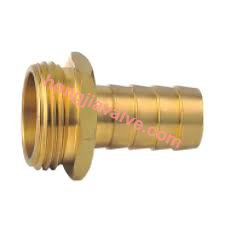
Plumbing installations frequently present installers with a fundamental choice: compression fit or threaded connection for each angle valve placement. This decision affects installation speed, leak resistance, and future serviceability. Compression fittings rely on a ferrule that compresses against the pipe when tightened, creating a seal without pipe threading. Threaded connections engage matching male and female threads with sealant or tape, producing a mechanical joint that withstands vibration and pressure fluctuations. Hongjiavalve manufactures both connection configurations within its comprehensive valve series, recognizing that each method serves specific installation environments. Could the connection type you choose ultimately determine your system's long-term reliability?
Compression connections offer distinct advantages in confined spaces. The installation process requires no pipe threading equipment, making it suitable for tight under-sink cabinets where threading tools cannot maneuver. The fitting slides over the pipe end, with the compression nut drawing the ferrule against the pipe surface as tightening occurs. This action forms a seal without altering the pipe's structural integrity. Hongjiavalve compression-type angle valves feature precision-machined ferrules that create consistent seals across repeated installations, reducing the learning curve for new installers.
Threaded connections provide superior mechanical strength for high-pressure systems. The interlocking threads distribute clamping forces evenly around the pipe circumference, resisting loosening from thermal cycling or water hammer. Threaded joints allow disassembly and reassembly without component replacement, unlike compression fittings whose ferrules may deform permanently during initial tightening. The hongjiavalve threaded angle valves incorporate rolled threads that maintain dimensional consistency, ensuring proper engagement with standard pipe threads across multiple installation cycles.
Installation time differs significantly between these connection methods. Compression fittings install rapidly, requiring only two wrench operations: tightening the compression nut and securing the valve body. Threaded connections demand careful thread preparation, including wrapping with PTFE tape or applying pipe sealant, followed by progressive tightening to achieve proper alignment. The hongjiavalve engineering team has observed that compression connections reduce average installation duration, benefiting projects with numerous valve placements where time efficiency matters.
Leak resistance mechanisms operate differently across connection types. Compression seals depend on the ferrule's deformation against the pipe, creating a metal-to-metal seal that maintains integrity through temperature changes. Threaded seals rely on sealant filling the helical gap between threads, requiring proper compound selection for the operating medium. The hongjiavalve compression design incorporates a captive ferrule that cannot overtighten, preventing the pipe distortion that sometimes causes leakage. Threaded models feature precision-thread profiles that maximize sealant retention while minimizing cross-threading risks.
Maintenance accessibility distinguishes these connection methods during service operations. Compression fittings permit valve replacement without disturbing upstream piping, as the compression nut releases the ferrule for valve removal. Threaded connections require unthreading the entire valve, potentially disturbing adjacent pipe joints if proper union fittings are not installed. The hongjiavalve range includes service-friendly compression configurations that simplify routine maintenance, reducing downtime during emergency repairs or scheduled component changes.
Material compatibility influences connection selection for specific piping systems. Copper tubing accepts both connection types, with compression fittings being particularly common. Steel or brass pipes require threading for mechanical connections, making threaded valves the natural choice. The hongjiavalve product line accommodates both copper and threaded pipe installations, offering appropriate connection styles for each plumbing material. This versatility ensures that installers maintain consistent valve quality regardless of the underlying pipe specification.
Environmental factors affect long-term connection performance. Vibration from pumps or nearby equipment can loosen threaded connections over time, while compression fittings maintain their grip through ferrule spring action. Temperature fluctuations cause differential expansion between valve and pipe materials, potentially stressing threaded joints. The hongjiavalve engineering addresses these variables through material selection and connection design, ensuring both types perform reliably across typical operating conditions.
System pressure ratings may influence connection choice for demanding applications. Threaded connections generally handle higher pressures because the mechanical interlock distributes forces across multiple thread flanks. Compression fittings have pressure limitations based on ferrule grip strength and pipe wall thickness. The hongjiavalve series includes pressure-rated options for each connection type, allowing specifiers to match valve performance to system requirements. Consulting the technical documentation ensures selected valves meet or exceed application pressure demands.
https://www.hongjiavalve.com/product/angle-valve-series/ This product overview presents the full range of connection options available within the hongjiavalve lineup, enabling buyers to compare specifications and select appropriate configurations for their specific projects. The technical resources provided assist in matching connection types to installation conditions, reducing uncertainty during procurement decisions. By understanding the distinct characteristics of compression and threaded angle valves, installers can select the most suitable variant for each plumbing application. Does your current valve inventory include both connection types to address diverse installation requirements?
 Italiano
 English
 Arabic
 French
 Spanish
 Portuguese
 Deutsch
 Turkish
 Dutch
Dutch
 Russian
 Romaian
 Portuguese (Brazil)
 Greek
Greek
