


 Ban & Monetization Policy
 MyLiveRoom Rewards Program Rules & Eligibility
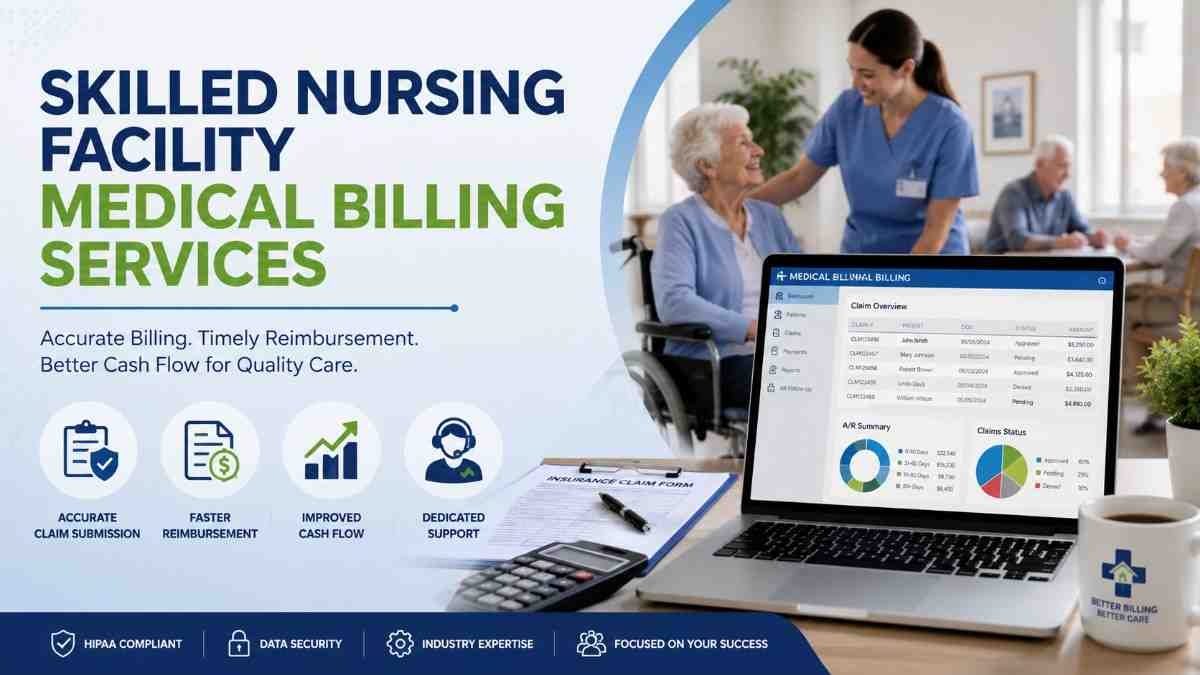
Skilled Nursing Billing: A Complete Guide to Accurate Reimbursement and Compliance
Introduction
In today’s healthcare revenue cycle, skilled nursing billing plays a critical role in ensuring that skilled nursing facilities (SNFs) receive proper reimbursement for the care they provide. With increasing regulatory requirements, complex documentation rules, and frequent payer updates, billing in this segment has become more challenging than ever.
Skilled nursing facilities handle patients who require ongoing medical attention, rehabilitation, or post-acute care. Because of the intensity of services involved, even a small billing error can lead to claim denials, delayed payments, or compliance risks. That’s why understanding the fundamentals of skilled nursing billing is essential for administrators, coders, and billing teams.
This blog breaks down how skilled nursing billing works, the challenges involved, and best practices to improve accuracy and cash flow.
What is Skilled Nursing Billing and Why It Matters
Skilled nursing billing refers to the process of submitting and managing insurance claims for services provided in a skilled nursing facility. These services are typically covered by Medicare Part A, Medicaid, or private insurance depending on eligibility and medical necessity.
Skilled nursing care includes services such as:
- Physical, occupational, and speech therapy
- Wound care management
- Intravenous (IV) therapy
- Post-surgical recovery care
- Chronic condition monitoring
Billing for these services is not straightforward. It requires detailed documentation of patient conditions, treatment plans, and progress notes to justify medical necessity.
One of the key reasons skilled nursing billing is so important is reimbursement accuracy. Facilities rely heavily on timely payments to maintain operations, pay staff, and deliver quality patient care. Inaccurate billing can directly affect financial stability.
Moreover, regulatory compliance is strict in this area. Medicare guidelines, PDPM (Patient-Driven Payment Model), and state-level rules must all be followed carefully. A strong billing system ensures compliance while maximizing reimbursement opportunities.
Common Challenges in Skilled Nursing Billing
Even experienced billing teams face difficulties in skilled nursing billing due to its complex structure. Some of the most common challenges include:
1. Complex Documentation Requirements
Every billed service must be supported by detailed clinical documentation. Missing or incomplete records often lead to claim denials. For example, therapy minutes, patient assessments, and physician certifications must be accurately recorded.
2. Frequent Regulatory Changes
Healthcare billing rules change regularly, especially under Medicare and Medicaid programs. Updates to PDPM classifications or coding guidelines can significantly impact reimbursement calculations. Keeping up with these changes is a constant challenge.
3. Claim Denials and Rejections
Denials are common in skilled nursing billing due to errors such as incorrect coding, missing authorizations, or insufficient medical necessity justification. Each denied claim requires additional time and resources to correct and resubmit.
4. Coordination Between Clinical and Billing Teams
Billing accuracy depends on how well clinical staff and billing departments communicate. If therapy notes or nursing documentation are delayed or incomplete, the billing team cannot submit accurate claims on time.
5. Managing Length of Stay and Reimbursement Cycles
Skilled nursing facilities often deal with variable patient stays. Determining the correct reimbursement based on patient condition and length of stay can be complicated, especially under PDPM.
These challenges highlight why skilled nursing billing requires specialized knowledge and consistent monitoring to maintain revenue cycle efficiency.
Key Components of Accurate Skilled Nursing Facility Billing
To ensure smooth operations, skilled nursing billing must follow a structured approach that includes several essential components:
Patient Eligibility Verification
Before services begin, verifying patient eligibility is crucial. This includes checking Medicare Part A coverage, Medicaid eligibility, or private insurance benefits. Incorrect eligibility verification can result in denied claims from the start.
Proper Coding and Classification
Accurate coding is the backbone of skilled nursing billing. ICD-10 codes, CPT codes, and PDPM groupings must reflect the patient’s actual condition and level of care. Even minor coding mistakes can significantly impact reimbursement.
PDPM-Based Reimbursement System
The Patient-Driven Payment Model (PDPM) is the current Medicare system used for skilled nursing facilities. It focuses on patient conditions rather than therapy volume. Understanding PDPM categories such as clinical, therapy, and nursing components is essential for accurate billing.
Timely Claim Submission
Delays in submitting claims can affect cash flow and increase the risk of rejection. A streamlined billing process ensures claims are submitted promptly with all necessary documentation attached.
Denial Management and Follow-Up
Even with accurate billing, denials may still occur. A strong denial management system helps identify the reason, correct errors, and resubmit claims efficiently. Tracking denial patterns also helps improve long-term billing accuracy.
Best Practices to Improve Reimbursement and Reduce Denials
Improving skilled nursing billing efficiency requires a combination of technology, training, and process optimization. Here are some proven best practices:
Strengthen Documentation Processes
Encourage clinical teams to maintain real-time, detailed documentation. Standardized templates can help ensure consistency and completeness across all patient records.
Conduct Regular Staff Training
Billing rules and coding guidelines change frequently. Regular training sessions for both clinical and billing staff help reduce errors and improve compliance.
Use Advanced Billing Software
Automated billing systems can reduce manual errors, improve claim accuracy, and speed up submission processes. Many systems also provide real-time alerts for missing documentation or coding inconsistencies.
Perform Internal Audits
Routine audits help identify gaps in billing processes before claims are submitted. This proactive approach reduces denial rates and improves revenue cycle performance.
Improve Communication Between Departments
Effective collaboration between nursing staff, therapists, and billing teams ensures that all necessary information is captured and submitted correctly.
Focus on Denial Prevention
Instead of only correcting denied claims, facilities should analyze denial trends to prevent recurring issues. This helps improve long-term financial performance.
By implementing these best practices, skilled nursing facilities can significantly improve reimbursement rates and reduce administrative burden.
FAQ on Skilled Nursing Billing
1. What is skilled nursing billing in healthcare?
Skilled nursing billing is the process of submitting insurance claims for medical and rehabilitative services provided in a skilled nursing facility under Medicare, Medicaid, or private insurance.
2. Why is skilled nursing billing so complex?
It involves strict documentation requirements, changing regulations, PDPM-based reimbursement rules, and coordination between clinical and billing teams, making it highly detailed and error-prone.
3. What is PDPM in skilled nursing billing?
PDPM (Patient-Driven Payment Model) is a Medicare reimbursement system that determines payment based on patient clinical condition rather than therapy hours.
4. What are the common reasons for claim denials?
Common reasons include incorrect coding, missing documentation, eligibility issues, lack of medical necessity, and delayed claim submission.
5. How can skilled nursing facilities improve billing accuracy?
Facilities can improve accuracy by using proper documentation practices, training staff regularly, conducting audits, and using automated billing systems.
Conclusion
Skilled nursing billing is a critical function that directly impacts the financial health of skilled nursing facilities. With complex regulations, detailed documentation requirements, and evolving reimbursement models like PDPM, maintaining accuracy is essential for reducing denials and ensuring steady cash flow.
Facilities that invest in proper billing processes, trained staff, and advanced systems can significantly improve revenue cycle performance while maintaining compliance.
For many organizations, partnering with professional Medical Billing Services can be a practical solution to manage complexity, reduce administrative workload, and improve reimbursement efficiency.
 English
 Arabic
 French
 Spanish
 Portuguese
 Deutsch
 Turkish
 Dutch
Dutch
 Italiano
 Russian
 Romaian
 Portuguese (Brazil)
 Greek
Greek
