


 Ban & Monetization Policy
 MyLiveRoom Rewards Program Rules & Eligibility
Breaking Down What Plastic Containers Actually Deliver
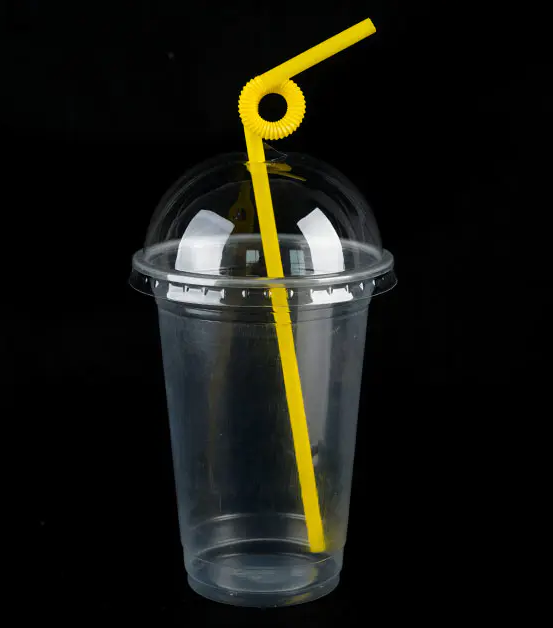
Material selection is where it starts. Different plastic resins behave differently under real-world conditions. HDPE containers handle chemicals and oils without absorbing odors or degrading at the surface. PP containers tolerate temperature swings that would crack thinner materials, making them common in food processing lines where contents shift from hot-fill to cold storage. PET offers clarity and barrier properties suited to beverages and personal care products. Matching the right resin to the application is a core part of how plastic containers earn their reliability.
Seal integrity is not a minor consideration — it's central to whether a container does its job. A well-designed plastic container with a threaded or snap-fit closure creates a barrier that resists leakage during transit, even when stacked or inverted. For liquid products in particular, that seal performance directly affects damage claims, customer satisfaction, and the overall cost of distribution.
Stackability is a logistics consideration that often gets overlooked during initial sourcing. Plastic containers designed with uniform base dimensions and recessed lid geometry allow for dense, stable palletization. When vertical storage space is limited and outbound volume is high, efficient stacking can reduce warehouse footprint meaningfully. It's a feature that shows up in the numbers long after the initial purchase decision.
Batch marking and traceability are increasingly important across regulated categories. Many plastic containers can be molded with lot number cavities or are compatible with direct thermal printing and label adhesion systems. For buyers in food, cosmetics, or pharmaceutical supply chains, this simplifies compliance without requiring secondary packaging modifications.
Customization depth in plastic container manufacturing is considerable. Handle placement, dispensing fitments, tamper-evident bands, and multi-layer construction for barrier performance — these are production-level decisions that shape how a container functions in the field. Buyers willing to engage at the specification stage typically end up with containers that perform better and require fewer substitutions down the line.
 English
 Arabic
 French
 Spanish
 Portuguese
 Deutsch
 Turkish
 Dutch
Dutch
 Italiano
 Russian
 Romaian
 Portuguese (Brazil)
 Greek
Greek
